
Buying guide
Nonwoven fabric resources for buyers
Fourteen guides written for the person who signs the specification: how the processes differ, which parameter decides which property, what the test methods actually measure, and what a supply programme looks like from sample to container.
-
 Spunlace vs spunbond vs SMS: which process fits your product How spunlace, spunbond and SMS differ in structure, cost and performance, and which process suits wipes, hygiene, medical and industrial products. Read more
-
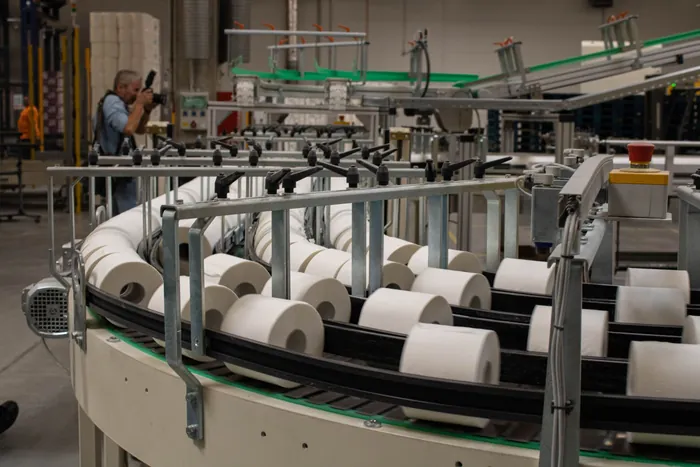 How to specify nonwoven for wet wipes How to specify nonwoven for wet wipes: fibre blend, gsm, web structure, strength wet and dry, lint, and the tests that decide acceptance on your line. Read more
-
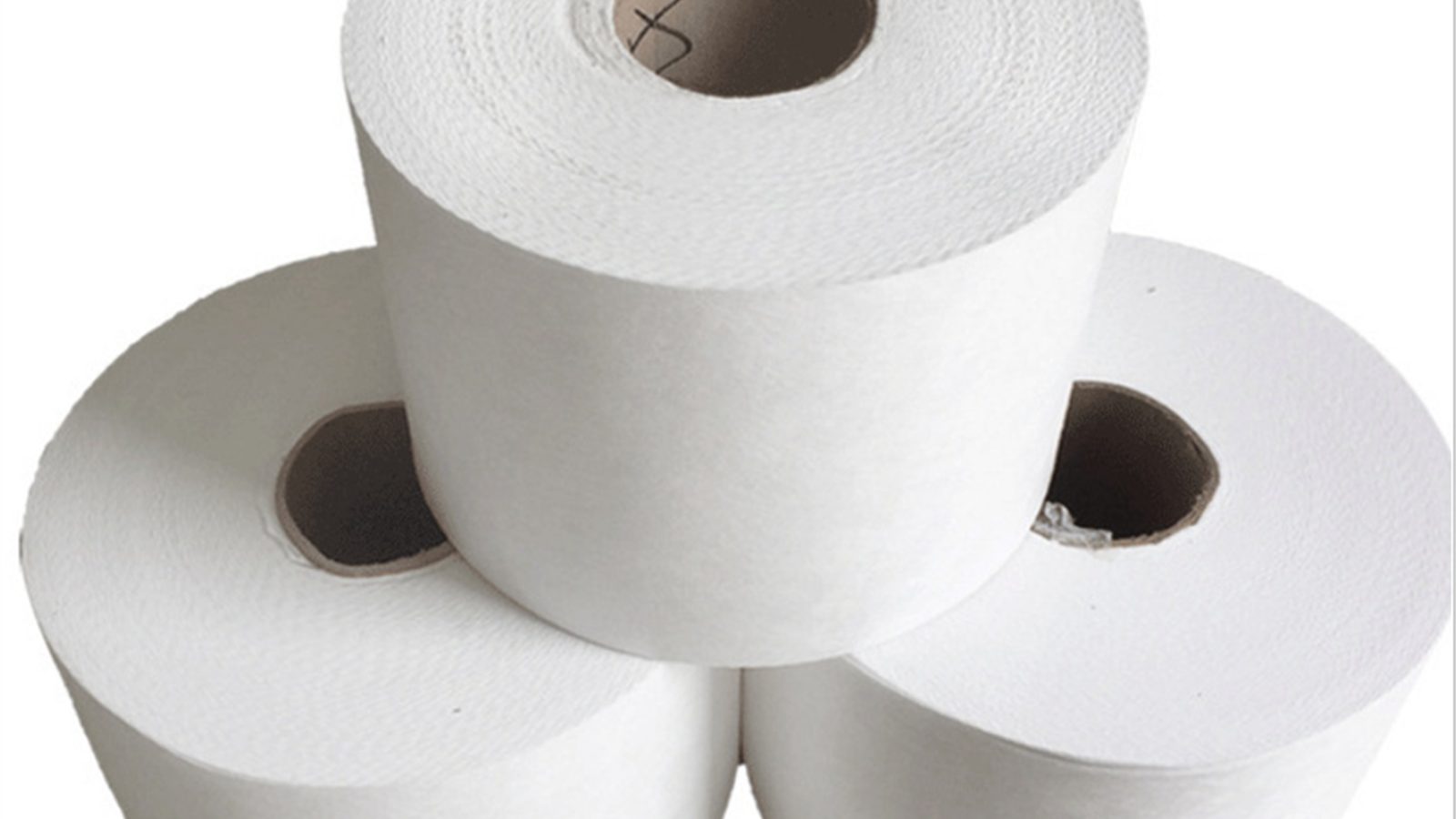 Reading a nonwoven specification: gsm, width, roll diameter What gsm, width, roll diameter, core size and splice limits mean on a nonwoven order, and how each one changes cost, runnability and packing. Read more
-
 Hydrophilic and hydrophobic finishing: what actually changes How hydrophilic and hydrophobic finishes change nonwoven behaviour, which products need them, and how to specify a finish that survives converting. Read more
-
 Adhesive bonded vs spunlace: the honest comparison Chemical bonded and spunlace nonwoven compared on cost, hand feel, strength, lint and converting behaviour, with guidance on when each is the right ch Read more
-
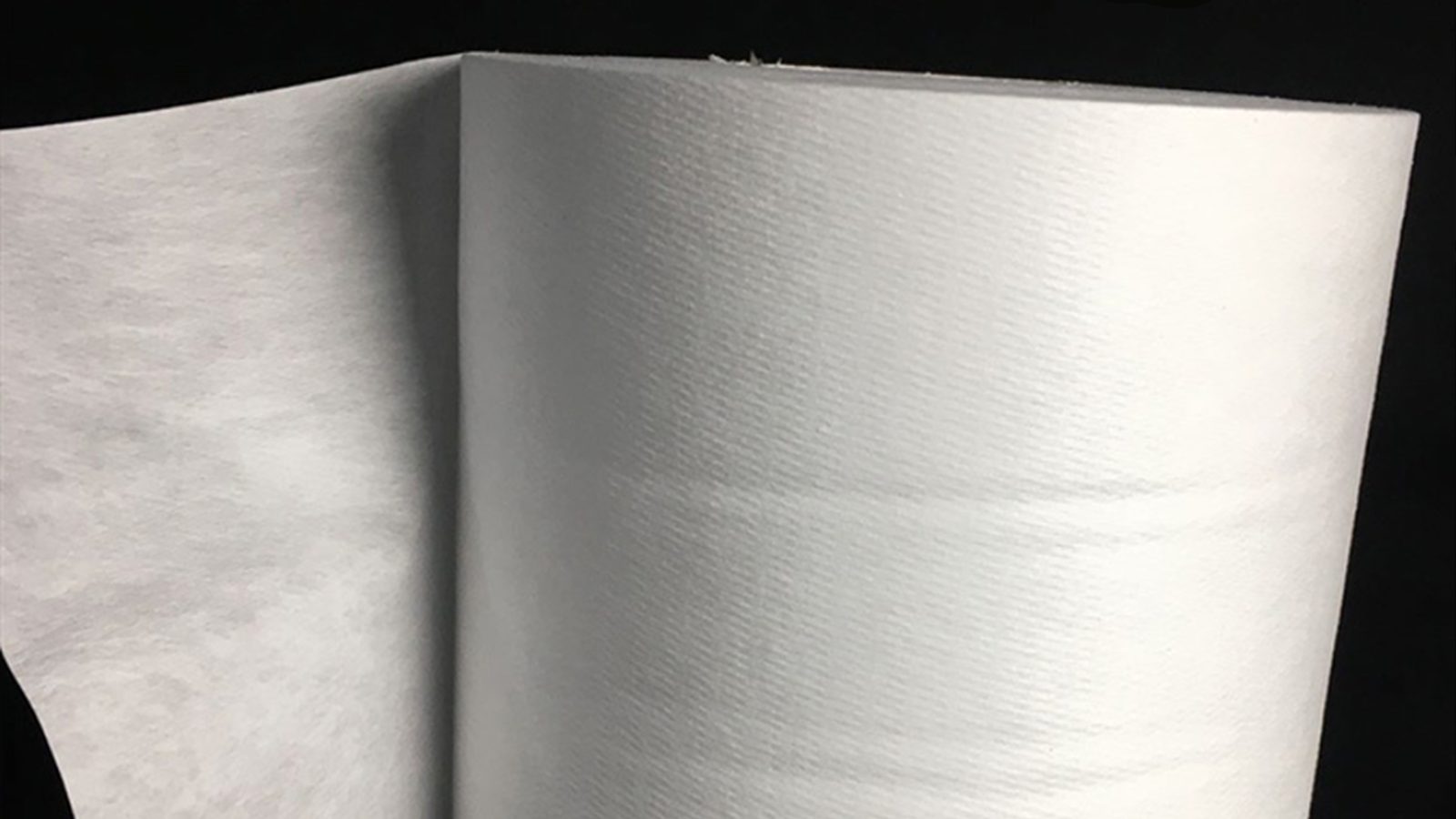 Samples and trial orders: what a sample should prove How nonwoven sampling works: hand sheets versus trial rolls, what to test, how long it takes and what a trial order should cost you in time and money. Read more
-
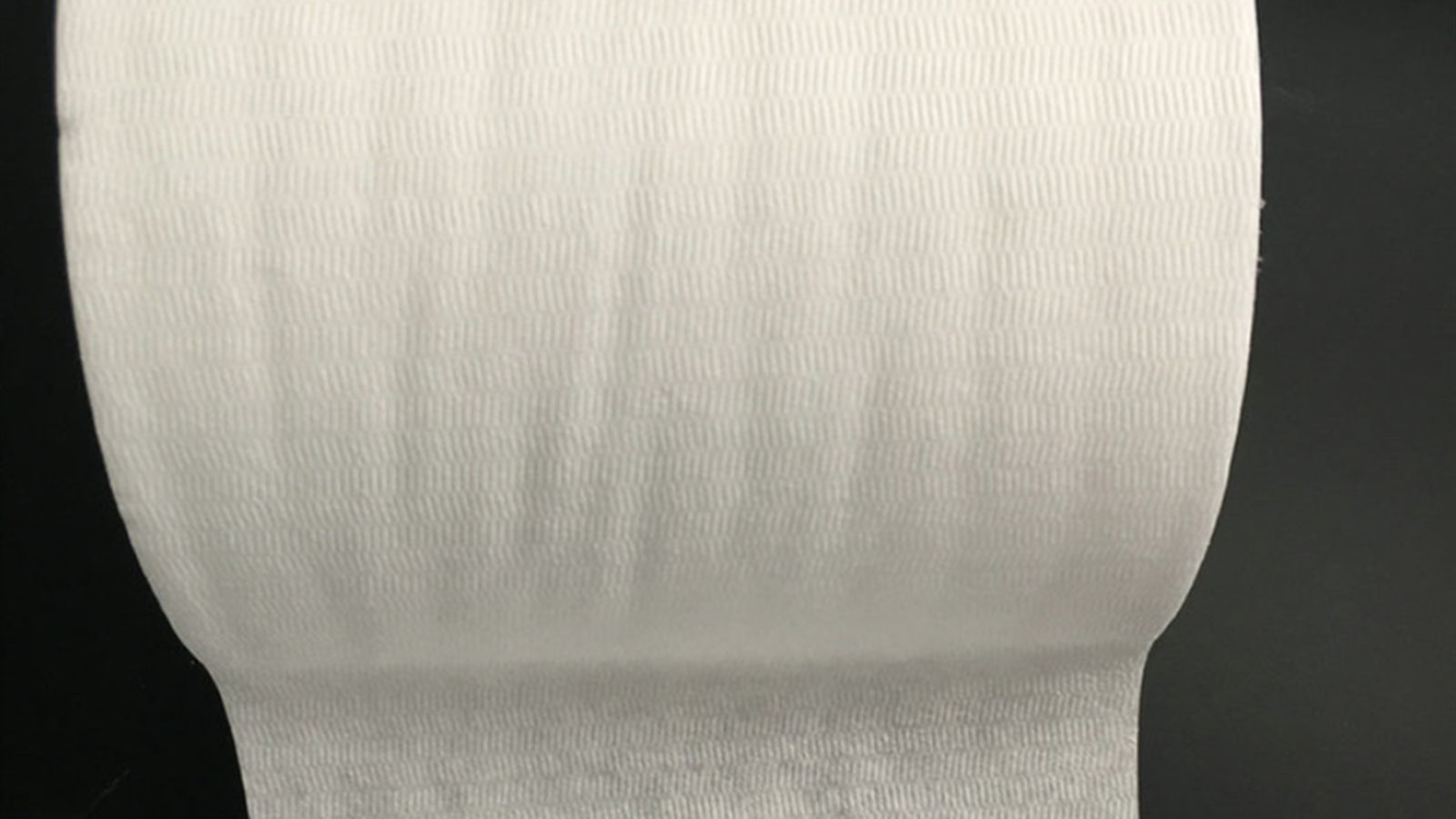 MOQ and lead time: what actually drives them What sets the minimum order quantity and lead time for nonwoven roll goods, why custom grades cost more to start, and how to plan a first order realis Read more
-
 Pre-shipment inspection: the ten checks that matter A pre-shipment inspection checklist for nonwoven rolls: weight, width, roll build, splices, labelling, packing and the documents to close the containe Read more
- OEM and ODM for wipes: the process behind a private label How private label wipes are produced under OEM and ODM: specification, artwork, sample approval, packing formats, MOQ and the documents needed for imp Read more
-
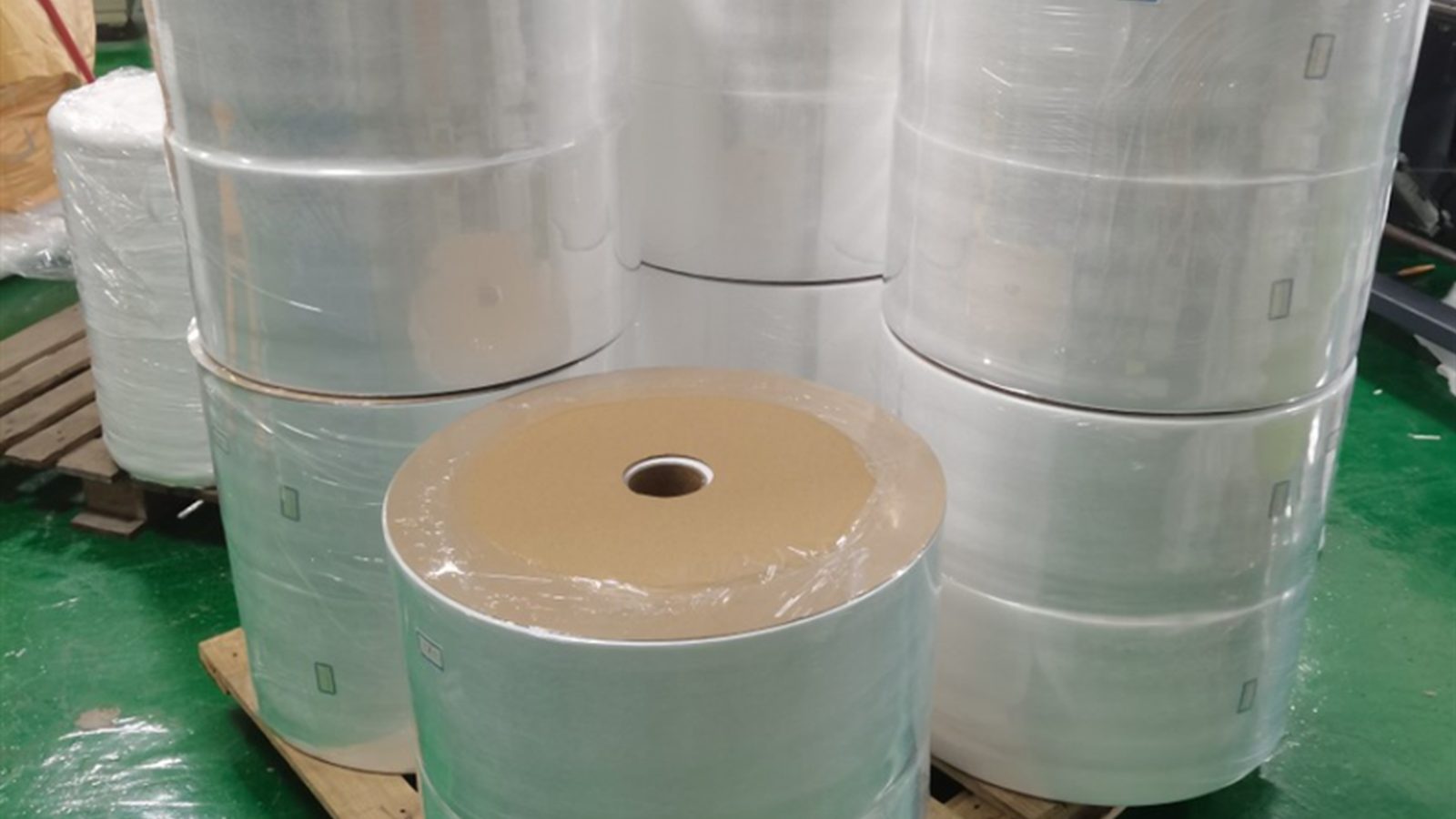 Packing and container loading for roll goods Packing and loading for nonwoven rolls: pallet or carton, edge protection, humidity control and container fill that prevents transit damage. Read more
-
 Test methods for nonwoven: tensile, absorbency, abrasion Which test methods buyers use on nonwoven, what tensile, absorbency and abrasion tests measure, and how to write an acceptance criterion. Read more
-
 Medical grade vs hygiene grade: the difference that matters What separates medical grade from hygiene grade nonwoven: standards, barrier performance, documentation, traceability and the claims each one supports Read more
-
 Choosing agricultural nonwoven: cover, fleece or shade How to choose agricultural nonwoven: ground cover, crop fleece or shade net, with gsm, UV life, permeability and the price per season that decides the Read more
-
 Nonwoven for sound insulation and absorption Nonwoven for sound absorption: fibre choice, weight per area, airflow resistance, and specifying the material for automotive and building use. Read more
At a glance
How the options compare
| Topic | What the guide answers |
|---|---|
| Process comparison | Spunlace, spunbond and SMS: which one suits which product |
| Specification | gsm, width, roll diameter and what a tolerance really costs |
| Finishing | Hydrophilic and hydrophobic treatment, and what changes on the line |
| Bonding | Adhesive bonded versus spunlace, and when each is the right call |
| Sampling and MOQ | Trial orders, minimum quantities and realistic lead times |
| Testing and compliance | Tensile, absorbency, abrasion, and the standards buyers cite |
Start with the decision you are actually making
Most buying mistakes in nonwoven happen before the enquiry: the grade was chosen by name rather than by property, or a parameter was left open and filled in by whoever quoted fastest. These guides are written to close that gap, one decision at a time.
If you already know the application and the test that decides acceptance, go straight to the product pages. If not, the first three guides below are the ones to read in order.
How to use them
Each guide answers a single question, states the typical industry range rather than a marketing promise, and ends with the questions we would ask in a real enquiry. Where a figure depends on the line or the grade, the guide says so instead of quoting a number that would not survive contact with a trial order.
Have a specification that needs a second opinion?
Send it with the application and the acceptance test. The answer names a grade, a tolerance and a lead time.
Questions
Common questions
Are these guides specific to Shuntai grades?
They describe how the processes and parameters behave in general, then explain what we need to know to quote. Where our own range differs from the industry norm, the guide says so.
Can I send a specification and get a grade recommendation?
Yes. Send the application, the target gsm, the width and the test that decides acceptance, and the reply names a grade we can run and the tolerance we can hold.