Logistics
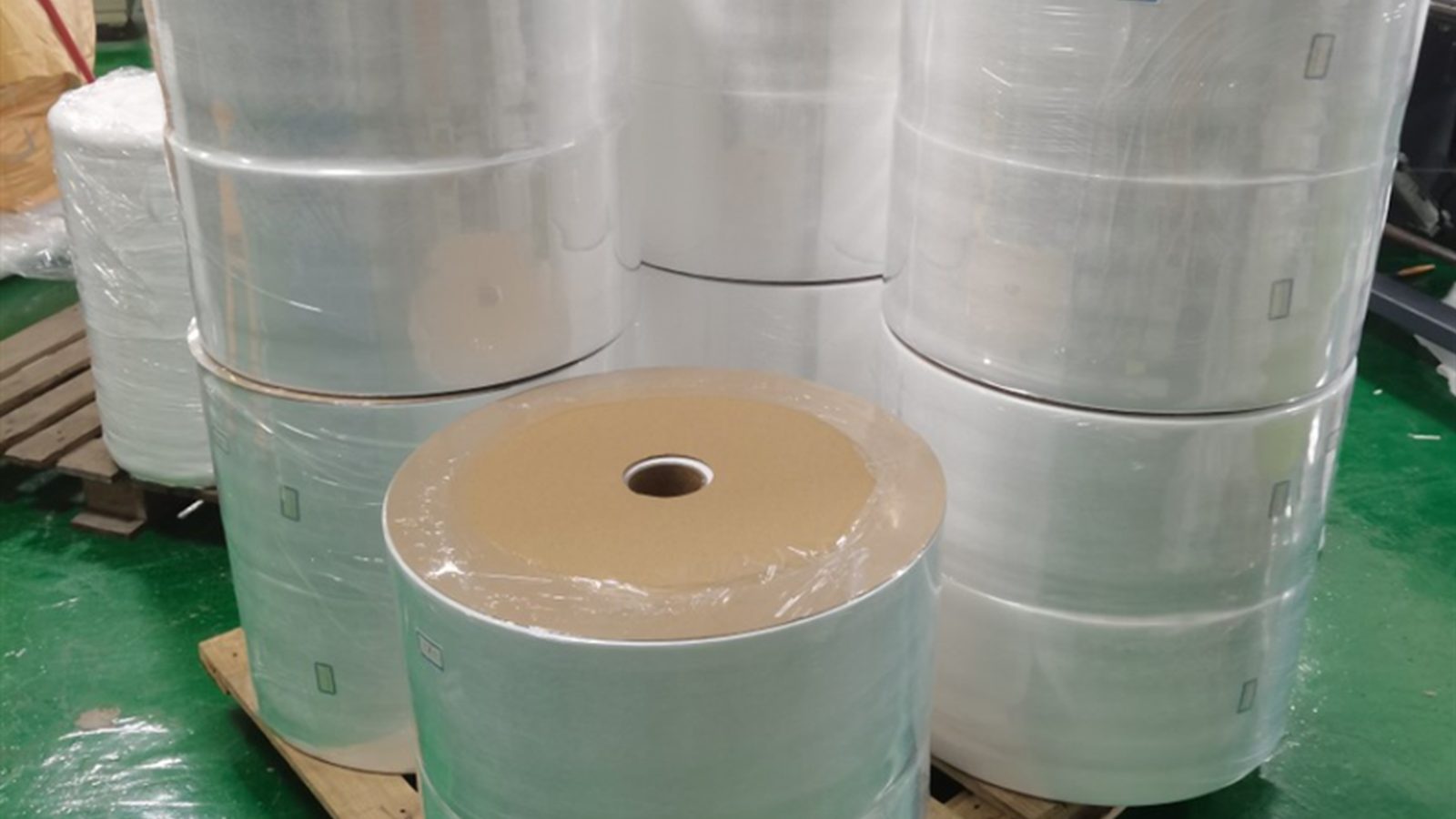
Packing and container loading for roll goods
A roll that arrives with a crushed edge is a roll the line cannot use, even though nothing was wrong with the fabric. Packing decisions are made at quotation, not at the port.
At a glance
Specification at a glance
| Option | Best for | Protection | Trade off |
|---|---|---|---|
| Rolls on pallet, shrink wrapped | Standard programmes | Good, stackable | Needs a fork at destination |
| Rolls in cartons | Small rolls, mixed SKUs | High, easy handling | Less volume efficiency |
| Vertical eye to sky | Wide rolls | Good, no flat spots | Loading skill required |
| Horizontal | Standard widths | Adequate | Pressure on lower rolls |
| Edge protectors | All roll shipments | Prevents rim damage | Small cost, large saving |
| Desiccant | Humid season, long transit | Limits condensation | Must be declared for some markets |
Choose the packing for the unloading bay
The best packing is the one the receiver can handle. A pallet that is too tall for the customer's fork, or a carton that is too heavy to lift by hand, turns a good shipment into a complaint. Ask how the goods will be unloaded before choosing the format.
Edge damage is the most common transit claim
Roll ends take the impact in a container: loading, the road to the port, the crane, the truck at the destination. Edge protectors and a tight wrap remove most of it for a small cost per pallet. Dunnage that stops the pallets moving is the second half of the answer.
Humidity and the long route
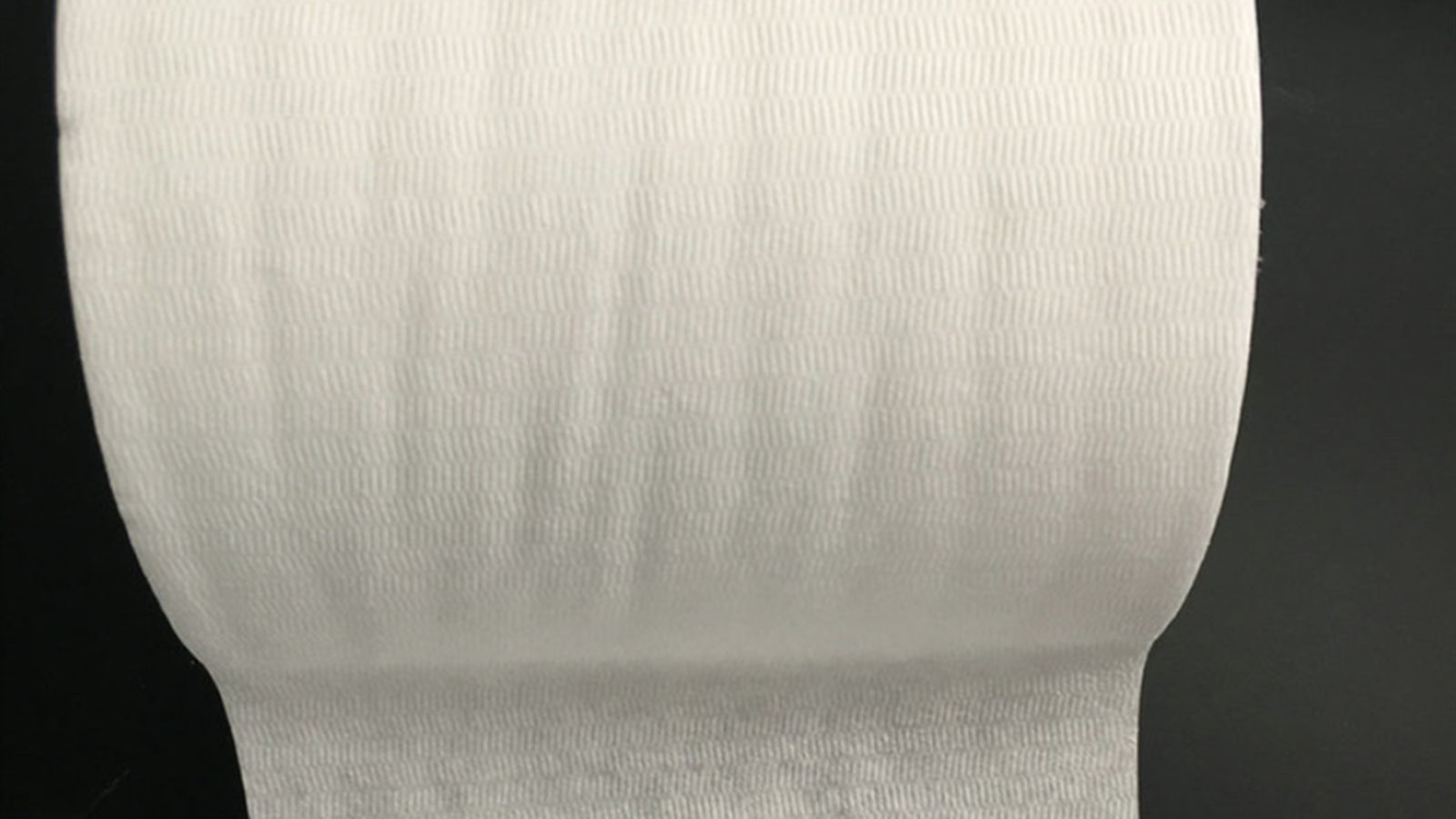
Nonwoven is hygroscopic enough to soften in a container crossing a humid season. Desiccant and a dry container matter more than most buyers expect, and the effect is not visible until the fabric is unwound. If the route is long or the destination is tropical, say so at booking.
Documents that travel with the goods
Packing list, invoice, certificate of origin and COA. For some destinations, chamber certification or a declaration of non wood packing. Each of these is prepared before loading, because after the container is sealed the options narrow to delay or exception.
Calculating the load before the order
Roll diameter, core, pallet footprint and stack height decide how much fits. A 40HQ takes roughly 68 cubic metres; roll goods rarely use all of it because weight and pallet height limit the load first. Ask for a loading plan with the quotation, with the tonne and roll count, so freight per tonne can be compared between suppliers.
Two suppliers quoting the same fabric price can differ by fifteen percent landed because one loads 22 tonnes and the other loads 18.
Damage claims, and how to avoid needing one
Photograph the container before loading, after loading and at destination. Most claims are decided on those three images plus the packing specification. If the specification said edge protectors and the photographs show none, the claim is settled before it starts.
Tell us the application and the acceptance test
The reply names a grade we can run, the tolerance we can hold and a lead time, or says plainly that we cannot make it.
Questions
Common questions
How many rolls fit in a 40HQ?
It depends on roll diameter, weight and whether they are palletised. A typical programme loads 18 to 22 tonnes per 40HQ. Send the roll dimensions and a loading plan will be quoted.
Can you load mixed SKUs in one container?
Yes, with a loading plan that keeps each SKU retrievable at destination. Mixed loads need the plan agreed before production so the packing order matches.
Do you supply pallets that meet ISPM 15?
Wood packaging is treated and marked where required. If the destination requires plastic or pressed wood, say so at quotation.