Weifang Shuntai Textile · Shandong, China
Nonwoven fabric manufacturer for customised B2B roll goods
Spunlace, PP spunbond, SMS/SMMS and meltblown fabric, made to a written specification: fibre or polymer, gsm, width, roll size and surface. We quote the grade we can run, not the grade in a brochure.
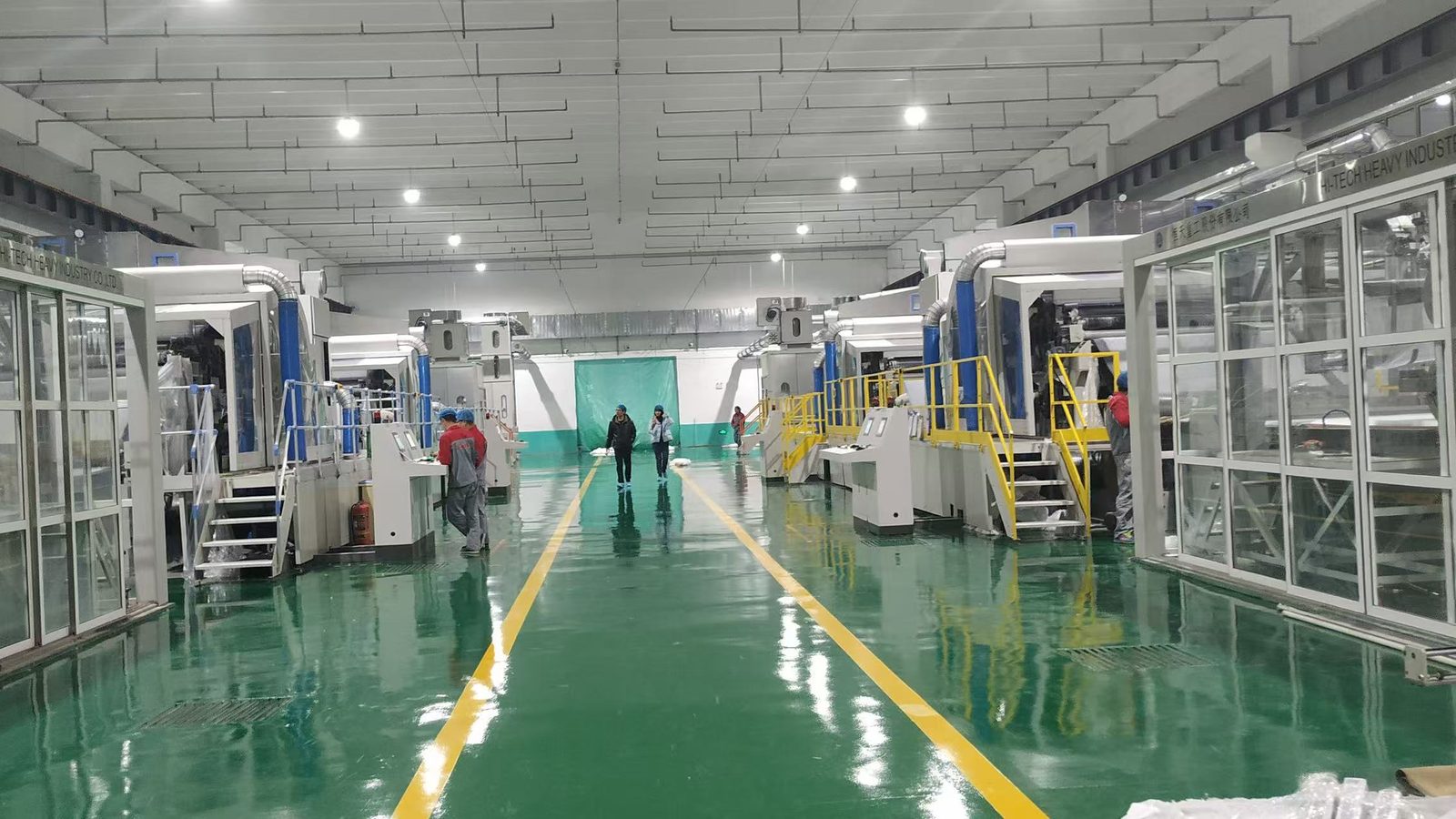
- 7 lines, 70 t a day
- 30 to 90 gsm working range
- Slit to your working width
- 30+ export countries
Products
Seven grades, one specification discipline
Every grade below is quoted against the same eight fields: blend, weight, tolerance, width, roll size, surface, treatment and acceptance test. If a field is missing, we ask before we cut a sample.
- Spunlace Soft, absorbent, low lint. The starting point for wipes.
- PP spunbond Strength per gram for hygiene, packaging and agriculture.
- SMS and SMMS Barrier where breathability still matters.
- Meltblown Fine fibre media for filtration layers.
- ES hot rolled Pressed bonding for a soft hand and a clean edge.
- Bicomponent Sheath-core fibre bonded below its core melting point.
- Polyester (PET) Wet strength and dimensional stability for industrial lines.
Specifications
Product pages in detail
-
 Spunlace nonwoven fabric for wipes and industrial use Custom spunlace nonwoven fabric for wipes, personal care and industrial wiping. Fiber blend, gsm, width, pattern and roll specific Read more
-
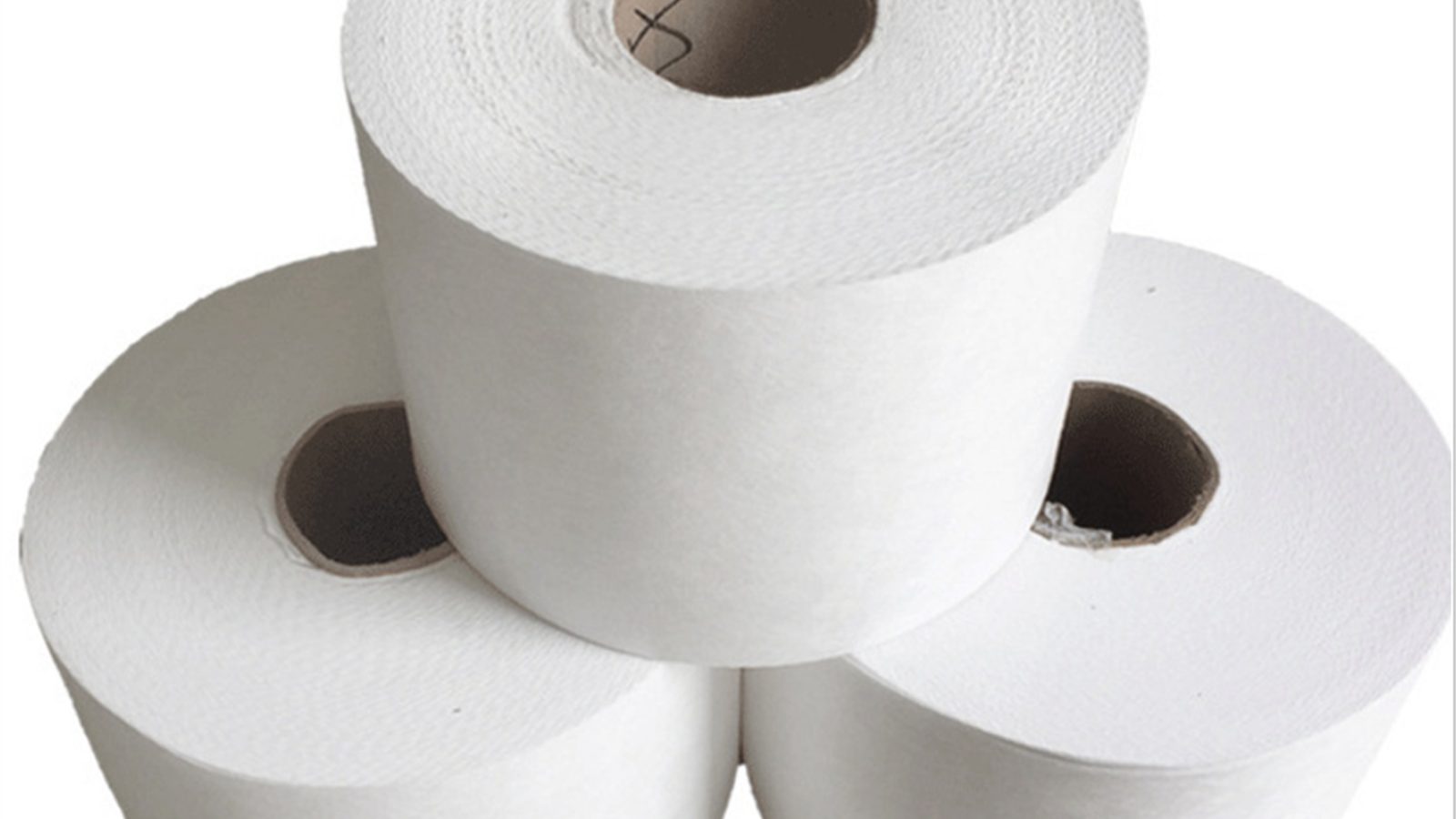 PP spunbond nonwoven fabric for B2B applications PP spunbond nonwoven fabric for hygiene, packaging, agriculture and furniture. S, SS and SMS structures, custom gsm, width and col Read more
-
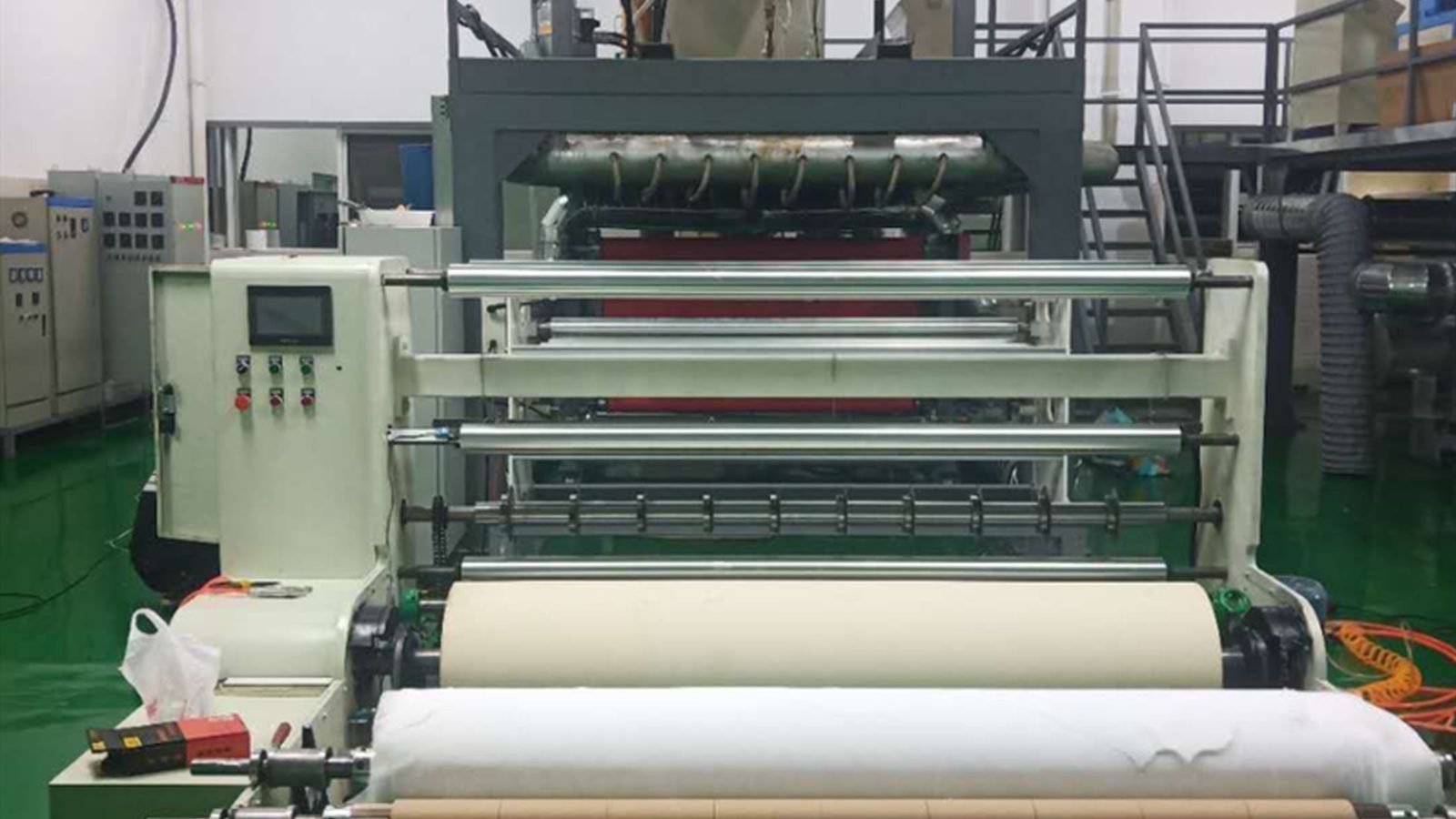 SMS and SMMS nonwoven fabric for medical and hygiene use SMS and SMMS nonwoven fabric for medical and hygiene converters. Layer structure, gsm, hydrostatic head and breathability confirme Read more
-
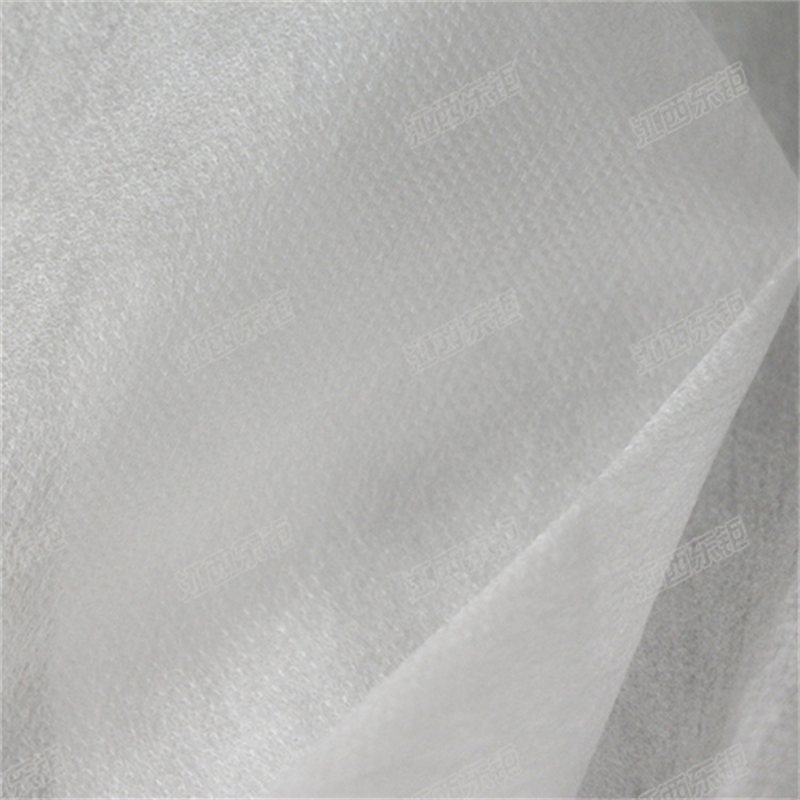 ES hot rolled nonwoven fabric, bonded for a soft hand ES hot rolled nonwoven fabric, thermal bonded for a soft hand and low lint. Gsm, width, embossing pattern and roll build produced Read more
-
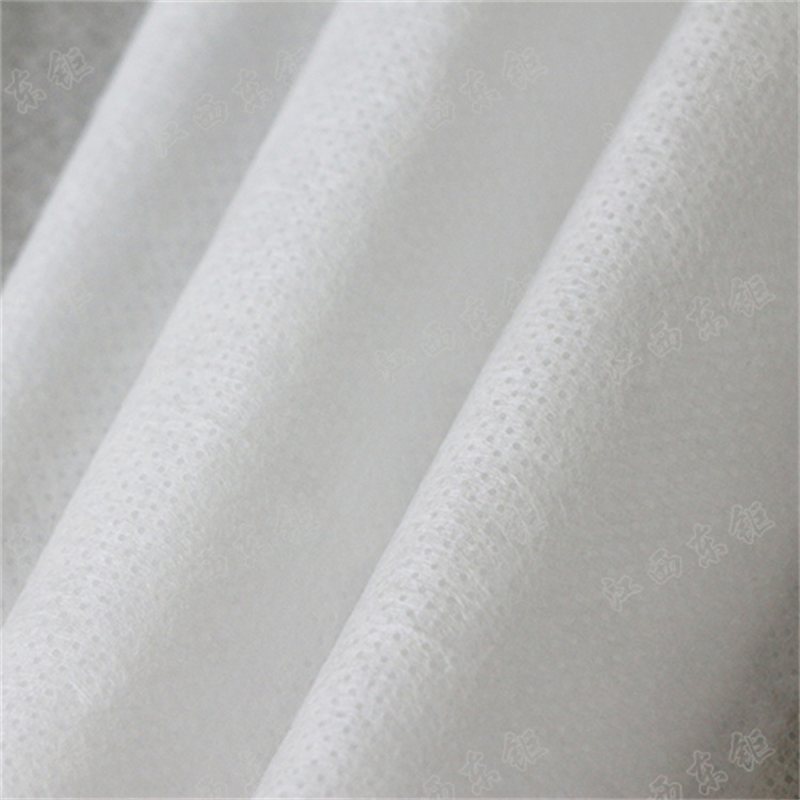 Bicomponent nonwoven fabric for softness and thermal bonding Bicomponent nonwoven fabric with sheath-core fibre for softness, thermal bonding and low lint. Gsm, width, pattern and roll build Read more
-
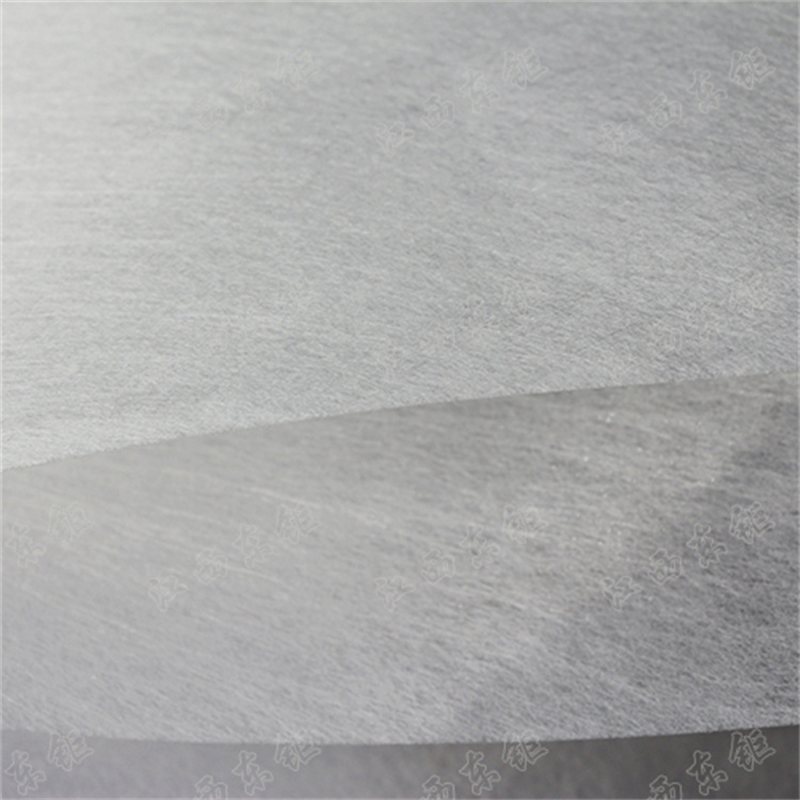 Polyester nonwoven fabric, made to your roll specification Polyester nonwoven fabric in 30 to 90 gsm, parallel or cross laid, plain dot or mesh pattern, slit to your working width and packe Read more
-
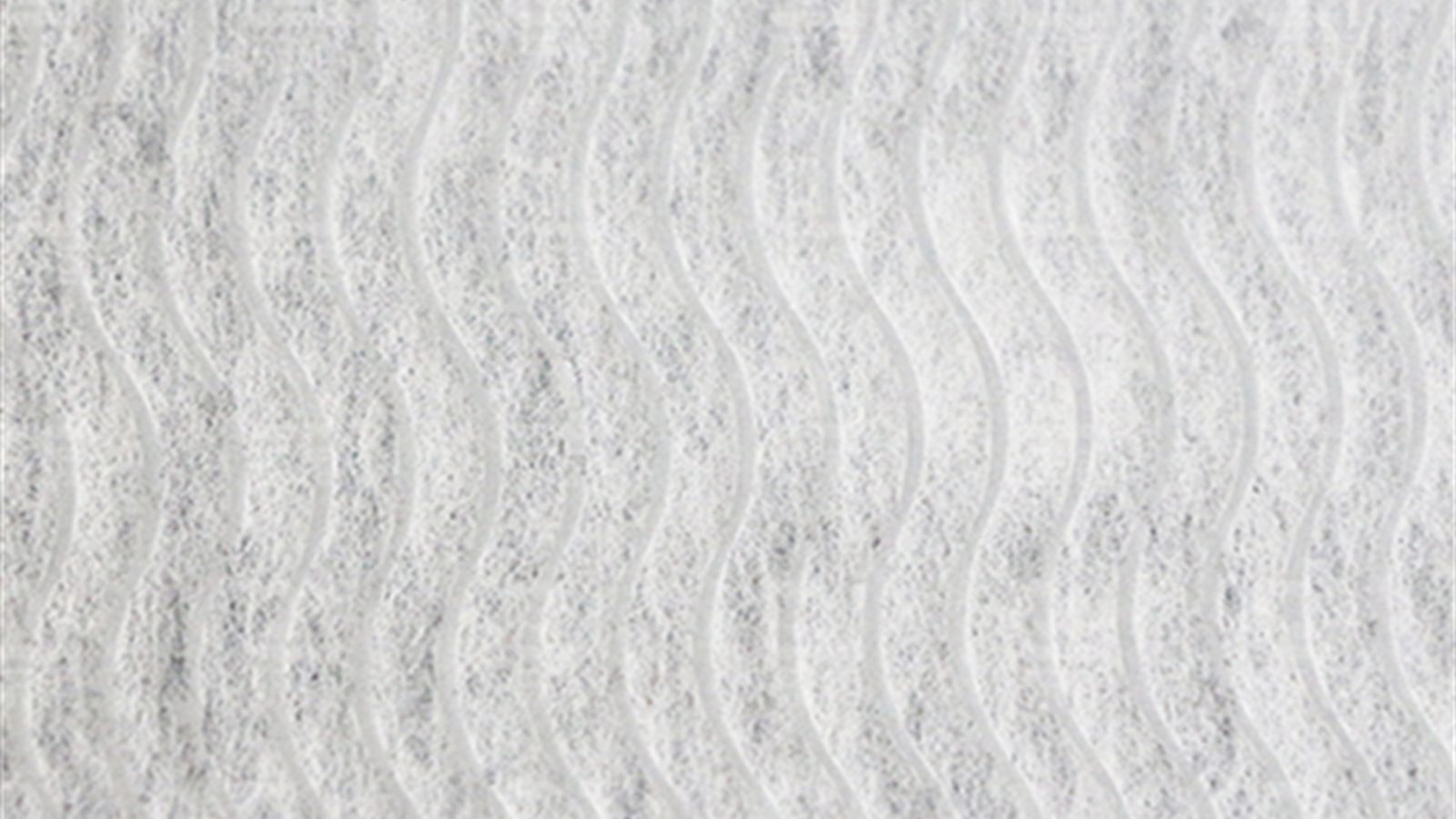 PP meltblown nonwoven fabric for filtration PP meltblown nonwoven fabric for filtration and composite barrier layers. Gsm, width and filtration performance confirmed against Read more
Documents
The paperwork that ships with the container
Packing list, invoice, certificate of origin and a batch COA travel with every order. REACH, RoHS, MSDS and test reports are issued when the destination or the application requires them, and the certificate scope is quoted with the grade rather than shown as a badge.
- Batch COA against the agreed specification
- Roll labels tie every pallet to a batch
- Documents named at quotation, not discovered at the port
Manufacturing
Seven lines, and a plan for each order
Spunlace, spunbond and composite lines run in the 2.4 m and 3.2 m width class, with slitting, winding and packing downstream. Line assignment is confirmed per order, because two grades with the same gsm can land on different machines and get different lead times.
- Parent rolls slit to your working width, wound to your unwind limit
- Splice limit written into the order, not discovered at the line
- Export packing chosen for the port and the handling chain
Applications
Start from the application
-
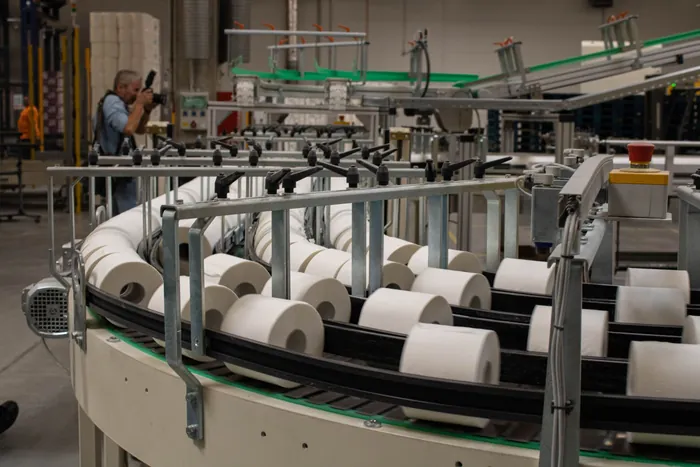 Nonwoven roll goods for wet wipes converters Spunlace roll goods for wet wipes and dry wipes converting: fiber blend, gsm, lint, wet strength, embossing and lotion loading. Read more
-
 Nonwoven materials for medical and hygiene converters Nonwoven materials for medical and hygiene products: barrier performance, test evidence, and the compliance boundary between mater Read more
-
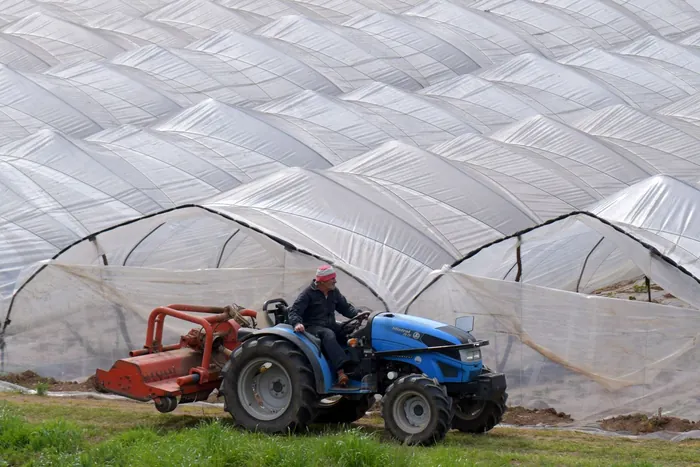 Agricultural nonwoven fabric for crop protection UV stabilised PP nonwoven for crop protection and outdoor covers. Ageing evidence, permeability, weight and installation guidance. Read more
-
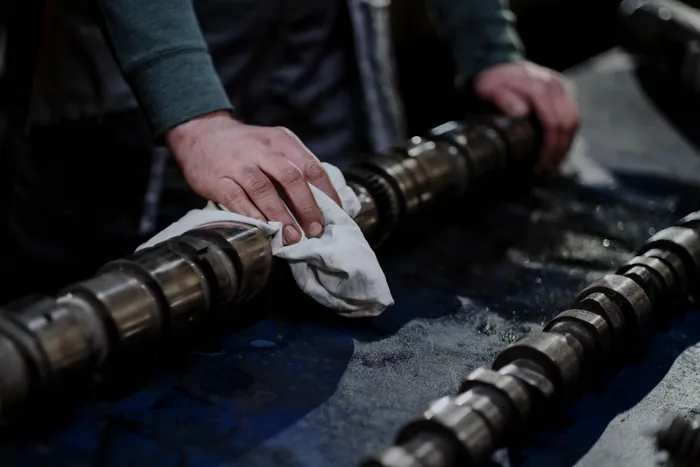 Nonwoven material for industrial wiping Nonwoven material for industrial wiping and cleaning: lint control, solvent behaviour, strength and converting for workshop and pr Read more
-
 Nonwoven fabric for mattress and furniture Nonwoven fabric for pocket spring covers and furniture applications: tensile, elongation, running flat and machine fit. Read more
-
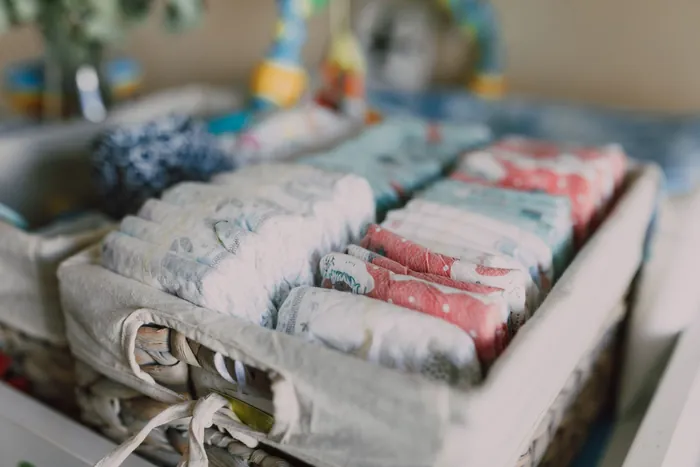 Nonwoven for disposable hygiene products Nonwoven grades for disposable hygiene: topsheet, acquisition layer, backsheet and leg cuffs, with the gsm, fibre and finish each Read more
- Nonwoven for industrial filtration Nonwoven filter media: efficiency and pressure drop, fibre choice, weight and pleatability, and how to specify media that a filter Read more
Quality
Quality decided before the first metre runs
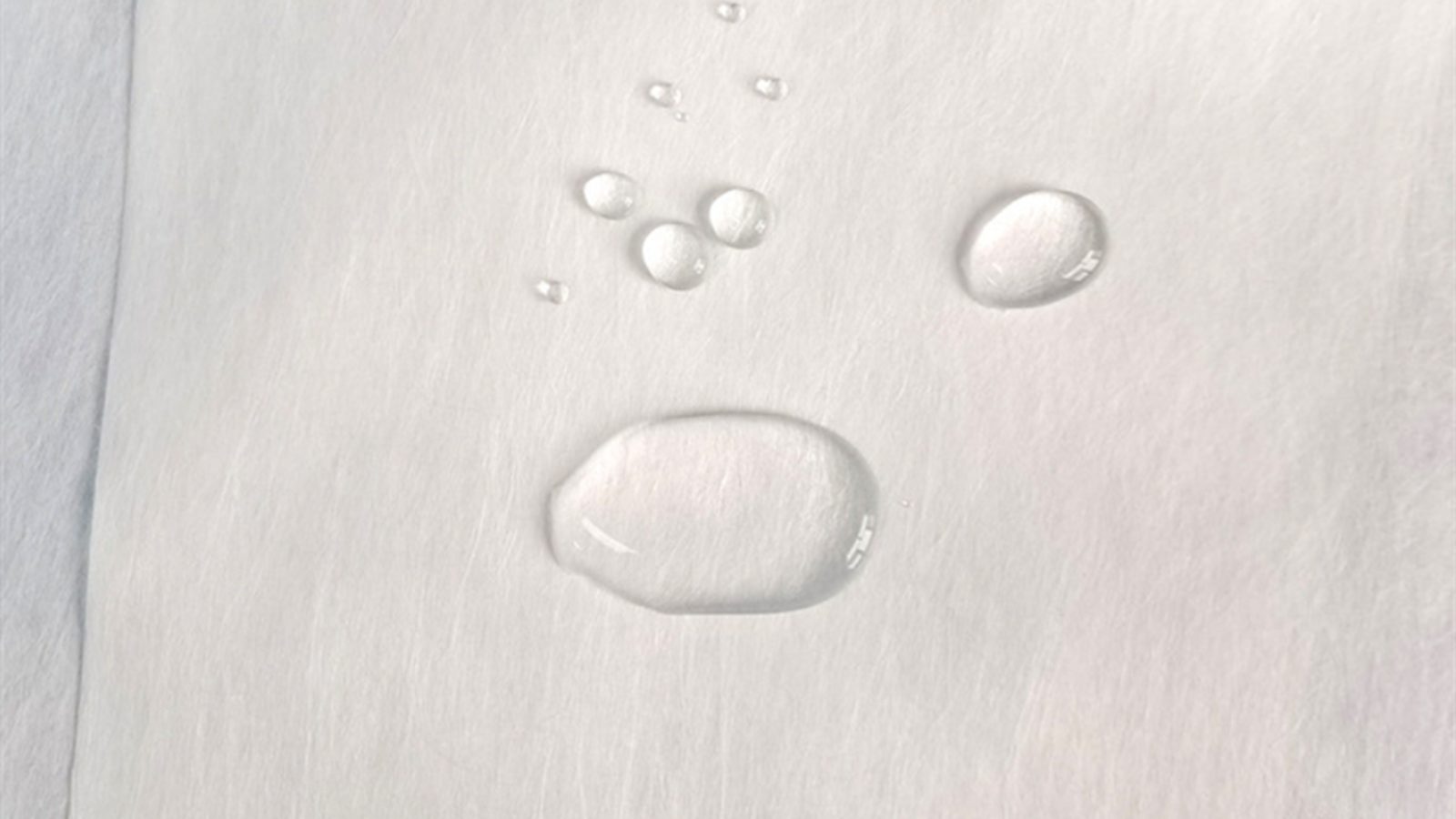
Most nonwoven disputes are specification gaps, not manufacturing failures. We write the acceptance criteria into the order confirmation, inspect against them and issue a COA per lot. Certificates, test reports and safety data sheets are kept apart, because they prove different things.
- Incoming fibre, in line weight, surface, roll and lot release checks
- Batch code and COA with every lot on request
- Third party tests commissioned against a named method
How it works
From specification to container
- 01 Specification review
You send the application, the target gsm and the property that decides acceptance. We check which line can run it.
- 02 Grade confirmation
We answer with the fibre or polymer, the tolerance we can hold and the open questions that still affect price.
- 03 Sample or trial roll
A swatch, or a trial roll at production width so the trial matches the bulk order.
- 04 Bulk run and documents
Inspection against the agreed plan, lot code, COA and export packing.
Resources
Guides for the person who signs the specification
Fourteen technical and supply guides: process comparison, parameter definitions, finishing, sampling, inspection, testing and compliance. Each one answers a single buying question and ends with what we need to quote.
- Spunlace vs spunbond vs SMSWhich process fits which product
- Wet wipe specificationBlend, weight, wet strength, lint
- gsm, width and roll buildThe four numbers that set the price
- Hydrophilic and hydrophobic finishesWhat the finish changes on the line
- Pre-shipment inspectionTen checks before the container closes
- Compliance documentsREACH, OEKO-TEX, food contact, EN
Knowledge
Buying guides for the person who signs the spec
- Spunlace vs spunbond: the differences that decide your order A property by property comparison of spunlace and spunbond nonwoven fabric: bonding, strength, absorbency, lint, cost an Read more
- How to specify spunlace fabric for wet wipes The eight fields that define a wipes fabric: fiber blend, gsm, width, pattern, wet strength, lint, roll spec and splice Read more
-
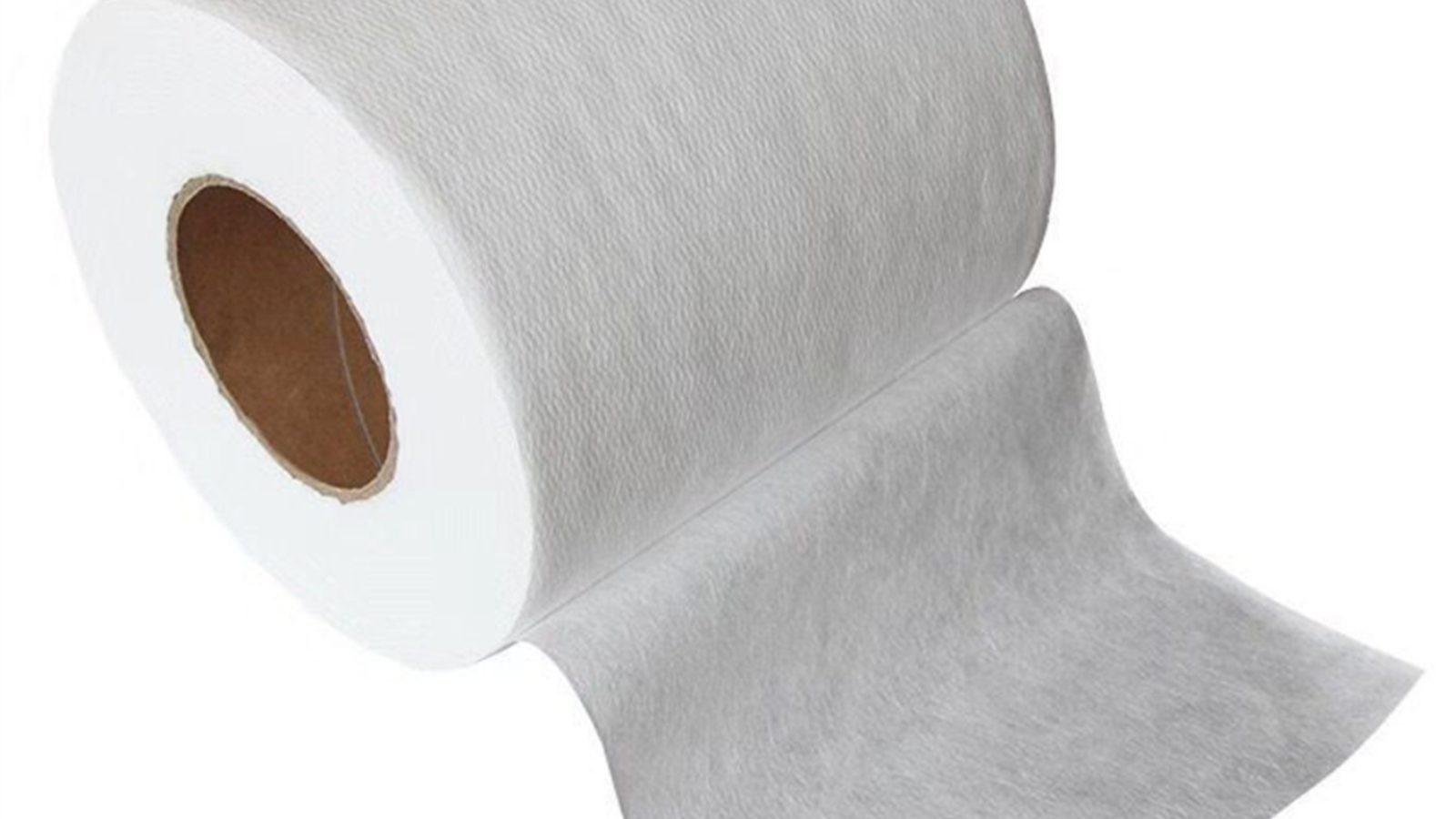 What GSM means in nonwoven fabric GSM explained for nonwoven buyers: what it measures, how tolerance works, why two fabrics at the same gsm behave differe Read more