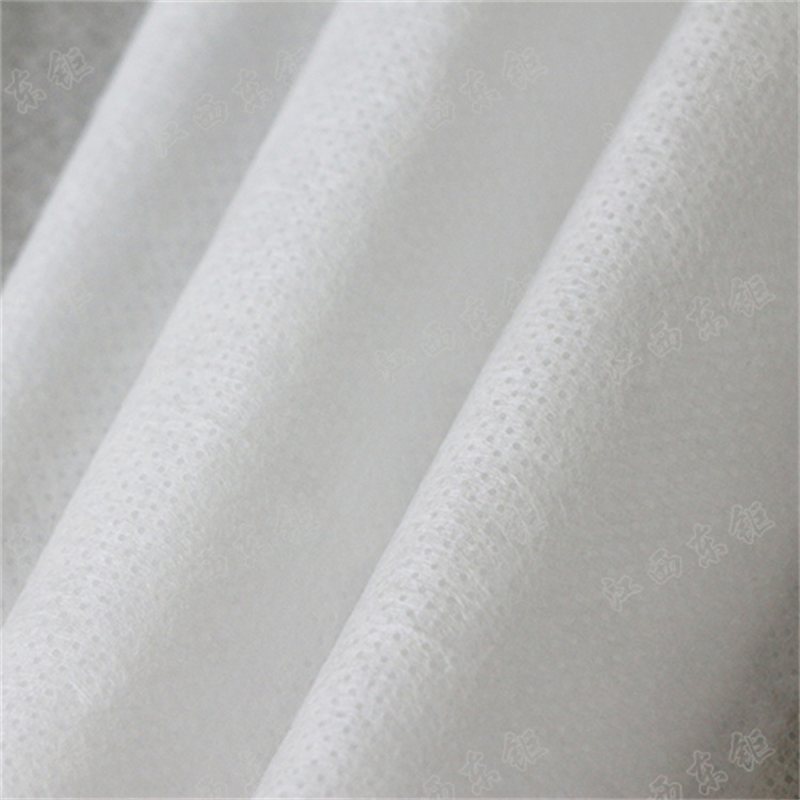
Product
Bicomponent nonwoven fabric for softness and thermal bonding
Bicomponent fabric uses a fibre with two polymers, usually a lower melting sheath around a stronger core. The sheath bonds at a temperature the core survives, which is how the web gets strength without the stiffness of a fully bonded fabric.
At a glance
Specification at a glance
| Parameter | Range offered for quotation | Confirm at enquiry |
|---|---|---|
| Fibre | Sheath-core bicomponent, PE/PET or PE/PP | Fibre type and dtex |
| Basis weight | 30 to 90 gsm working range | Target gsm and tolerance |
| Bonding | Thermal bonded, through-air or calendar | Bond pattern and temperature window |
| Width | Slit to working width | Slit plan and core size |
| Surface | Plain, dot, mesh | Pattern at your weight |
| Hand feel | Soft to crisp, set by bond pattern | Finished product requirement |
| Packing | Roll or folded pack | Machine feed format |
Why a two-polymer fibre changes the result
A single-polymer web has one melting range, so bonding heat strong enough to hold the web also stiffens it. A sheath-core fibre separates the two jobs: the sheath flows and bonds at a lower temperature while the core keeps its tenacity. The result is a fabric that is soft, low lint and strong for its weight.
That is the reason bicomponent grades appear in hygiene topsheet, medical drapes, filtration and any application where a converter needs a soft web that still runs without fuzz on the machine.
Where it goes wrong
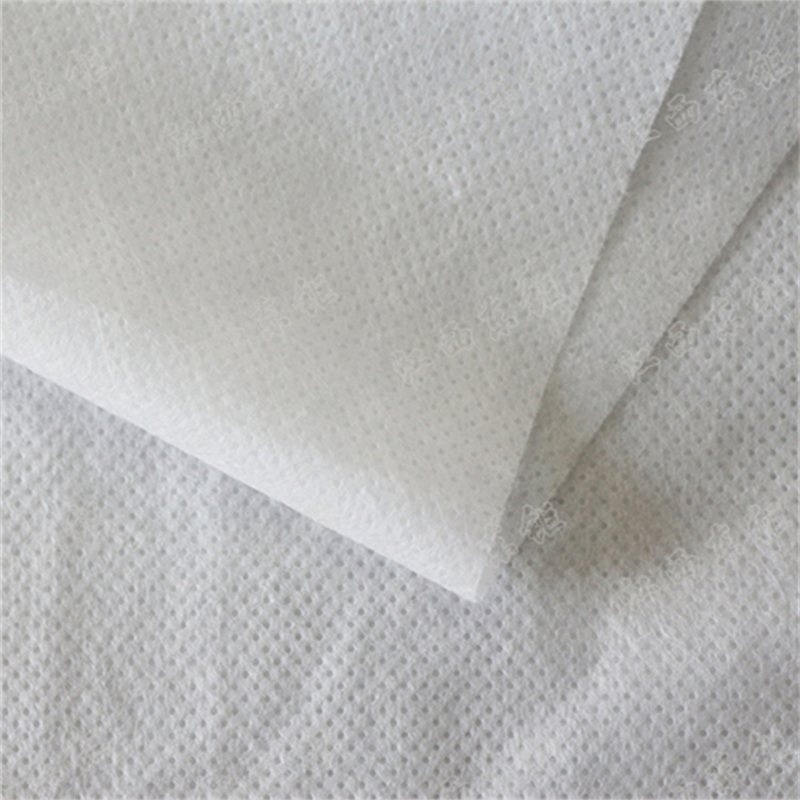
Most complaints about bicomponent fabric are bonding complaints, not fibre complaints. Too much calendar pressure gives a papery hand and shiny spots; too little gives a hairy web that sheds on the converting line. The temperature window is narrow and it moves with line speed, so the setting that works at 120 m/min is not the setting that works at 180.
When a buyer reports shedding, the useful question is what bond pattern and what line speed the fabric is being run at, not what the gsm is. Send both and the grade can be matched to your machine.
Sampling before the first order
For a new bicomponent grade we send a sample roll from the bonding trial, not a hand sheet, because hand sheets hide exactly the behaviour that matters on a converting line. If the trial roll runs on your machine, the running order is released with the same bond setting recorded against the batch.
Grades in this range
The weights below are the ones quoted most often. Each has its own test values and its own failure modes, so the grade is chosen against the converting line and the end use, not against the price per tonne.
- 30 gsm bicomponent - 30 gsm bicomponent web bonds by melting the fibre sheath, so it holds together without lat.
- 50 gsm bicomponent - 50 gsm bicomponent is a support and structural layer: filter media backing, automotive tri.
Tell us the application and the acceptance test
The reply names a grade we can run, the tolerance we can hold and a lead time, or says plainly that we cannot make it.
Questions
Common questions
What is the difference between bicomponent and ES fibre?
ES is a common name for a polyethylene sheath and polyester core fibre, so ES is one type of bicomponent. If a supplier uses the two words interchangeably, ask for the polymer pair and the dtex, because PE/PET and PE/PP behave differently at the same bonding temperature.
Can you match the hand feel of a sample we already buy?
Yes, within the range our lines can bond. Send the sample with its gsm, and tell us which property you are trying to keep and which one you are willing to trade, because softness, strength and thickness move together.
Do you supply food contact grades?
We can supply grades with the declarations your market requires, and we will name the documents we can actually issue for the batch. We do not describe a fabric as food contact approved without the certificate that covers it.