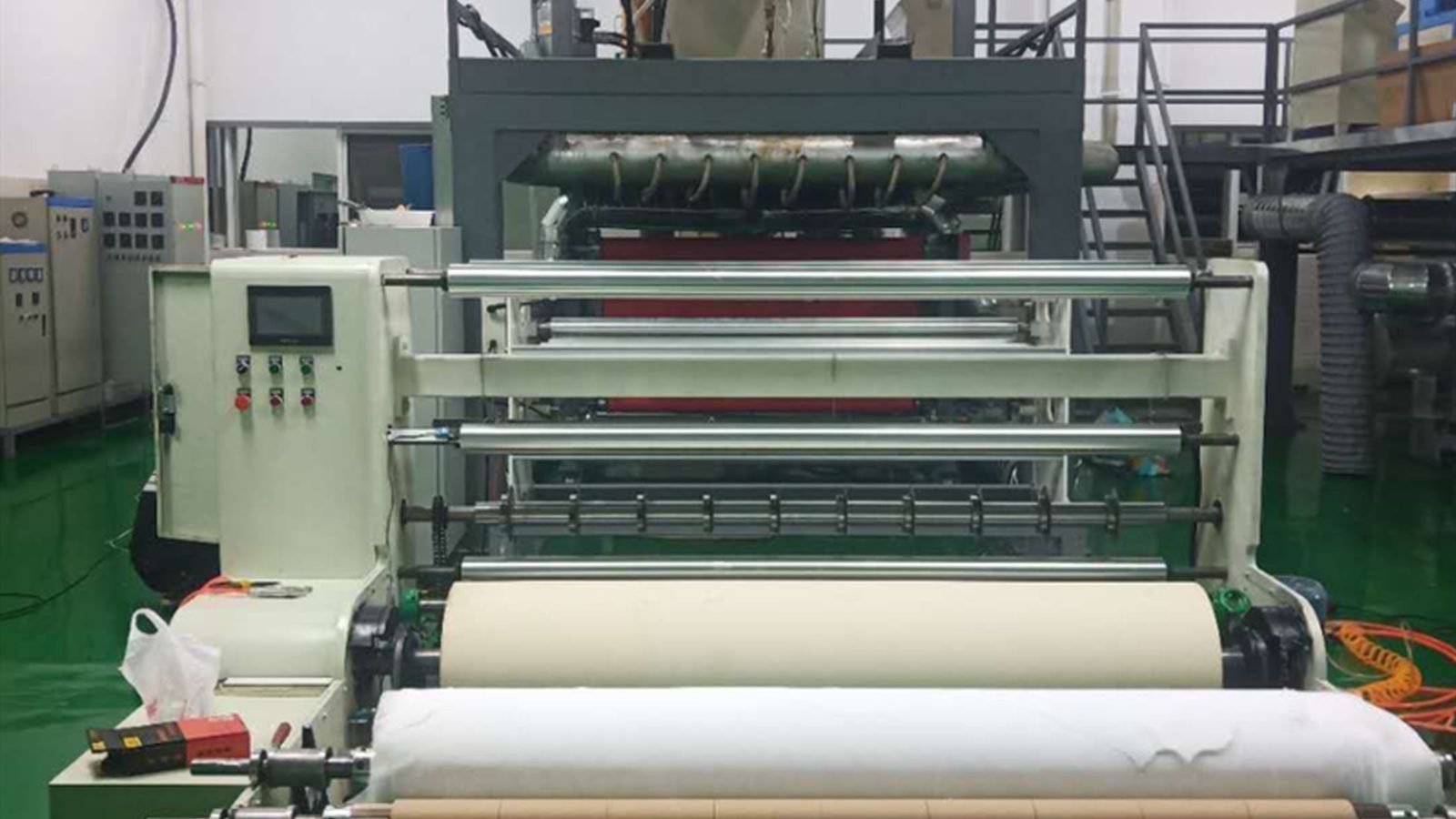
SMS and SMMS nonwoven fabric for medical and hygiene use
SMS combines spunbond strength with a meltblown barrier layer. SMMS adds a second meltblown layer for a higher barrier at the same total weight. The choice is a balance, not a ranking.
At a glance
Specification at a glance
| Property | Why it matters | How it is specified |
|---|---|---|
| Structure | Sets barrier and strength balance | SMS, SMMS, layer weights |
| Basis weight | Drives cost and drape | Total gsm and per layer |
| Hydrostatic head | Liquid barrier | Test method and pass level |
| Air permeability | Breathability and comfort | Method and target range |
| Tensile strength | Converting and end use loads | MD and CD minimums |
| Surface | Softness, printability, assembly | Finish and treatment |
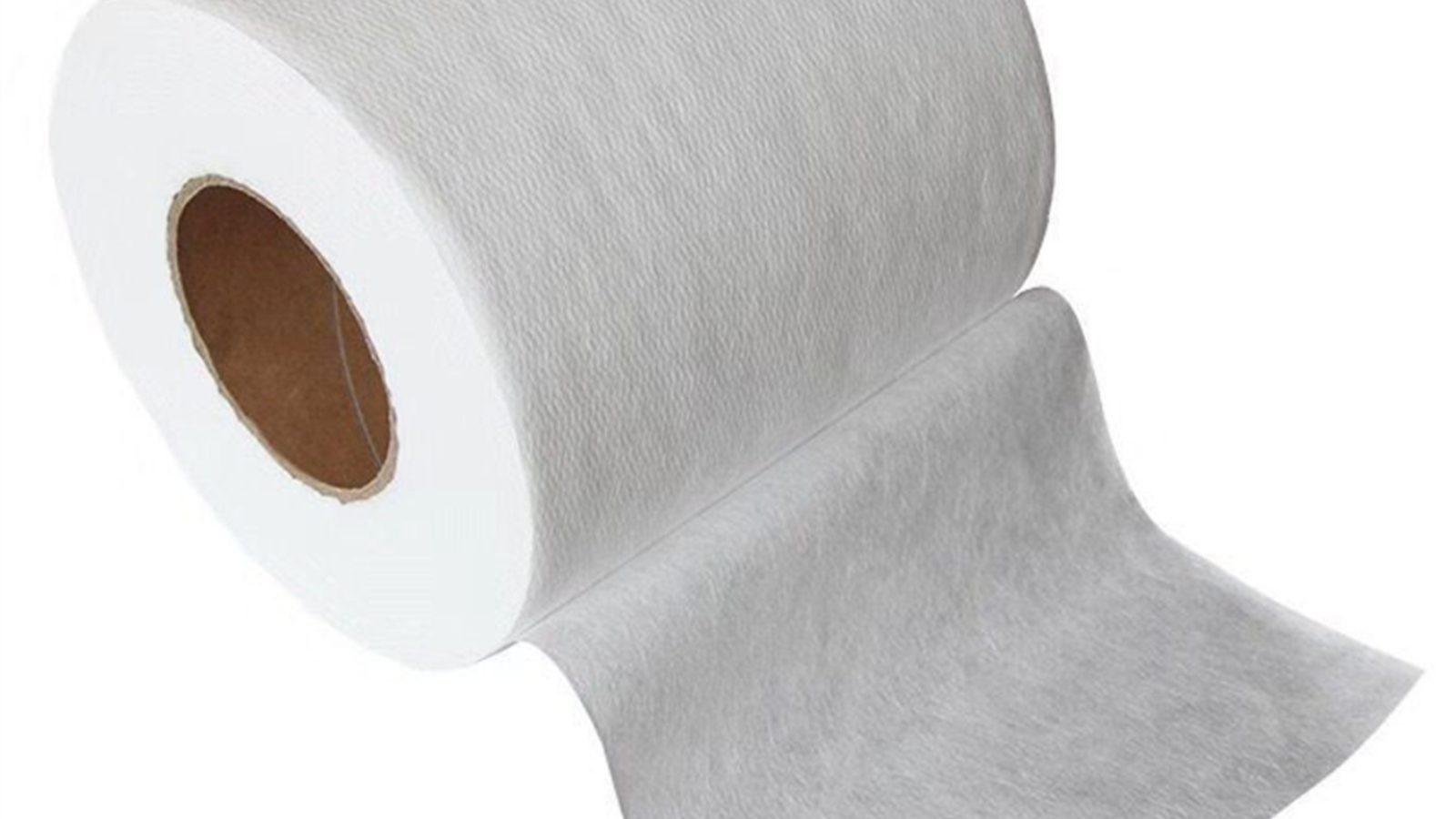
SMS versus SMMS in practice
Adding a meltblown layer raises barrier performance without adding much weight, but it also raises cost and reduces breathability. SMMS is chosen where a specified hydrostatic head or a filtration requirement cannot be met with SMS at an acceptable total weight.
If your requirement is written as a pass level on a named standard, send the standard. Two buyers asking for a barrier fabric can mean two very different tests.

Where the medical boundary sits
We supply material to medical and hygiene manufacturers. Suitability of that material for a specific device depends on the standard that applies to the device, the testing the device manufacturer performs and the regulatory route in the destination market.
A raw material supplier cannot certify a finished device. Any page that says otherwise is selling you a problem for your next audit.
What to put in the enquiry
Structure preference, total gsm, width, colour, hydrostatic head with the test method, air permeability range, tensile minimums in both directions, converting process and the standard the finished product must meet.
Add the destination market. The same fabric can be acceptable in one market and require extra testing in another.
Grades in this range
The weights below are the ones quoted most often. Each has its own test values and its own failure modes, so the grade is chosen against the converting line and the end use, not against the price per tonne.
- 35 gsm SMS - 35 gsm SMS is the lightest barrier structure we quote: a 15 gsm meltblown core between two.
- 45 gsm SMS - 45 gsm SMS balances barrier and breathability for surgical packs, drapes and lab coats. It.
- 55 gsm SMS - 55 gsm SMS is the heavy end of the breathable barrier range: higher hydrostatic head, bett.
Send the standard, not just the weight
Structure, gsm, barrier test method and the standard your product must meet give us enough to answer.
Questions
Common questions
Can you supply medical grade SMS?
We supply SMS and SMMS material with the test data available for that grade. Whether it is acceptable for a medical device is decided by the device manufacturer against the applicable standard.
What hydrostatic head can you reach?
It depends on the structure and the total weight. Send the pass level and the test method and we will confirm which structure can reach it.
Is SMMS always better than SMS?
No. SMMS buys barrier, and pays for it in cost and breathability. If SMS meets your test, SMS is usually the better order.
Do you supply sterilisation compatible material?
Compatibility depends on the sterilisation method and the device. Tell us the method and we will confirm what data exists for the grade.