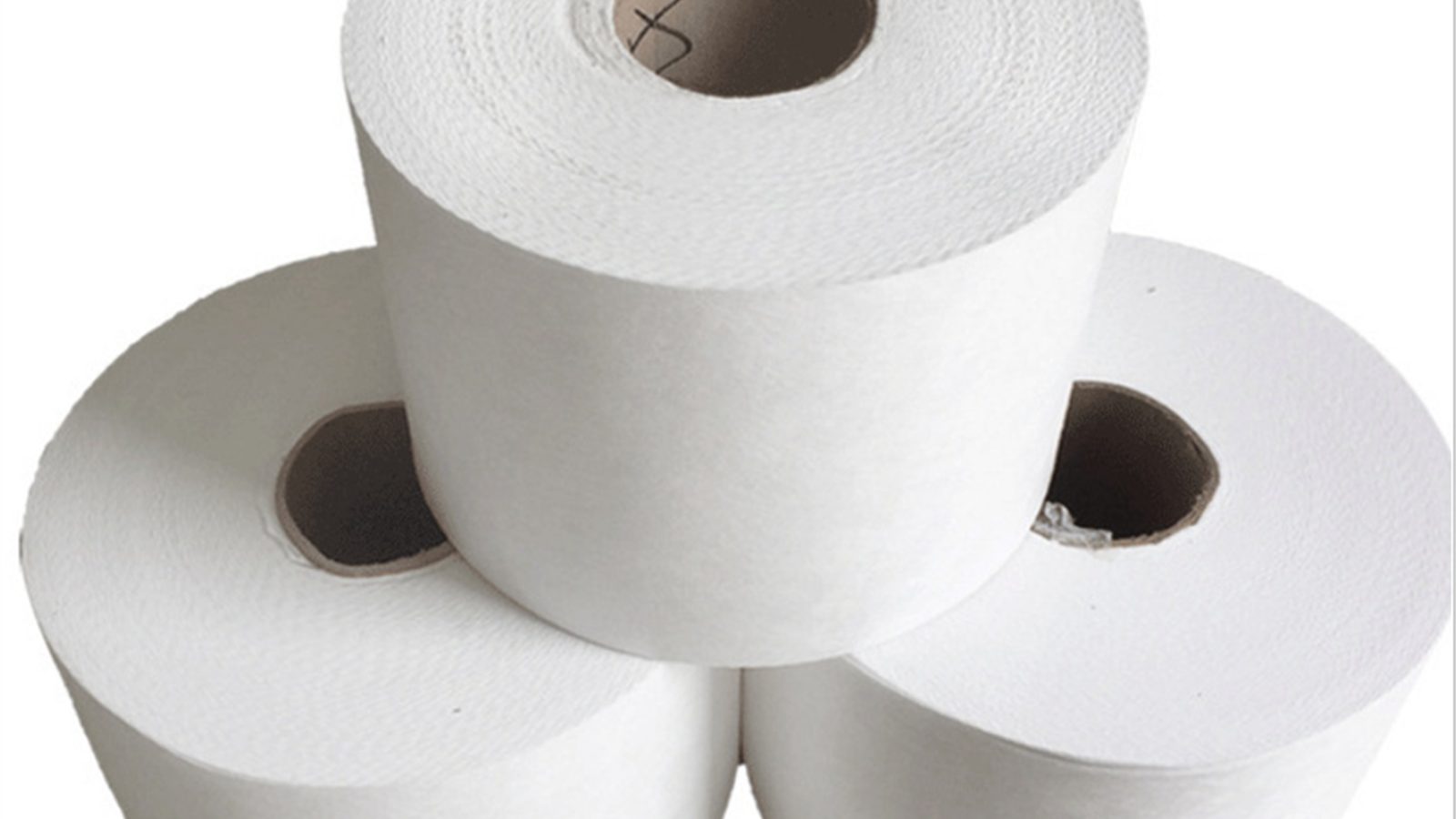
Specification
Reading a nonwoven specification: gsm, width, roll diameter
Four numbers decide most of the price and most of the complaints: basis weight, width, roll diameter and splice count. They are also the four that buyers most often leave to the supplier to guess.
At a glance
Specification at a glance
| Parameter | What it controls | Typical range | What to state on the order |
|---|---|---|---|
| Basis weight (gsm) | Opacity, strength, cost per square metre | 15 to 150 gsm depending on process | Target and tolerance, for example 50 gsm plus or minus 3 |
| Width | Machine fit, waste, cut accuracy | Slit to any working width up to parent roll | Slit plan, plus and minus 2 mm |
| Roll diameter | Unwind time, handling, creasing | 400 to 1200 mm | Maximum your unwind can take |
| Core diameter | Chuck fit and tension control | 76 mm or 152 mm typical | Core size and material |
| Roll length | Changeover frequency | 500 to 5000 m | Length and whether it is measured or nominal |
| Splice limit | Machine stops and waste | 0 to 2 per roll | Maximum splices and how they are marked |
| Winding direction | Which face runs out first | Inside or outside | Face out or face in |
Basis weight, and why the tolerance matters more than the number
Two suppliers can both quote 50 gsm and behave differently, because the tolerance behind the number is different. A plus or minus 5 percent band at 50 gsm is 2.5 g either way, which is visible in opacity and in lotion hold. A tighter band costs more, because more rolls are rejected at the winder.
Ask for the tolerance in grams, not percent, and ask how it is measured: on line, in the lab, or averaged across a batch. Averaged figures hide the variation that causes complaints.
Width: the number that decides your waste
Parent rolls are slit to your working width. Slit accuracy matters more than buyers expect: two millimetres of drift is invisible in a warehouse and fatal on an automated line that seals to an edge. State the tolerance and the edge condition, trimmed or untrimmed.
If your product is nested or die cut, the slit plan should follow the die, not the other way around. Send the layout and the waste allowance will be obvious.
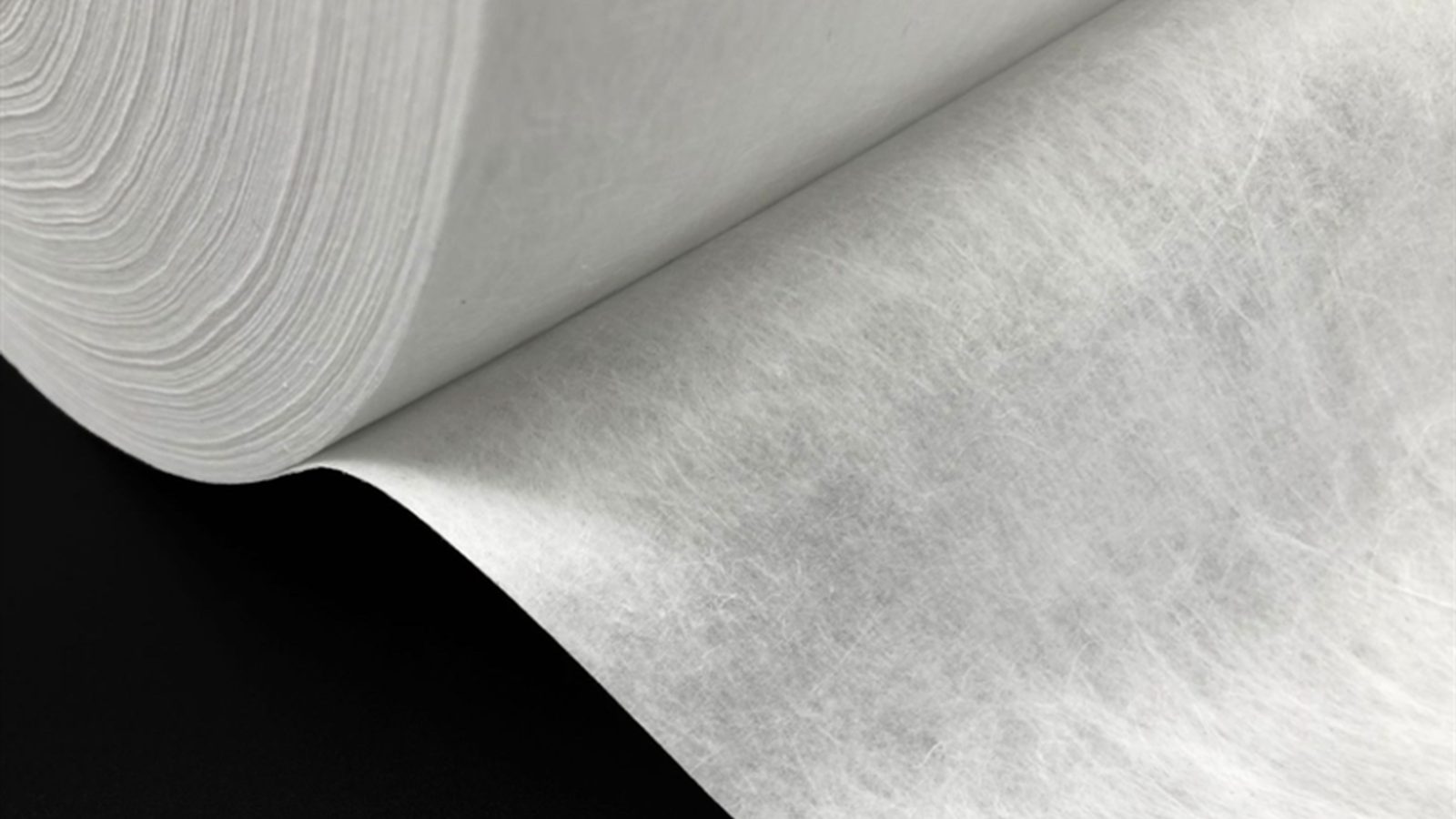
Roll diameter and the habits of unwinds
A large roll means fewer changeovers and less waste at the core. It also means more tension at the outside of the roll, more risk of creasing in a humid container, and a handling problem if the customer's unwind cannot take the weight.
Tell us the maximum diameter and weight your chuck can take, and the roll will be built to it. A roll that is too heavy to lift is not a discount, it is a delay.
Splices, and the honest conversation
Every winder produces splices. The question is how many per roll and how they are marked. A splice that arrives mid run on a high speed line stops the machine, so the limit belongs in the order confirmation, not in a supplier's general terms.
How a spec sheet turns into a price
Price per kilogram hides the three costs that actually drive the quote: the weight per square metre, the waste from slitting, and the packing. A grade run at 50 gsm that wastes 8 percent in slitting is more expensive per usable square metre than a 55 gsm grade that wastes 2 percent. A pallet that loads 1.8 tonnes instead of 2.2 tonnes costs freight on every shipment.
Ask for the quote in cost per thousand square metres delivered, and the comparison between suppliers stops being a comparison between two different products.
The parameters buyers forget to write down
Winding direction, core material, label content, splice marking and the humidity at packing. None of them appears in a typical inquiry, and each one can stop a line or cause a claim. A label that does not carry the batch code makes the whole traceability chain decorative, no matter how good the fabric is.
Tell us the application and the acceptance test
The reply names a grade we can run, the tolerance we can hold and a lead time, or says plainly that we cannot make it.
Questions
Common questions
Can you hold a plus or minus 2 g tolerance?
On a locked grade running regularly, yes. On a new grade the first run establishes what the line can hold, and the tolerance is confirmed after the trial rather than promised before it.
What if I do not know my unwind limit?
Send the machine make and model, or a photograph of the unwind with a tape measure in frame. We will propose a roll diameter and weight that fits.
Do you charge for slitting?
Slitting is part of the quoted price when the slit plan is standard. A non standard plan with high waste is quoted separately so the cost is visible.