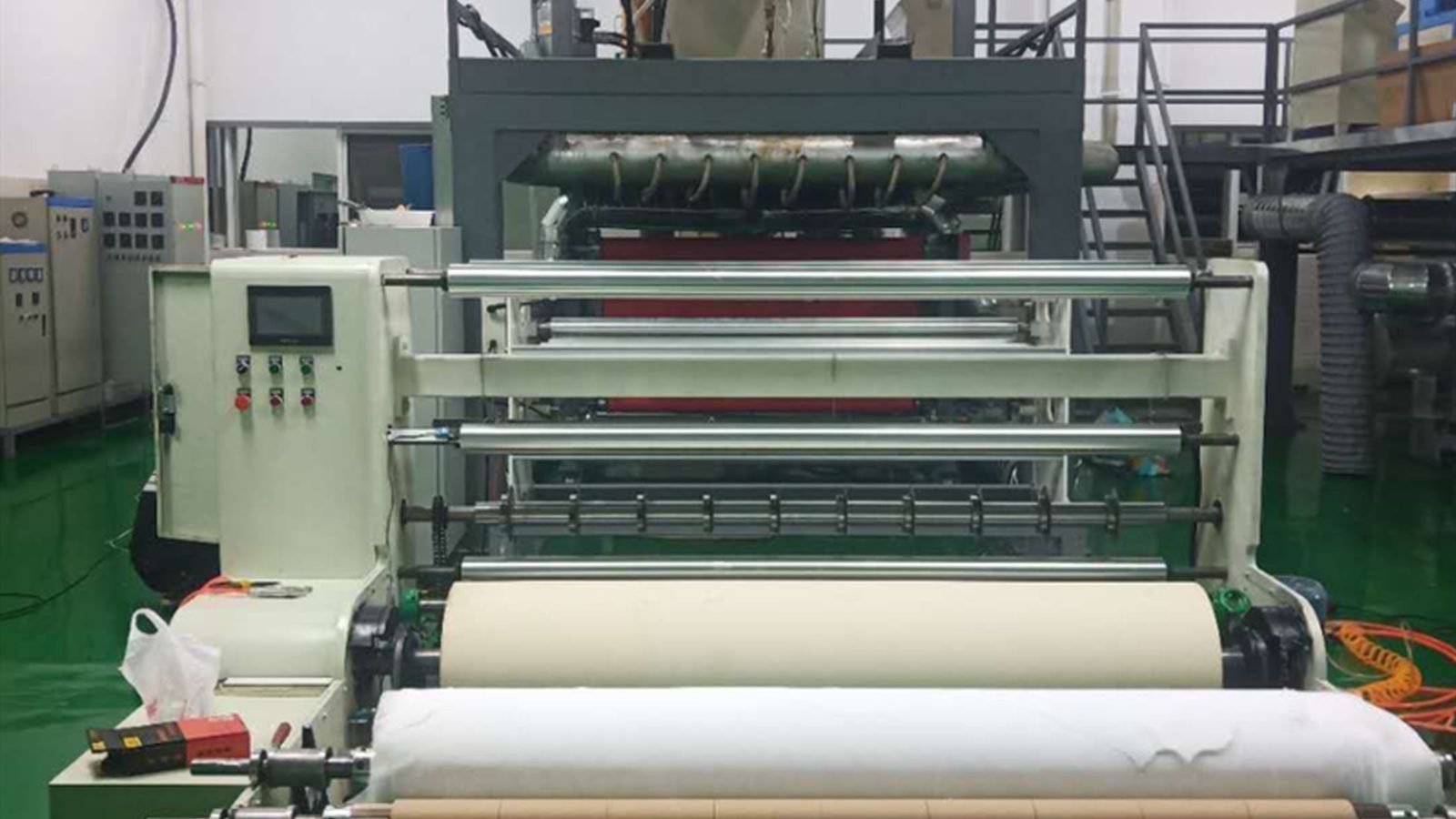
Company
Seven lines, 70 tonnes a day, and a plan for every order
Capacity is the easy claim and the hard part. What decides whether your container ships on time is which line the grade lands on, how the slitting is scheduled and what the packing has to survive between the plant and your unloading bay.
At a glance
Specification at a glance
| Process | What it gives the buyer | Typical use |
|---|---|---|
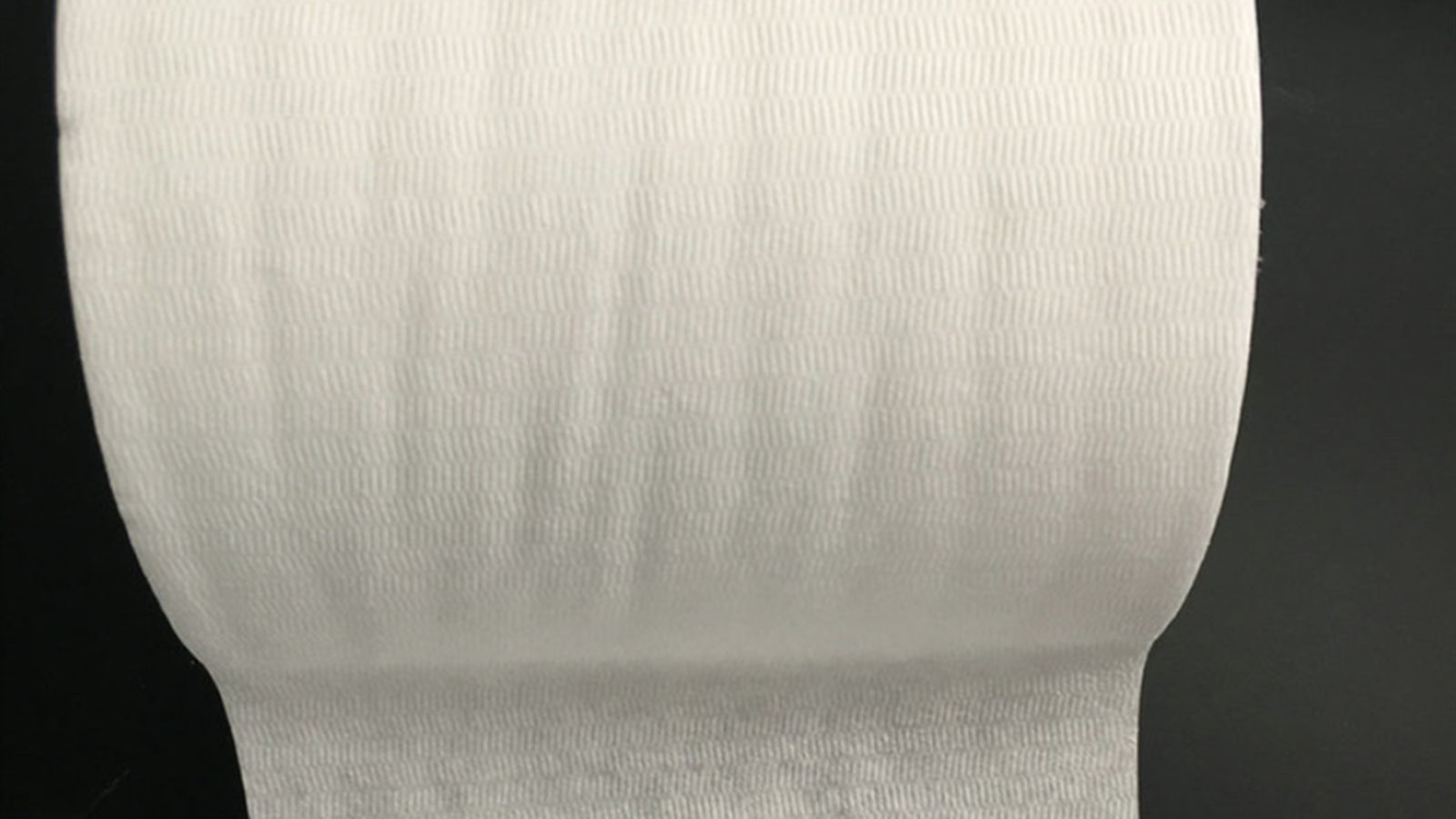
| Spunlace | Soft, absorbent, low lint, drapeable | Wipes, personal care, medical |
| Spunbond | Strong, stable, economical at higher gsm | Agriculture, packaging, furniture |
| ES hot rolled | Smooth bonded surface, soft hand | Hygiene topsheet, covers, interleaving |
| Bicomponent | Bonded with a low melting sheath | Medical, filtration, soft durable webs |
| Composite (SMS) | Barrier plus strength in one sheet | Drapes, gowns, protective articles |
Four process routes under one roof
Spunlace entangles a carded web with high pressure water jets: no binder, a soft hand, low lint. Spunbond extrudes filaments and lays them directly into a web: strong, stable, cheap per square metre at the heavier weights. ES hot rolled cards an ES web and bonds it through a heated calendar: a closed surface, a soft hand, a clean edge. Bicomponent uses a sheath-core fibre so the bond forms at a temperature the core survives.
Which line a grade lands on is decided at order confirmation. That is why two fabrics with the same gsm can carry different lead times.
Slitting, winding and the numbers that cause complaints
Slit width, roll face flatness, core diameter, splice count and roll length are set on the order, not at the winder. A 2 mm width drift is invisible in a warehouse and fatal on an automated pocket line. Splices are limited per roll because a splice that arrives at the wrong moment in a converting run is the most common cause of a stopped machine.
Every roll is labelled with grade, gsm, width, length and batch, so a fault can be traced to a batch instead of quarantining a container.
Packing built for the route, not for the photo
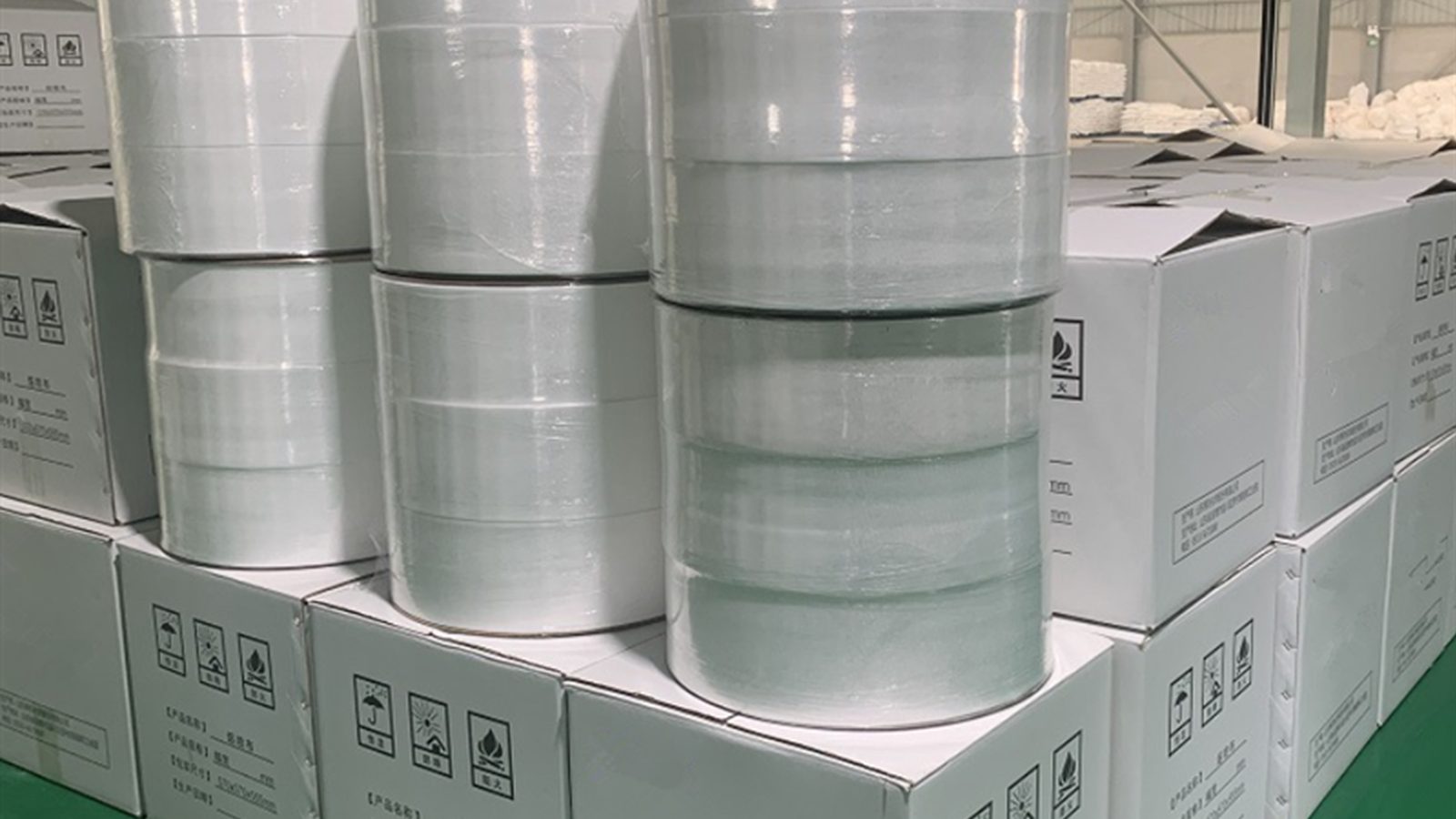
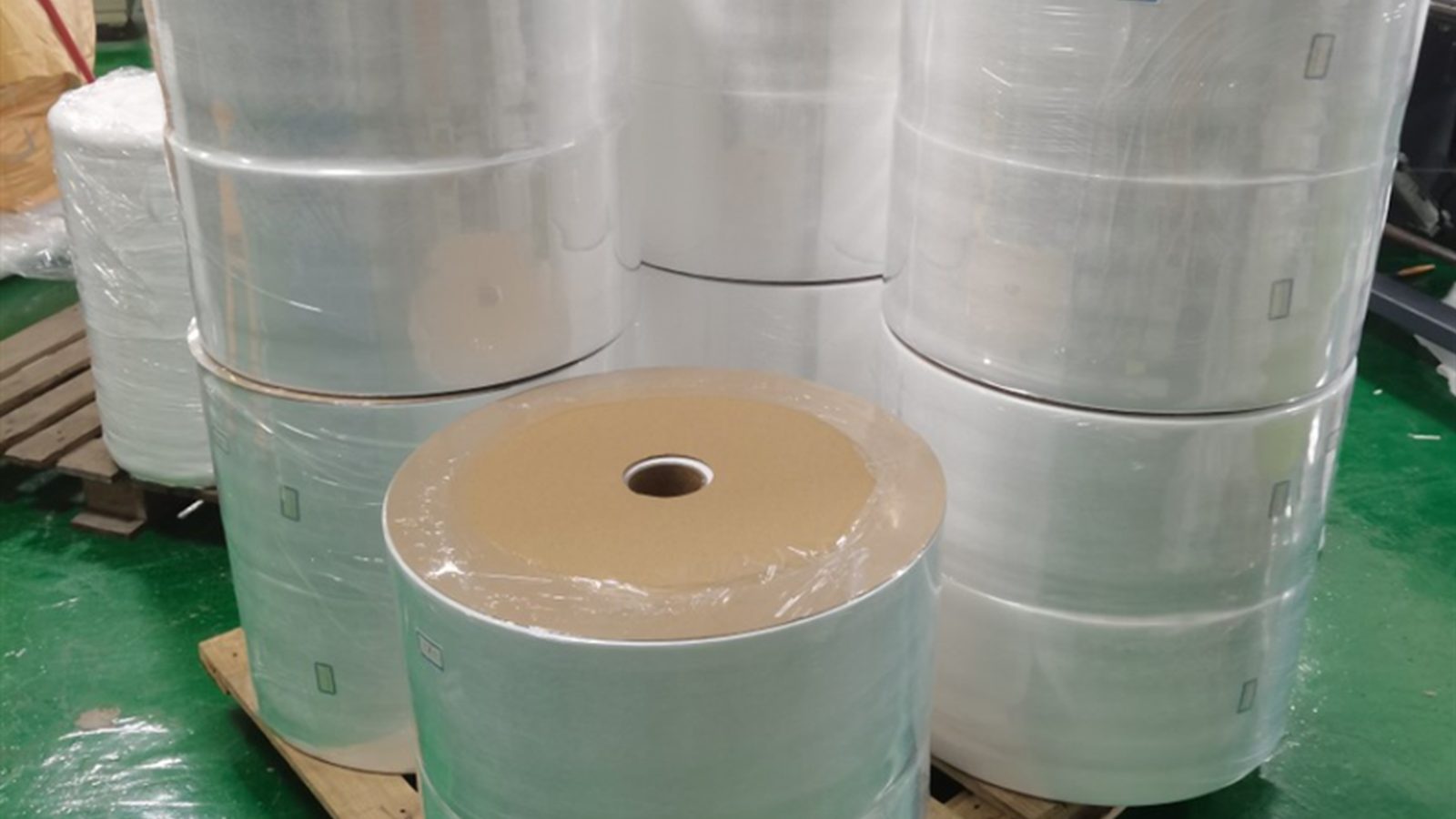
Rolls are shrink wrapped on pallets or cartoned, with edge protection where the handling chain is rough and desiccant where the container crosses a humid season. Pallet footprints are planned against the container so that loading does not waste the last two metres.
If the buyer unloads with a fork that cannot reach a pallet height, that is a packing decision, not a complaint after arrival.
Scheduling a programme
Repeat orders are scheduled against a rolling forecast so the line is not re set for a grade that runs every month. New grades need a trial slot, which is why the first order of a new specification takes longer than the fourth.
When a buyer asks for four containers a month, the answer is a date, a line and a trial plan, or an honest no for that month.
Tell us the application and the acceptance test
The reply names a grade we can run, the tolerance we can hold and a lead time, or says plainly that we cannot make it.
Questions
Common questions
What is the typical lead time?
A running grade with stock or a scheduled slot is usually two to three weeks to loading. A new grade needs a trial, so allow four to six weeks including the sample approval. Peak season adds time and we will say so before you book the vessel.
Can you hold stock for a programme?
For accounts with a rolling forecast, yes, within the warehouse space available. It is agreed per account rather than offered as a standard service.
Do you run third shift?
When the order book justifies it. Overtime is scheduled on request, and the cost is quoted openly rather than buried in the unit price.
What is the maximum roll diameter?
It depends on the grade and the winder. Tell us the unwind limit of your machine and the roll will be built to it, including the core size.