Application guide
Choosing agricultural nonwoven: cover, fleece or shade
Three different jobs get called agricultural fabric. Weed suppression needs opacity and strength, frost protection needs loft and light transmission, shading needs a defined shade rate. The wrong one fails in the first season, not the third.
At a glance
Specification at a glance
| Use | Typical gsm | Key property | Expected life |
|---|---|---|---|
| Weed suppression mat | 70 to 120 gsm | Opacity, tensile, UV stabiliser | 2 to 4 seasons |
| Crop fleece | 17 to 30 gsm | Loft, light transmission, air permeability | 1 season |
| Shade cover | 40 to 90 gsm | Shade rate, tear strength | 2 to 3 seasons |
| Tree guard or wrap | 50 to 90 gsm | UV life, flexibility | 2 to 4 years |
| Greenhouse lining | 30 to 60 gsm | Light diffusion, condensation control | 3 to 5 years |
Life is a specification, not a hope
UV stabiliser loading decides service life more than thickness does. A heavier fabric with a weak stabiliser cracks before a lighter fabric with a proper one. Ask for the stabiliser level and the accelerated ageing data behind the life claim, and compare per season rather than per square metre.
In Gulf conditions, unstabilised PP can fail in a single summer. The difference between 12 and 36 months of life is chemistry, not weight.
Opacity, permeability and the microclimate
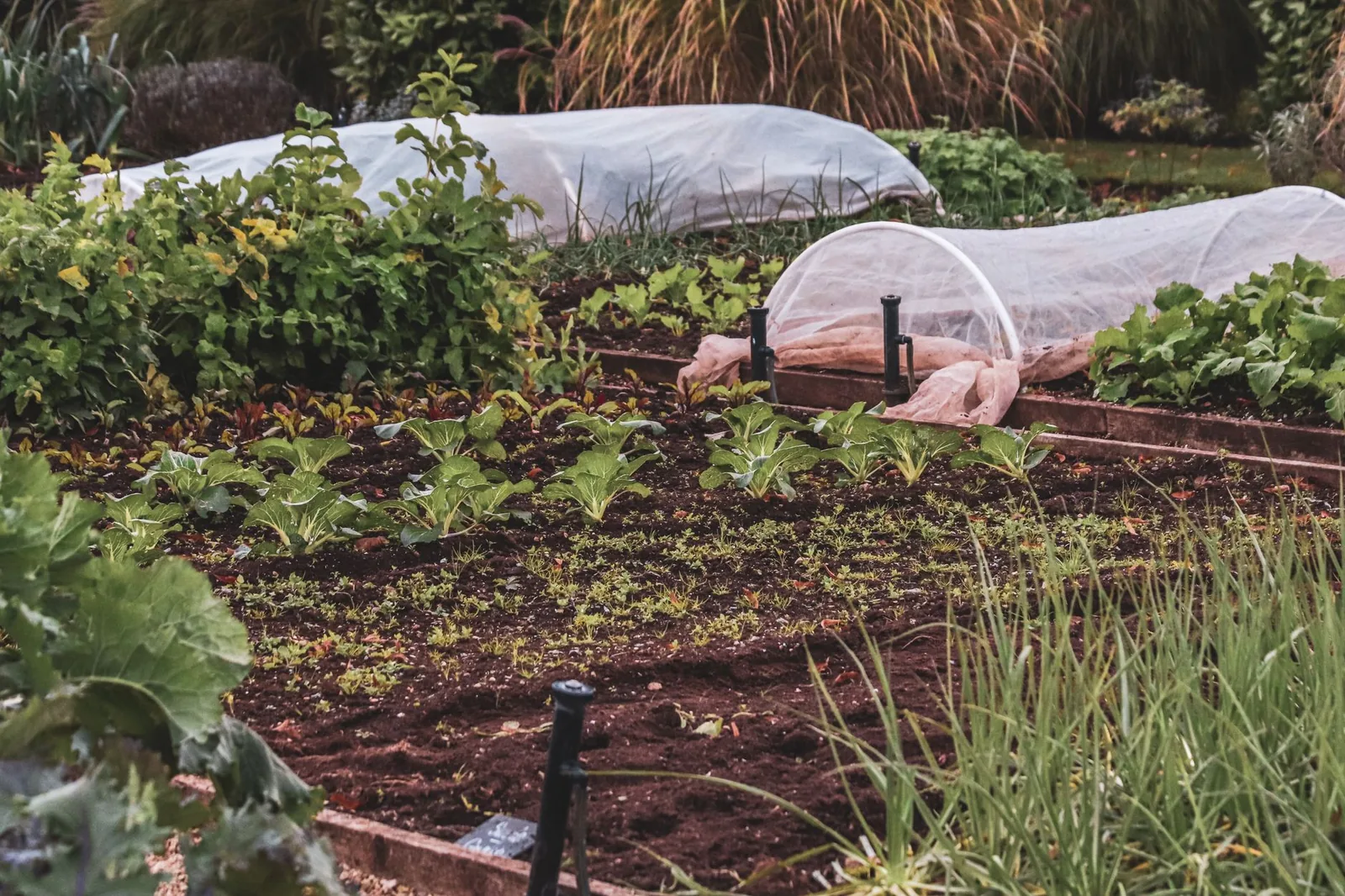
Weed suppression is about light, so black is not decoration. Frost protection is about trapped air, so loft and permeability matter more than weight. Shade is about the percentage of light blocked, and a fabric that also blocks air can cook the crop underneath.
Say what the cover has to do, in one sentence, and the grade follows. Say only the gsm and the supplier is guessing.
Installation decides the claim
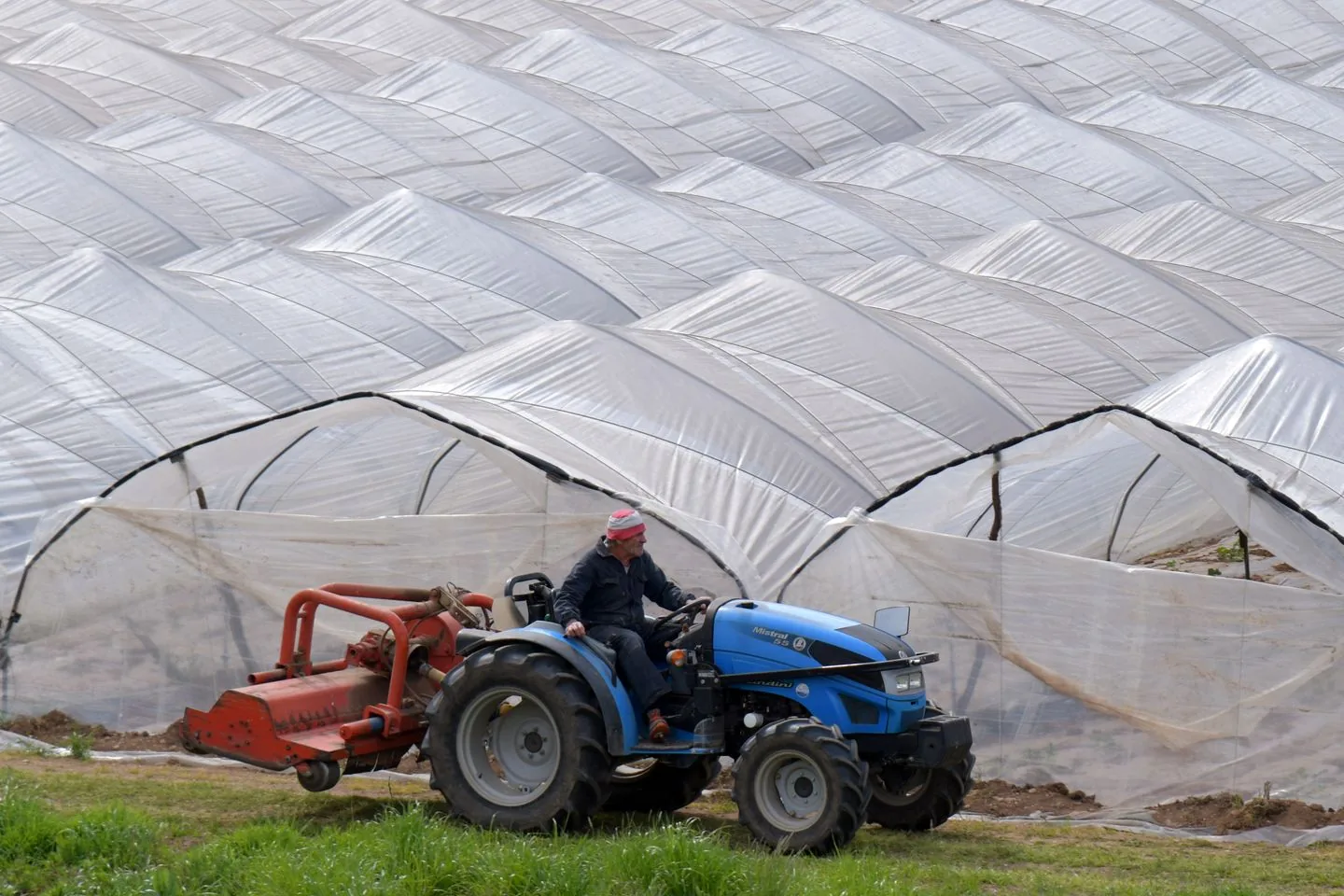
Most field failures are mechanical: torn at the anchor point, abraded on a stake, cut by a machine. Edge reinforcement and correct tensioning extend life more than a heavier grade in many cases. If the fabric is installed by the buyer's crews, the installation method belongs in the specification.
Cost per season, not cost per roll
Compare two covers by dividing the price by the seasons they last. A light unstabilised fabric that costs less and fails after one summer can be twice the annual cost of a heavier stabilised grade. The calculation is simple and almost never done in the quotation comparison.
The second variable is installation: a cover torn at the anchor in month two has a one season life regardless of its chemistry.
Colour, light and the crop underneath
Black blocks light and suppresses weeds; white diffuses light and protects from frost; translucent green or grey shades without cooking. The choice is agronomic before it is commercial, and the fabric follows the agronomy.
Tell us the application and the acceptance test
The reply names a grade we can run, the tolerance we can hold and a lead time, or says plainly that we cannot make it.
Questions
Common questions
What life can you guarantee?
Service life claims are made against the ageing test for that grade, in the conditions tested. Ask for the report and the test conditions before you repeat the claim to your own customers.
Is black better than white for weed control?
Black for suppression, because opacity matters. White or translucent for light diffusion and frost protection, where blocking light is not the goal.
Can the fabric be sewn or welded?
Both are possible depending on the grade. Tell us the joining method and the seam strength you need, and the grade is chosen to suit it.