
Nonwoven fabric by application
The same process family behaves differently in each end use. These pages describe what buyers specify, what fails in the field and which grade usually fits.
-
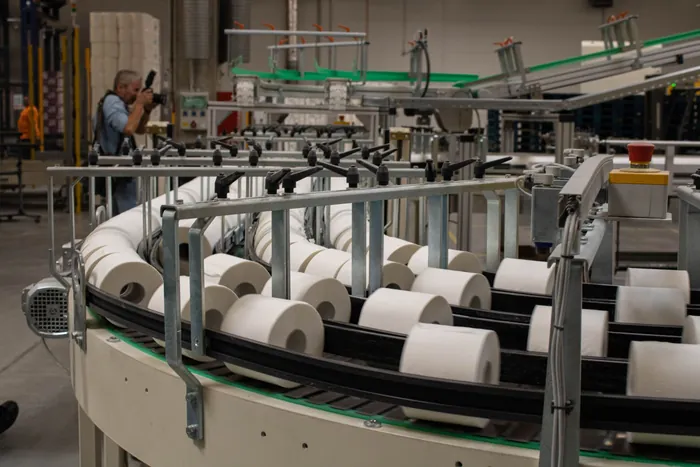 Wet wipes and personal care Spunlace for converters: fibre blend, gsm, lint, wet strength and lotion loading. Read more
-
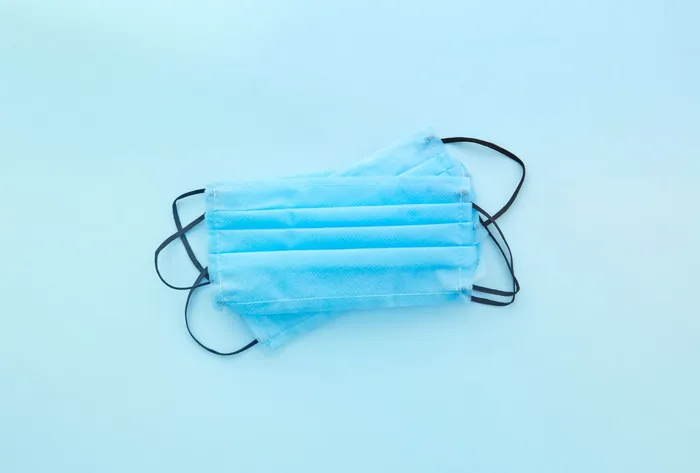 Medical and hygiene SMS and SMMS barrier layers, hydrostatic head, and the document boundary at the device. Read more
-
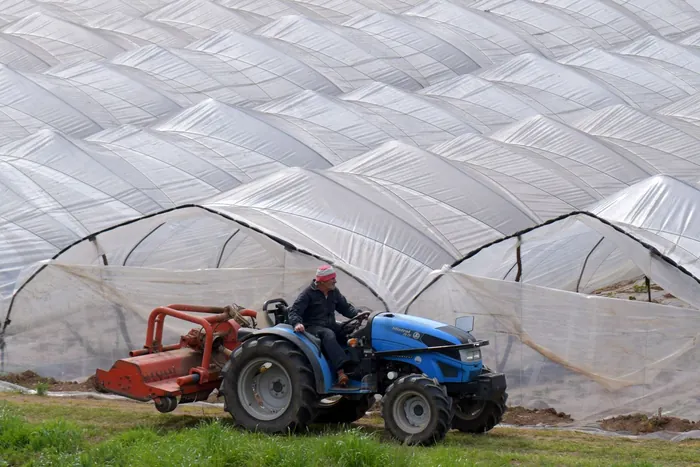 Agriculture UV stabilised covers for crop protection: ageing test, permeability and service life. Read more
-
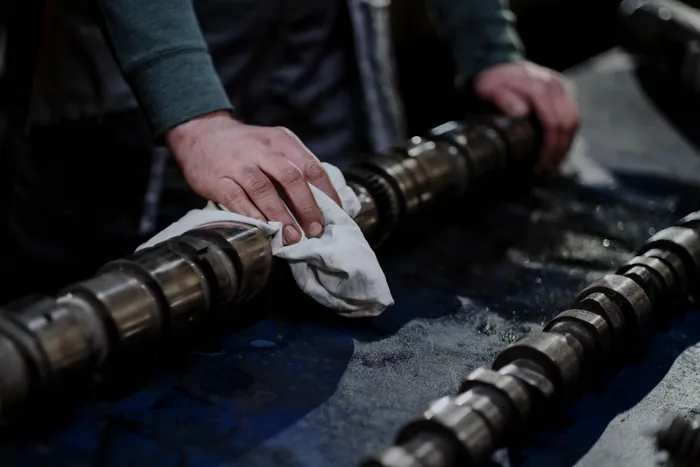 Industrial wiping Low lint material for workshops, oil, solvent and precision cleaning. Read more
-
 Mattress and furniture Pocket spring covers and furniture interlinings: tensile, elongation and running flat. Read more
-
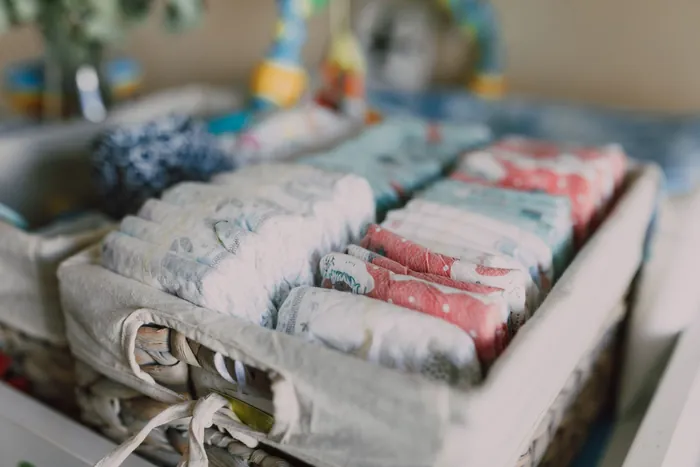 Disposable hygiene Topsheet, acquisition layer, backsheet and cuff grades for diapers. Read more
- Industrial filtration Filter media bought on efficiency and pressure drop together. Read more
At a glance
How the options compare
| Application | Material usually specified | The property that decides |
|---|---|---|
| Wet wipes | Spunlace, viscose or pulp blends | Lint and wet strength on the line |
| Medical barrier | SMS, SMMS, meltblown composites | Hydrostatic head against a named test |
| Agriculture | UV stabilised PP spunbond | Outdoor ageing evidence |
| Industrial wiping | Spunlace, sometimes spunbond | Lint and solvent resistance |
| Pocket spring | Spunbond, SMS | Tensile and elongation at low weight |
Why application pages beat product pages for buyers
A product page answers what the fabric is. An application page answers whether it will work in your line and your product. Buyers who know their process usually get a faster answer from the application page, and buyers who know their material start from products.
Either route ends at the same place: a specification confirmed on paper before a sample is cut.
Describe your end product
If your application is not listed, describe the product and the property that must pass.
Questions
Common questions
Can one fabric serve two applications?
Sometimes, and sometimes it looks like it will and then fails on the second converting line. The specification has to be written for the harder of the two.