Supply process
Samples and trial orders: what a sample should prove
A sample that arrives by courier proves almost nothing. It was cut from a roll that may have run six months ago, on a different line, at a different speed. A trial roll proves whether the grade runs on your machine.
At a glance
Specification at a glance
| Stage | What you get | Time | What it proves |
|---|---|---|---|
| Hand sheet or swatch | A4 to A3 size piece | Days | Colour, texture, hand feel at best |
| Sample roll | 50 to 300 m from a trial run | One to three weeks | Runnability on your line |
| Trial order | One pallet to one tonne | Two to four weeks | Batch consistency, packing, documents |
| Running order | Scheduled production | Two to five weeks | Supply at programme scale |
Why the sample roll matters more than the swatch
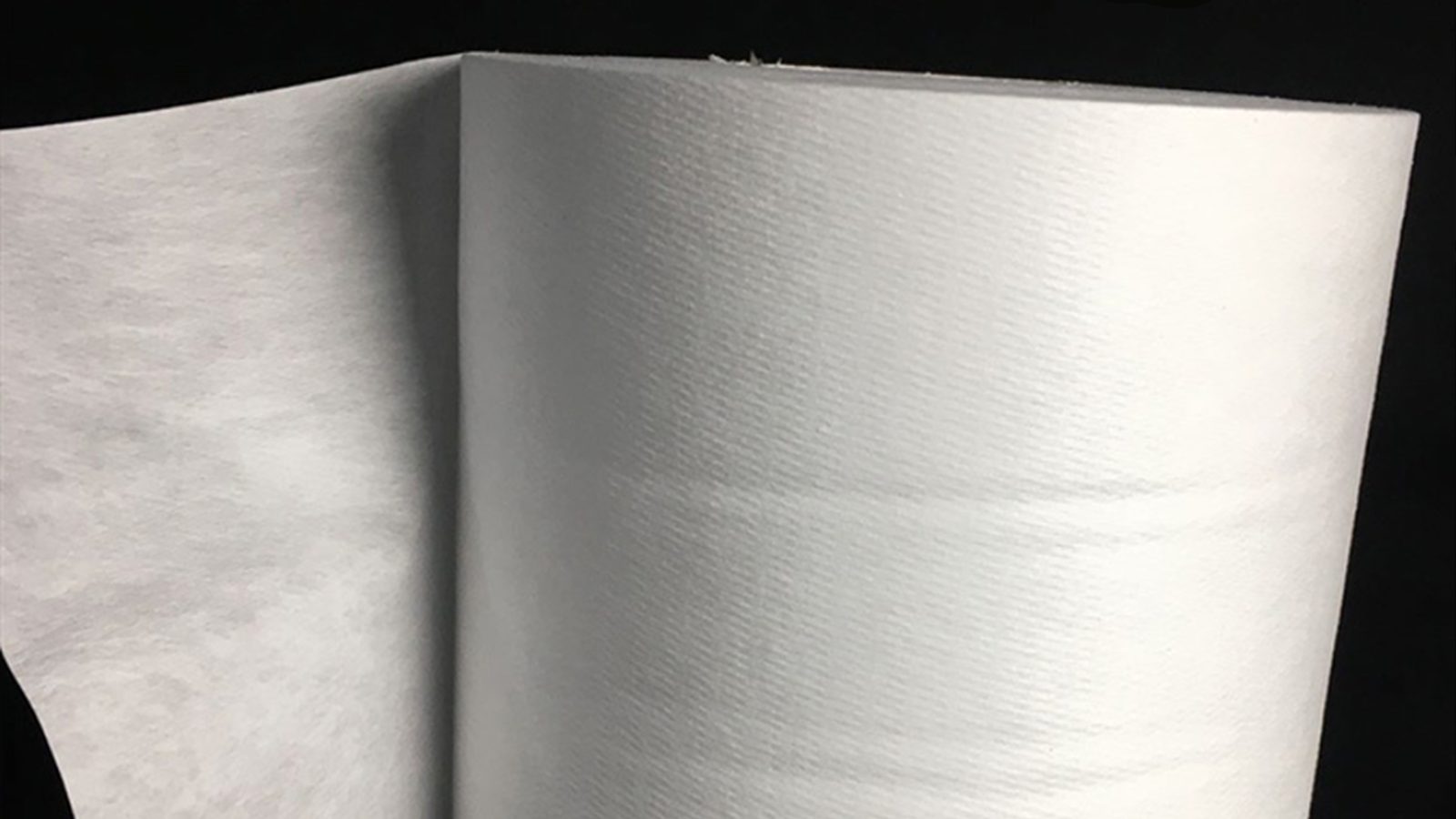
A swatch answers questions a buyer can see: colour, pattern, surface. A sample roll answers the questions that decide the order: does the web track, does it seal at your temperature, does it tear at the fold, does the splice arrive mid run. If the grade is new to you, ask for a roll.
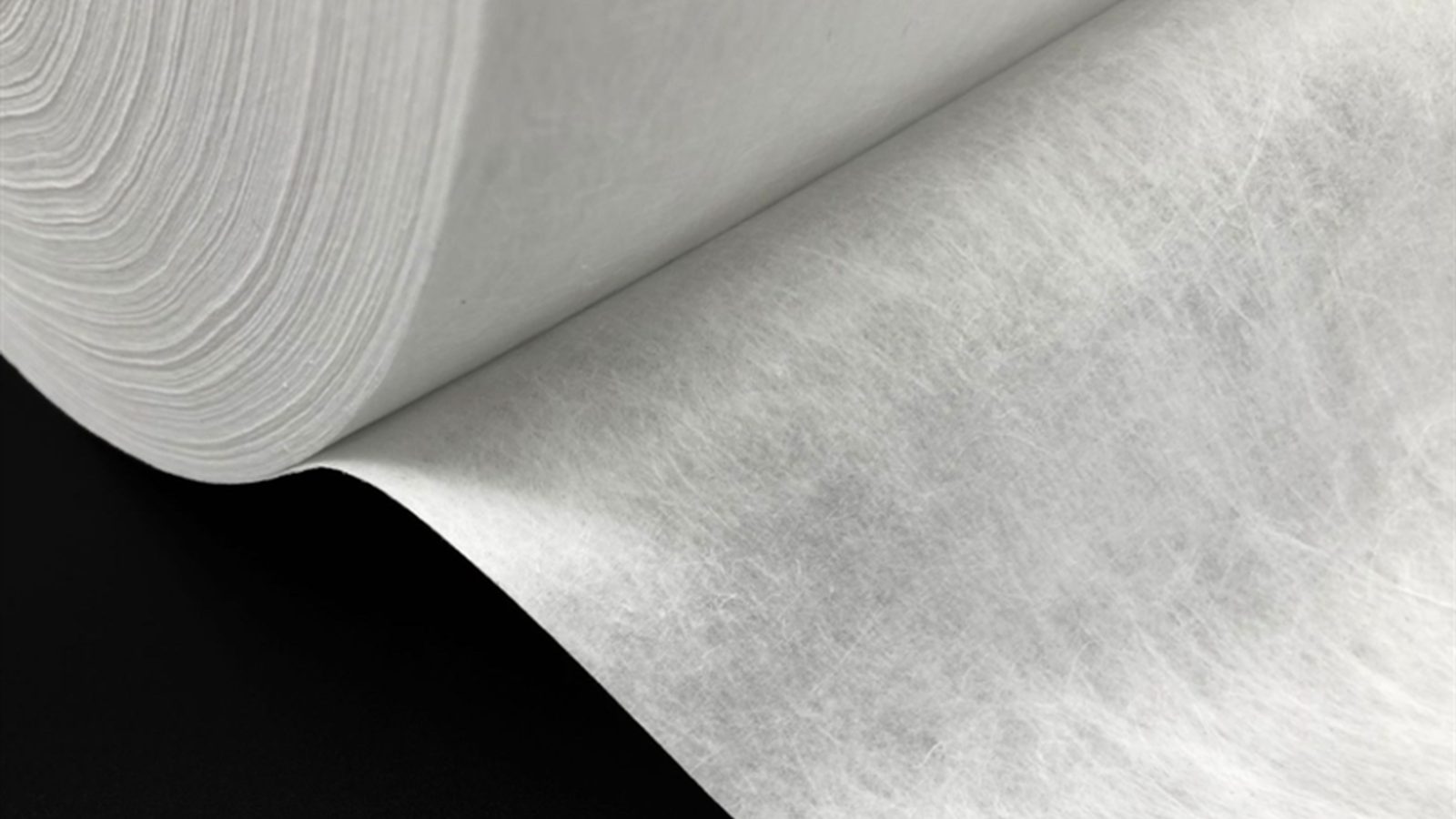
The roll should come from a production trial, not from a laboratory. Laboratory sheets are made slowly and hide the exact behaviour the line will expose.
What to test, and in which order
First runnability: does it pass through the machine without breaks, at the speed you need. Then the acceptance property: wet tensile, hydrostatic head, absorbency, bond strength, whichever your product is judged on. Then the commercial properties: roll length against the label, splice count, packing condition on arrival.
Testing the acceptance property before runnability is the most common waste of a trial. A fabric that passes the lab and stops the line has still failed.
What a trial order is for
A trial order proves consistency, not capability. One roll can be made well by accident; a pallet made across a shift tells you whether the line holds the tolerance. It also tests the unglamorous parts: labelling, packing, documents, and whether the container arrives without edge damage.
How long it really takes
A grade already running: sample within days, order within two to four weeks. A new grade: fibre or finish has to be arranged, a trial slot booked on the line, samples tested and approved, then the running order scheduled. Four to eight weeks is realistic and six is typical.
Anyone who promises a new custom grade in ten days is either quoting a stock fabric or planning to learn on your order.
What a trial should cost, and what it should not
A trial roll is charged because it consumes line time and creates waste at start up. The price should reflect that, and it is usually credited against the first production order. What a trial should never cost is a specification change: if the sample arrives and the requirement moves, the trial has failed at the buying stage, not at the manufacturing stage.
Write the acceptance criteria before the sample ships. A trial with criteria is a decision; a trial without them becomes an opinion.
The paperwork that makes a trial useful
Batch reference, production date, line, gsm measured, width measured, splice count and the test results for the properties in the specification. With that, a result can be compared with the production batch later. Without it, the trial answers a question nobody can repeat.
Tell us the application and the acceptance test
The reply names a grade we can run, the tolerance we can hold and a lead time, or says plainly that we cannot make it.
Questions
Common questions
Do you charge for samples?
Swatches are free. Sample rolls are charged at a trial price plus freight, because they consume line time. The cost is credited against the first running order in most cases, agreed at quotation.
Can you send a sample to a third party laboratory?
Yes. Name the laboratory and the method, and the sample is sent there directly with the batch reference so the results can be matched to the production run.
How many samples can I have of different grades?
Two or three grades bracketing the specification is the useful number. Ten samples usually means the specification is not yet decided, and the choice becomes guesswork.