Quality
Pre-shipment inspection: the ten checks that matter
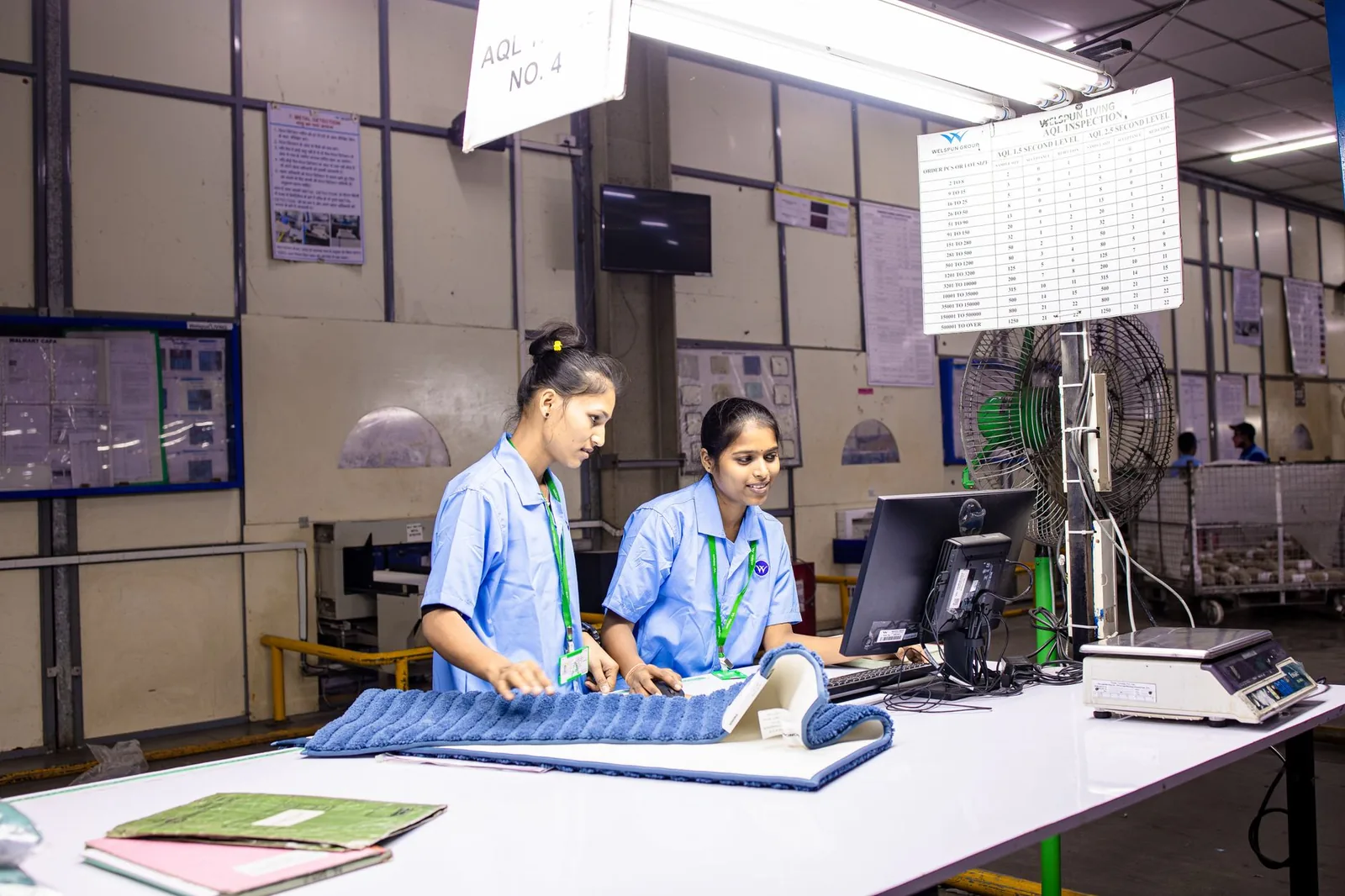
Most claims are settled by documents, not by opinion. An inspection that records measurements before the container closes turns a dispute into a correction, and it takes less than a shift.
At a glance
Specification at a glance
| Check | Method | Accept if | Record |
|---|---|---|---|
| Basis weight | Cut and weigh a known area | Inside the agreed tolerance | Sample weight and gsm |
| Width | Measure at three points per roll | Inside the slit tolerance | Width per roll |
| Roll length | Counter or meter reading | Matches the label | Length and label value |
| Roll build | Visual, both ends | No telescoping, no crushed core | Photograph |
| Splices | Count and position | At or below the limit, marked | Splice count per roll |
| Surface | Inspect under oblique light | No holes, streaks, contamination | Photograph of any defect |
| Labels | Read the label | Grade, gsm, width, length, batch present | Label photo |
| Packing | Check wrap, edges, pallet | No tears, protected corners | Photograph |
| Documents | Read the pack | COA, packing list, COO present and consistent | Document scan |
| Container | Check before loading | Dry, clean, no odour, dunnage in place | Photograph |
Inspect the batch, not the top roll
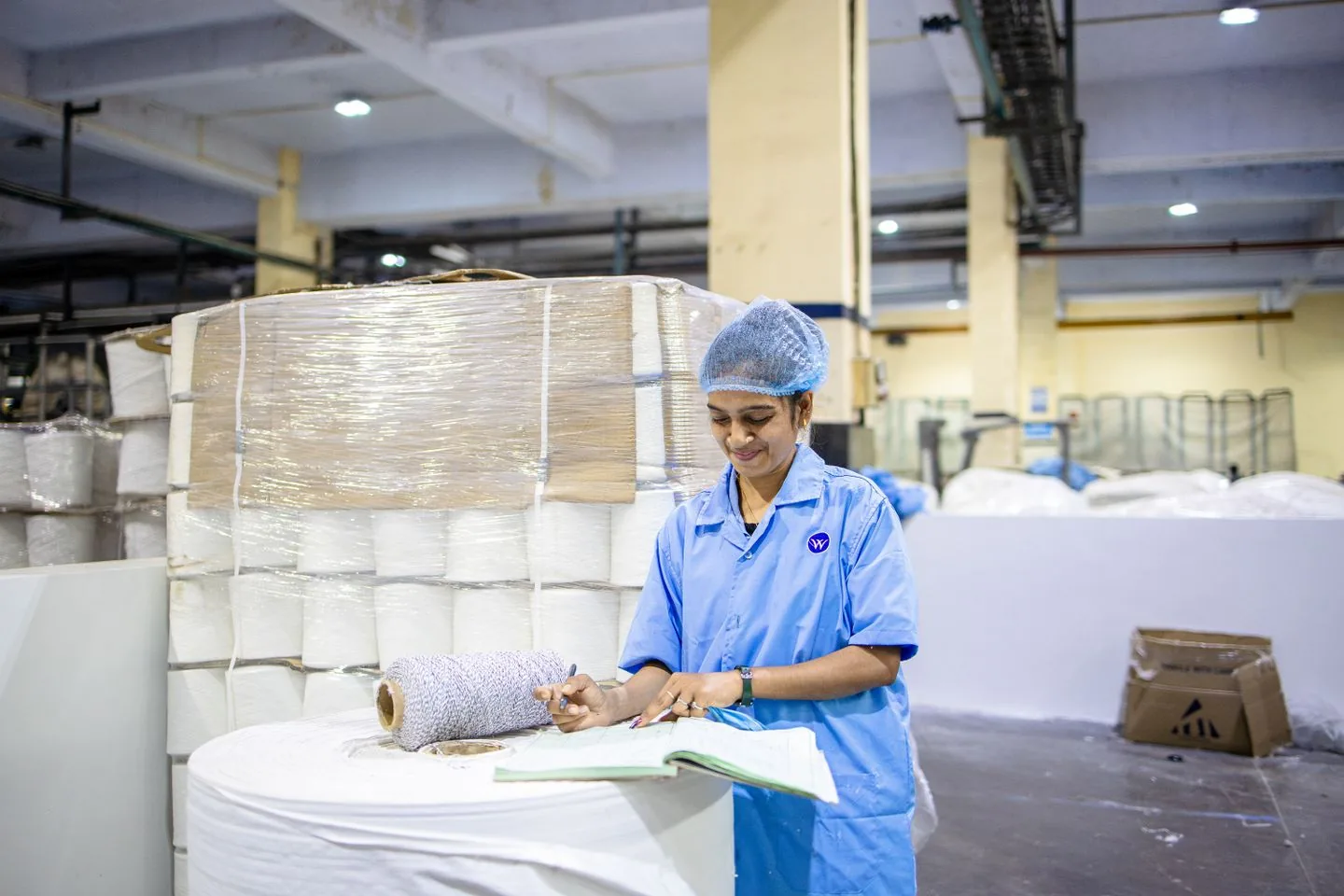
The top roll is the one the plant is proudest of. Sampling only from it measures the packing, not the production. Pull at least one roll from the middle and one from the bottom of a pallet, and record the batch code of each.
If a defect appears, the batch code tells you how far it spreads. That is the whole point of labelling, and it only works if the inspection records it.
Weight and width before anything else
Two measurements catch most of the expensive problems. Basis weight drift shows up as opacity and lotion hold complaints weeks later; width drift shows up as machine stops on the buyer's line the same day. Both are cheap to measure and impossible to fix after the container sails.
Documents are part of the product
A shipment without a consistent COA, packing list and certificate of origin is a shipment that may be delayed at the destination regardless of quality. Check that the batch on the COA matches the labels, and that the weights on the packing list match the container.
Who should inspect
For a first order, a third party inspector is worth the fee. For an established programme, an agreed self inspection record with photographs is usually enough, provided the record is honest. A buyer who never inspects is not saving money, they are deferring a cost.
What to do with a failed check
Stop loading and name the batch. A failed width check on the top roll may be a slitting error on one roll or a drift across the run; the batch code and two more rolls answer that question in ten minutes. A failed weight check usually means the whole batch, because the winder does not drift between rolls within a run.
Record the decision, not just the finding. The value of an inspection is in what it prevented, and that is only visible if the record says what was done.
Photographs that settle arguments later
Four images per shipment cover most disputes: the pallet before wrapping, the label close up, the roll end after unwrapping, and the container after loading. They cost nothing and they end the conversation about whether the damage happened before or after the port.
Tell us the application and the acceptance test
The reply names a grade we can run, the tolerance we can hold and a lead time, or says plainly that we cannot make it.
Questions
Common questions
Can you arrange a third party inspection?
Yes. Name the agency and the standard, and the inspection is booked against the production date. The report is shared with the buyer before loading.
What if the inspection finds a defect after loading?
The batch is quarantined at the destination and settled against the acceptance criteria in the order. This is why the criteria are written before the order, not after the complaint.
How long does an inspection take?
Three to five hours for a 40HQ of roll goods, including measuring and photographing. It should finish before the container is sealed, not after.