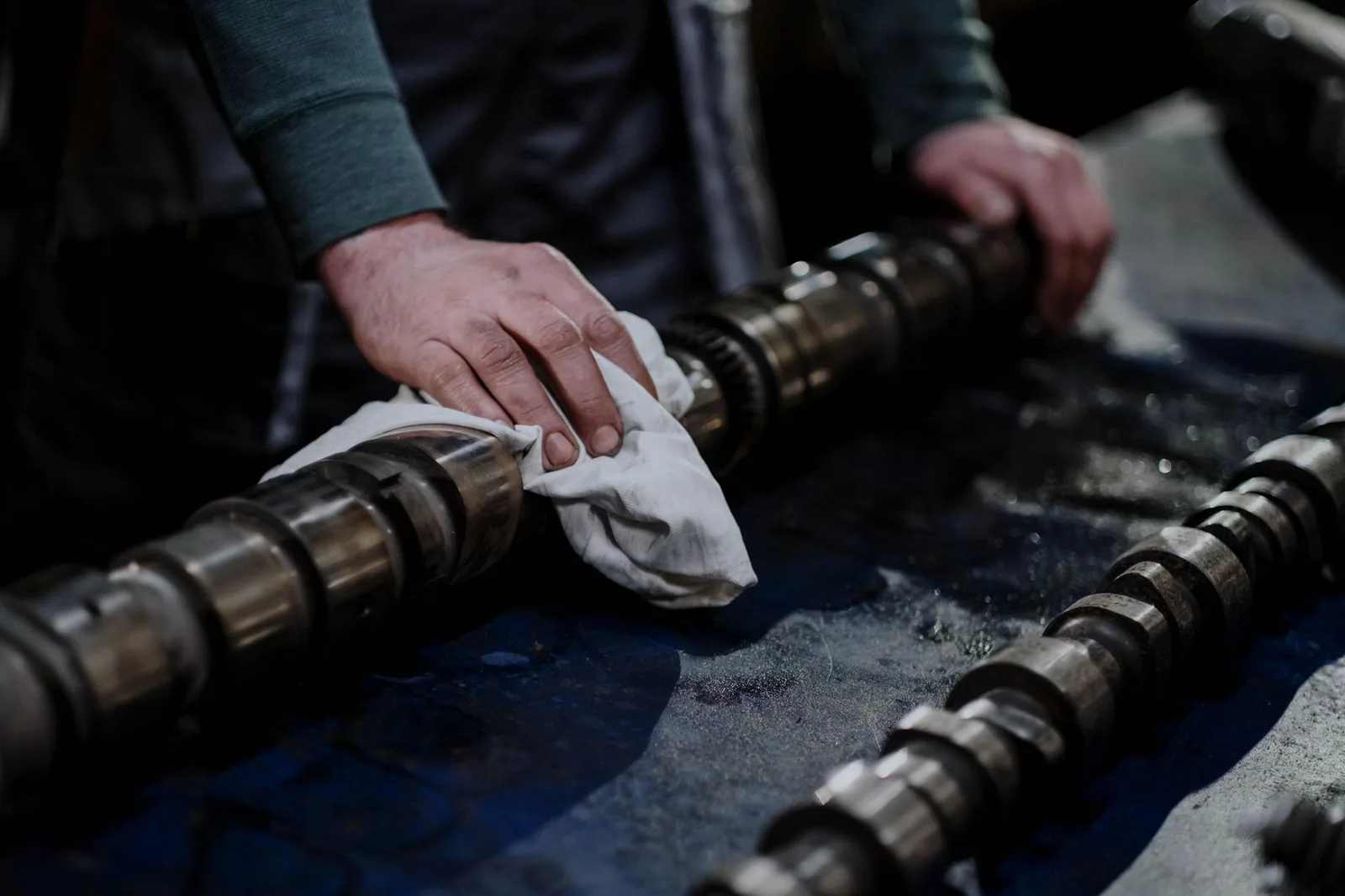
Nonwoven material for industrial wiping
Industrial wiping sells on absorbency, strength and lint. The buyer is usually replacing a woven rag or a paper product, and the failure mode is usually residue, not cost.
At a glance
Specification at a glance
| Requirement | Typical specification | Test to agree |
|---|---|---|
| Lint | Low lint for precision work | Wet and dry lint assessment |
| Absorbency | Oils, solvents, water | Absorption rate and capacity |
| Strength | Wet strength for wringing | Tensile when wet |
| Solvent resistance | Stable in the target solvent | Immersion test |
| Format | Roll, perforated roll, sheeted | Converting and packing |
| Weight | Light to heavy workshop grades | Cost per wipe |
Lint and residue decide the sale
In a workshop, a wipe that leaves fibres on the part costs more than the wipe. Spunlace is usually the right starting point because the entangled structure holds fibres better than a carded or needle punched fabric at the same weight.
Test wet, not dry. Lint behaves differently once the fabric is saturated with solvent or oil.
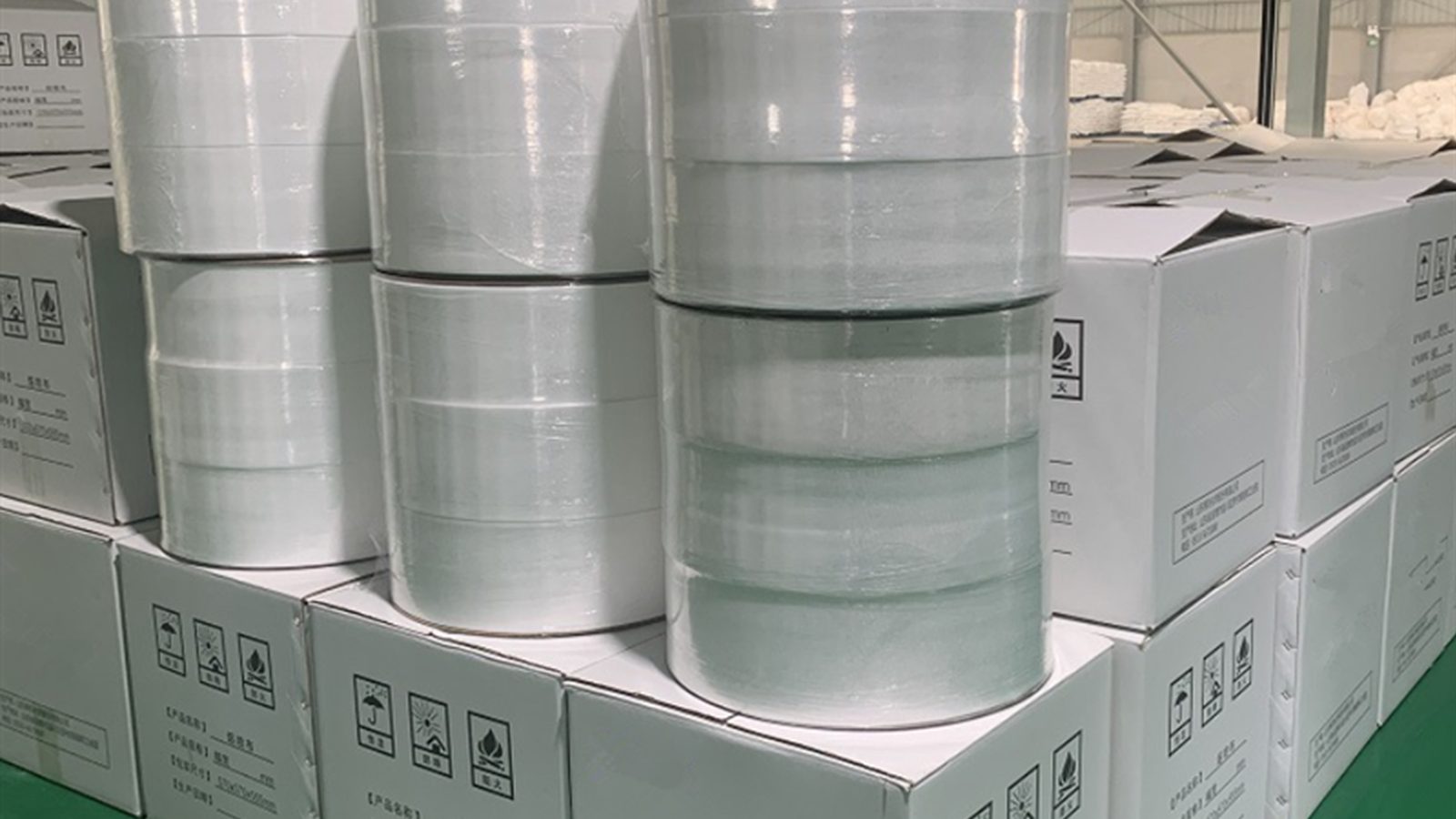
Solvent compatibility
Different polymers swell or soften in different solvents. A fabric that performs with water based cleaners can fail with a strong solvent, and the failure shows up as fibres transferring to the surface being cleaned.
Name the solvent in the enquiry. It is a specification input, not a detail.
Converting and format
Industrial wiping is sold by the wipe, so the converting format matters as much as the fabric: perforated roll, quarter fold, centre pull or plain sheet pack. Each format has a different strength and elongation requirement.
Tell us the format and the pack count. That combination sets the weight and the splice limit.
Name the solvent and the format
With those two plus the monthly volume we can propose a grade and a converting route.
Questions
Common questions
Do you supply the finished wipes?
We supply roll goods. Converting and packing are quoted separately, and only where the plant performing them is confirmed.
Which grade for oil absorption?
Heavier spunlace grades with a higher pulp or viscose content usually absorb more oil. Solvent compatibility still has to be checked per chemistry.
Can the fabric be pre-moistened?
Wetting and packing is a converting step, quoted separately from the roll supply.