Process comparison
Spunlace vs spunbond vs SMS: which process fits your product
Three processes, three different cost structures. Spunlace buys hand feel and absorbency, spunbond buys strength per gram, SMS buys a barrier that still breathes. Choosing wrongly is expensive in both directions.
At a glance
Specification at a glance
| Property | Spunlace | Spunbond | SMS / SMMS |
|---|---|---|---|
| Fibre origin | Carded staple fibre, water entangled | Continuous filament, laid directly | Spunbond layers with meltblown core |
| Hand feel | Soft, textile-like | Paper-like to slightly stiff | Paper-like, smooth |
| Absorbency | High, tunable by blend | Low unless treated | Low |
| Strength at low gsm | Moderate, balance depends on lay | High, especially machine direction | High, plus barrier |
| Lint | Low, the lowest of the three | Very low | Very low |
| Barrier | None to low | None | Good, alcohol and fluid repellency possible |
| Typical weight | 30 to 90 gsm | 15 to 150 gsm | 30 to 70 gsm |
| Cost per square metre | Highest of the three | Lowest | Middle to high |
| Typical use | Wipes, personal care, medical | Agriculture, packaging, furniture | Drapes, gowns, protective articles |
The short answer
If the product touches skin and has to absorb, it is spunlace. If it has to hold shape, hold weight or survive outdoors, it is spunbond. If it has to keep fluid out while letting air through, it is SMS. Everything else is a negotiation around those three answers.
The negotiation usually concerns cost. Spunlace costs the most per square metre because the fibre is carded and then entangled with high pressure water, and the water has to be filtered, heated and recycled. Spunbond skips the carding step entirely: filaments are extruded and laid in one movement, which is why it wins on cost at the heavier weights.
Where the boundaries blur
Two grades can look the same on a data sheet and behave differently in a machine. A 60 gsm spunbond and a 60 gsm spunlace can both quote 30 N/5cm tensile, but the spunlace will stretch further before it breaks and the spunbond will hold its width better under tension. On a converting line, that difference decides whether the web tracks straight.
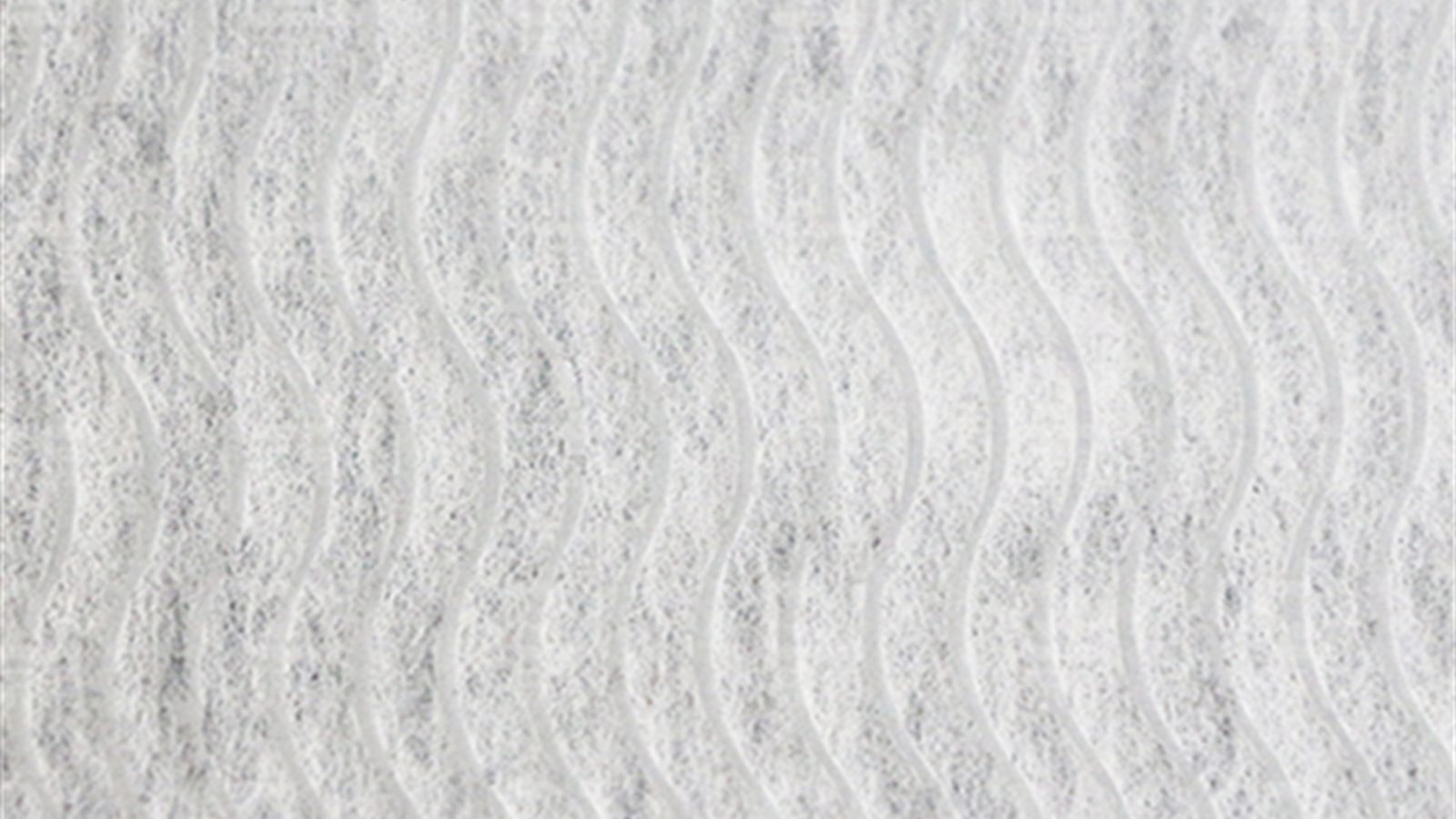
The other boundary is surface. Spunlace webs show the fibre texture and take print and adhesive well. Spunbond shows filament pattern and bonds reliably by heat. If your process heat seals, spunbond or SMS is usually the easier starting point.
What to send us
The application, the finished product, the machine that will run the fabric, the acceptance test and the target price per square metre. With those five we can tell you whether the answer is a process change, a blend change or simply a different tolerance.
If you are replacing a grade you already buy, send a sample. A photograph does not show hand feel, and hand feel is where most substitutions fail.
The cost structure behind the three prices
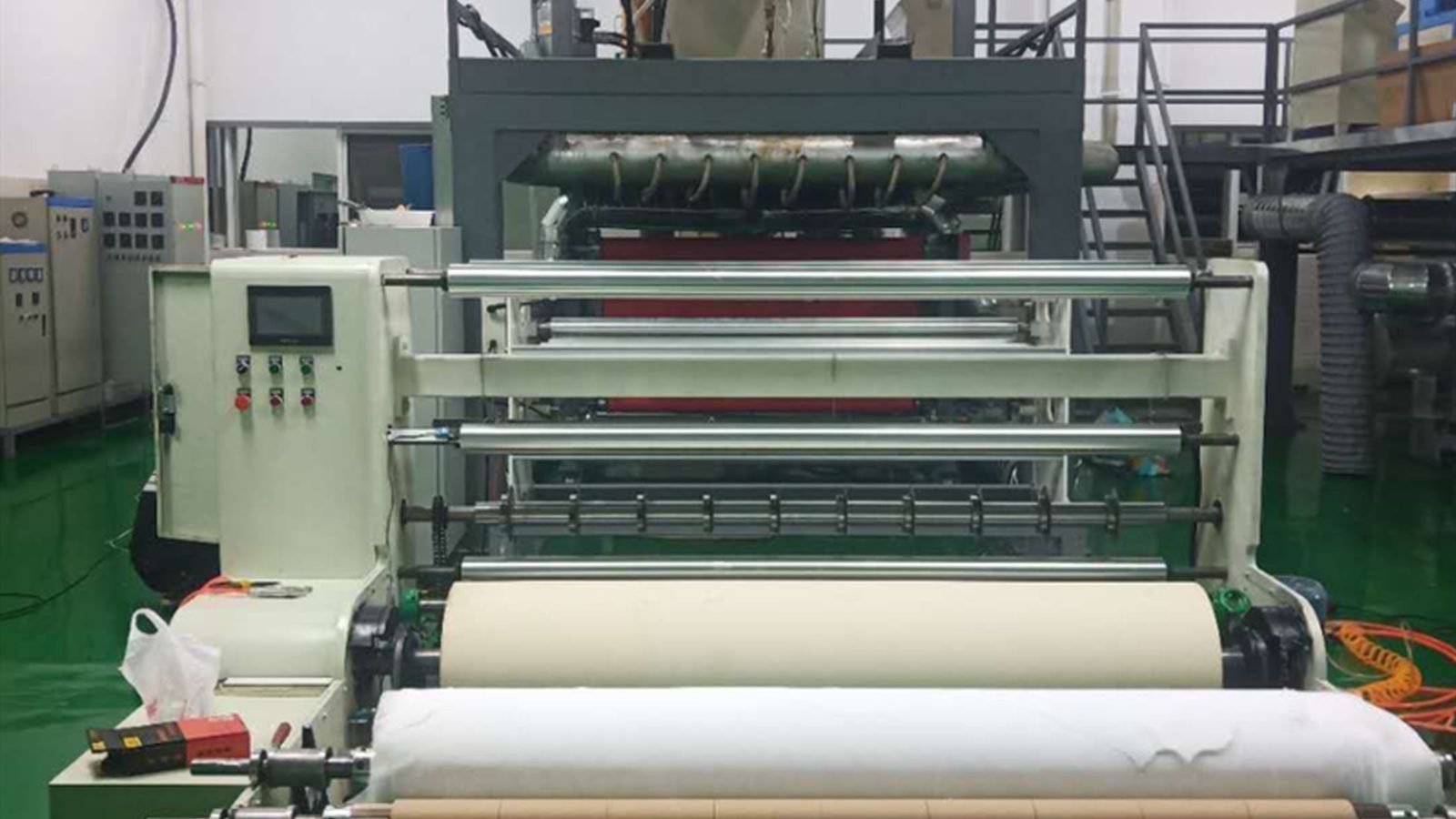
Spunlace carries the highest conversion cost: the web is carded, then entangled by high pressure water that has to be filtered, heated and recirculated, and the line runs slower than a spunbond line of the same width. Spunbond is cheap because filament extrusion and web laying happen in one continuous movement, with no carding and no binder. SMS sits between the two, and its price moves with the meltblown share, which is the expensive layer.
This is why a buyer who only needs strength should not be buying spunlace, and a buyer who needs absorbency should not be trying to make spunbond absorbent with a finish. A finish changes the surface; it does not turn a filament web into a carded absorbent one.
A selection matrix you can use in a meeting
Write the product requirement down the page and the three processes across the top, then mark pass or fail on four lines: skin contact, absorbency, barrier and heat sealing. If two processes pass, the tie breaker is the converting line, not the data sheet. If none pass, the answer is a composite, and the conversation moves to structure rather than to fabric.
That matrix also protects the buyer internally. A specification review that starts with a matrix ends faster than one that starts with three quotations and a spreadsheet.
Tell us the application and the acceptance test
The reply names a grade we can run, the tolerance we can hold and a lead time, or says plainly that we cannot make it.
Questions
Common questions
Can spunlace replace spunbond in an existing product?
Sometimes, but the machine usually decides. Spunlace is softer and stretches more, so a machine set for spunbond tension may need retuning. Ask for a trial roll rather than a substitution on paper.
Is SMS just spunbond with a meltblown layer?
Structurally yes: spunbond outer layers protect a fine meltblown core. The behaviour differs because the core controls barrier and breathability, and the outer layers control strength and converting.
Which process is cheapest for a simple cover?
Spunbond, at the same weight, in most cases. The exception is when a spunlace grade can be run lighter and still pass the acceptance test, in which case the cheaper fabric is the lighter one.
What gsm should I start at?
For wipes 40 to 60 gsm, for medical barrier 35 to 50 gsm, for agricultural cover 17 to 30 gsm, for spring pocket fabric 60 to 80 gsm. These are starting points, not limits.