
Supply process
MOQ and lead time: what actually drives them
Minimum order quantity is not a policy, it is arithmetic: the smallest run that pays for the line time, the waste at start up and the packing. Lead time is the queue behind that run. Both move when the grade moves.
At a glance
Specification at a glance
| Order type | Typical MOQ | Typical lead time | Why |
|---|---|---|---|
| Running grade, from stock | One pallet | 1 to 2 weeks | Only packing and documents |
| Running grade, scheduled | 1 to 5 tonnes | 2 to 3 weeks | Line slot plus transit |
| New grade, existing fibre | 3 to 5 tonnes | 4 to 6 weeks | Trial run, approval, then production |
| New grade, new fibre or finish | 5 to 10 tonnes | 6 to 8 weeks | Material lead time plus trial |
| Custom colour or embossing | 5 to 10 tonnes | 6 to 10 weeks | Tooling or cleaning between colours |
Why small orders are expensive, in real terms
Starting a line costs fabric. The first metres are off specification while weight, width and bonding settle, and that waste is charged to the run. A one tonne order carries the same start up waste as a ten tonne order, so the cost per tonne is higher, often visibly so.
The honest way to look at it is cost per square metre delivered, not price per kilogram. A cheaper grade with 8 percent waste at start up is not cheaper.
What shortens a lead time
Four things: using fibre already in the warehouse, using a bonding pattern already on the calendar, accepting the standard slit plan, and ordering against a forecast instead of a surprise. None of them require a discount negotiation, and together they can remove two weeks.
What lengthens it: a new colour, a new embossing roll, a finish that has to be validated, a destination that needs certification the plant does not hold yet.
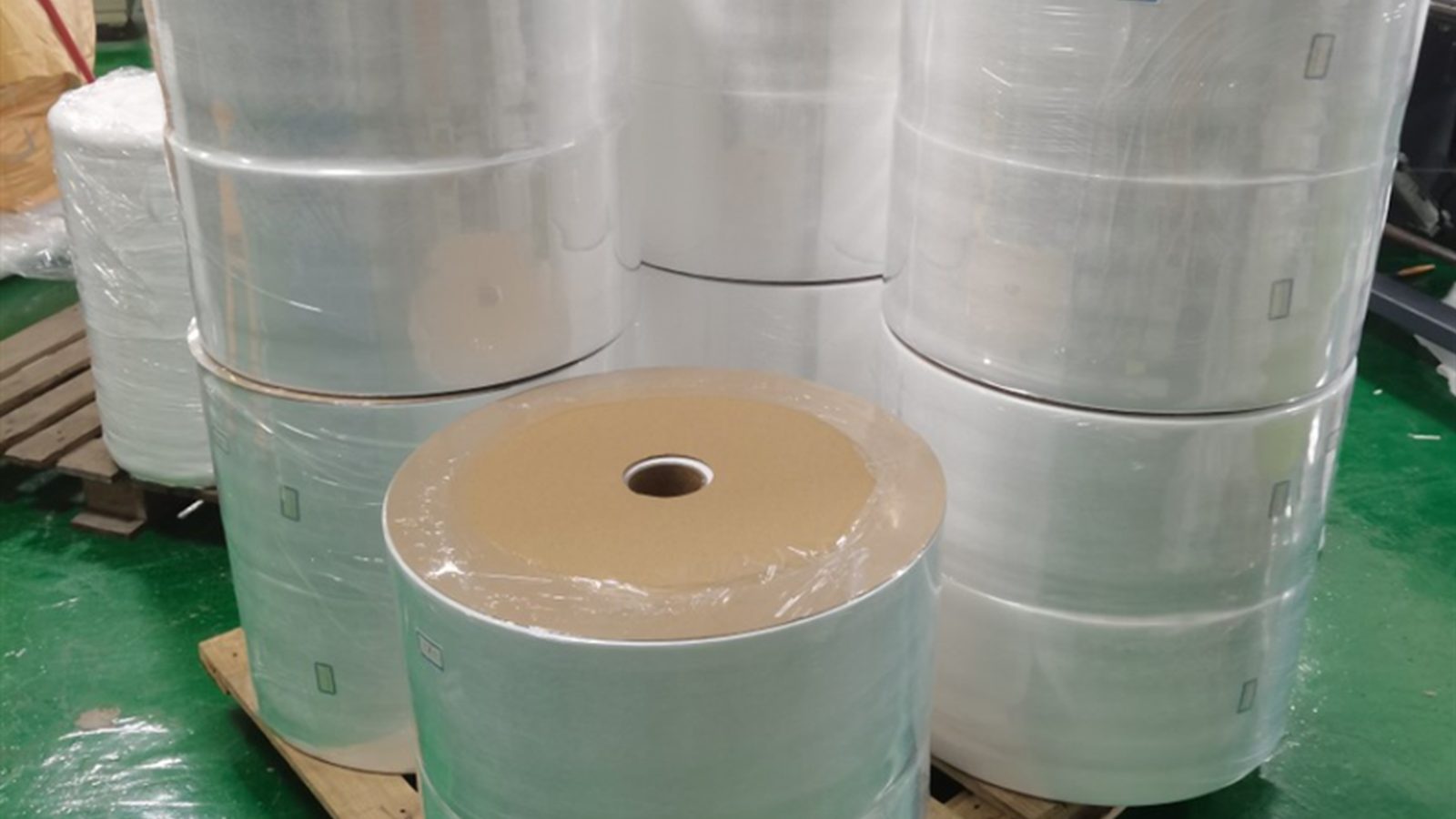
Planning a first order
Ask for a trial quantity and a running order price in the same reply. That way the decision is about the programme, not about the sample. If the programme is real, the trial cost is a rounding error; if it is not, the trial was the right size of risk.
Why two suppliers quote very different minimums
A minimum reflects the smallest run that is economic on that plant, not a negotiating position. A plant with a wide line and a long changeover needs more tonnes than a plant with a narrow line. A supplier quoting one pallet on a custom grade is either running it already or planning to make it on a line where your order is a rounding error.
Ask what the minimum includes: the trial, the packing, the documents, or only the fabric.
Lead time arithmetic
Add the fibre lead time, the trial slot, the sample approval, the production slot and the transit. For a new grade that is typically six weeks before the container is loaded, and the two weeks buyers forget are the approval and the booking. On a running grade, the fibre is already there and the slot is the only queue.
Tell us the application and the acceptance test
The reply names a grade we can run, the tolerance we can hold and a lead time, or says plainly that we cannot make it.
Questions
Common questions
Can you supply less than one pallet?
For a running grade, sometimes, at a packing surcharge. For a new grade it is usually not practical because the line cannot start for less.
Are lead times quoted from order or from deposit?
From the confirmed order and the approved specification, whichever is later. A deposit does not shorten the queue.
Do you hold stock for regular buyers?
For accounts with a rolling forecast, within available space. It is agreed per account rather than offered as a standard service.