Company
Quality control from incoming fibre to the container
Most nonwoven disputes are not manufacturing failures. They are specification gaps: a tolerance nobody wrote down, a test method nobody agreed, a certificate assumed to cover a grade it never covered. The control system exists to close those gaps before the first metre runs.
At a glance
Specification at a glance
| Checkpoint | What is checked | What you receive |
|---|---|---|
| Incoming fibre | Fibre type, dtex, moisture, supplier batch | Batch record, retained sample |
| In line | Basis weight, width, surface, bonding | On line measurement log |
| Laboratory | Tensile, absorbency, repellency, gsm | Test report per lot on request |
| Finished goods | Roll build, splice count, labelling, packing | Packing list, batch code |
| Documents | COA, MSDS, REACH, RoHS, SGS reports | Issued per order, per destination |

Four checkpoints
Incoming fibre. Fibre type, dtex, moisture and supplier batch are checked on arrival, and a sample is retained. A blend that arrives wrong cannot be fixed downstream.
In line. Basis weight is measured on the line, not only in the lab, and the width and surface are watched at the winder. A drift is corrected on the roll, not averaged into the shipment.
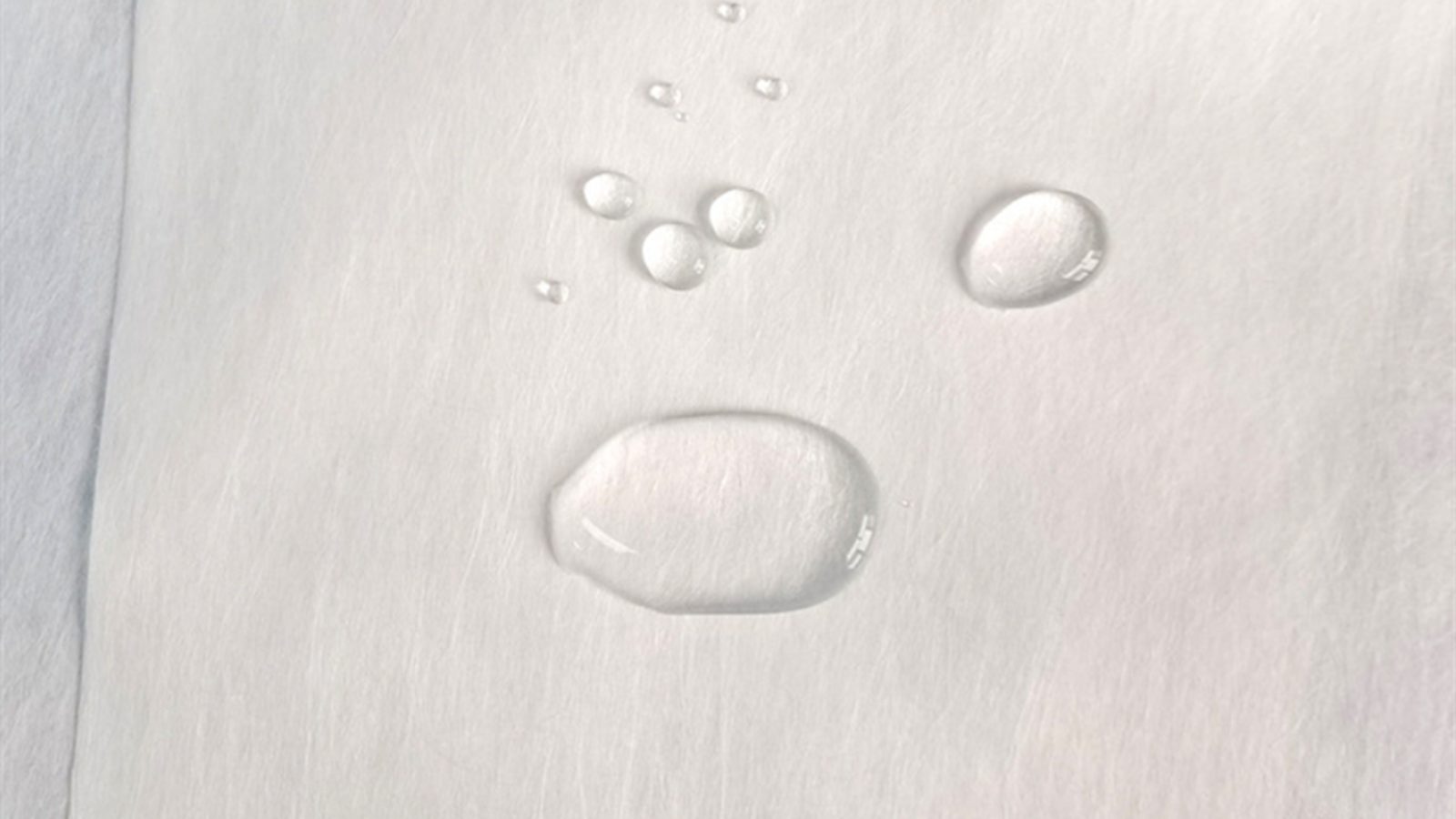
Laboratory. Tensile, absorbency, hydrostatic head or repellency, and gsm are tested against the method named in the order. Third party testing is commissioned when the destination or the tender requires it.
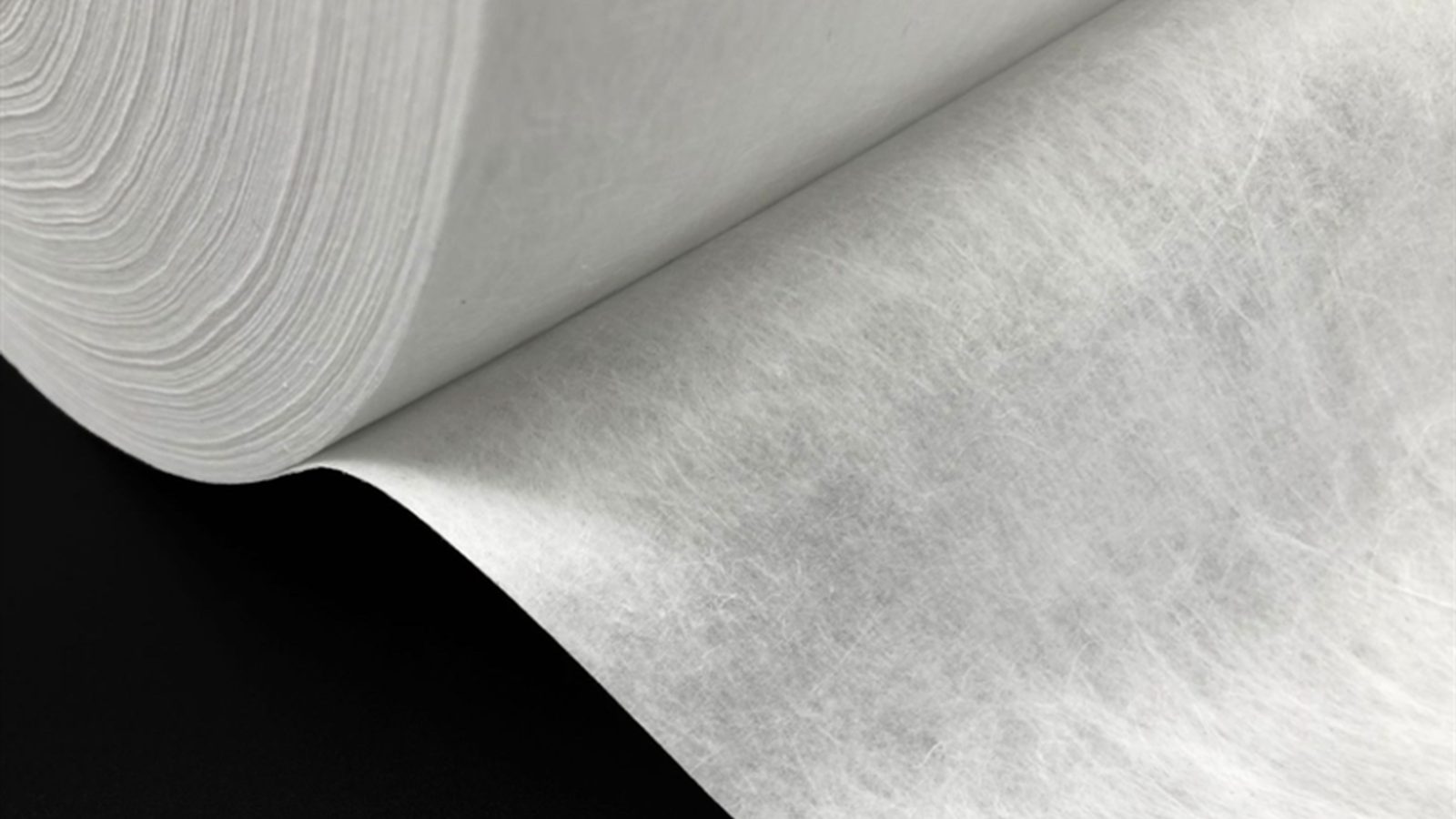
Finished goods. Roll build, splice count, labelling and packing are checked before the pallet is released.
The documents, and what each one proves
A COA is a statement about a batch. An MSDS describes a material and its handling, not its quality. An SGS report covers the samples tested on the day, for the methods listed. An ISO certificate covers a management system within a stated scope.
Buyers get into trouble when a tender asks for a document the supplier cannot issue for that grade. We say which documents apply to your order at quotation, so the paperwork is not discovered at the port.
What happens when something is wrong
Batch codes exist so that a complaint has an address. The roll label ties the fabric to a batch, the batch to an in line record and a retained sample. If a defect is confirmed, the batch is quarantined and the remaining rolls in it are checked before anything else ships.
Credit or replacement is agreed against the acceptance criteria in the order confirmation. That is the reason the criteria are written down first.
Audits and customer visits
Buyers audit the plant regularly, and we would rather they did. A visit is scheduled so the line making your grade is running on the day, and the batch records for your last shipment are pulled in advance.
Tell us the application and the acceptance test
The reply names a grade we can run, the tolerance we can hold and a lead time, or says plainly that we cannot make it.
Questions
Common questions
Can I get a COA with every batch?
Yes, on request, and it is standard for medical, wipes and tender orders. The COA states the measured values for the batch against the agreed specification, not a generic table.
Which certificates do you hold?
Documents are supplied on request, per order: the ISO management system certificate with its scope, SGS test reports for the grade that was tested, and an MSDS for each material. Ask for the current file before you rely on it in a tender, and check the scope covers the grade you are buying. We do not display certificates as badges, because a badge does not tell you which product it covers.
Do you test every roll?
Every roll is measured on line for weight and checked for build; full laboratory testing is per batch. If your acceptance requires a test per roll, say so at quotation, because it changes the cost and the schedule.
Who pays for third party testing?
For routine destination requirements it is part of the order. For a test the buyer wants beyond the agreed method, the buyer pays or it is agreed in advance.