Knowledge
Nonwoven fabric buying guides
Written for the person who has to sign off the specification. Each guide ends with the fields to put in an enquiry, not with a sales message.
-
 Spunlace vs spunbond: the differences that decide your order A property by property comparison of spunlace and spunbond nonwoven fabric: bonding, strength, absorbency, lint, cost and which one to specify. Read more
-
 How to specify spunlace fabric for wet wipes The eight fields that define a wipes fabric: fiber blend, gsm, width, pattern, wet strength, lint, roll spec and splice limit, with typical values. Read more
-
 What GSM means in nonwoven fabric GSM explained for nonwoven buyers: what it measures, how tolerance works, why two fabrics at the same gsm behave differently, and how to pick a weight Read more
-
 SMS vs SMMS: structure and what it buys How SMS and SMMS structures differ, what the extra meltblown layer buys, and how to specify barrier performance against a named test method. Read more
-
 What to include in a nonwoven fabric RFQ A field by field RFQ checklist for nonwoven fabric buyers, with the items that change price, the items that change lead time and the items that preven Read more
-
 Selecting UV stabilised nonwoven fabric for agriculture How UV stabilisation, weight, colour and installation decide the service life of agricultural nonwoven covers, and what evidence to demand from a supp Read more
-
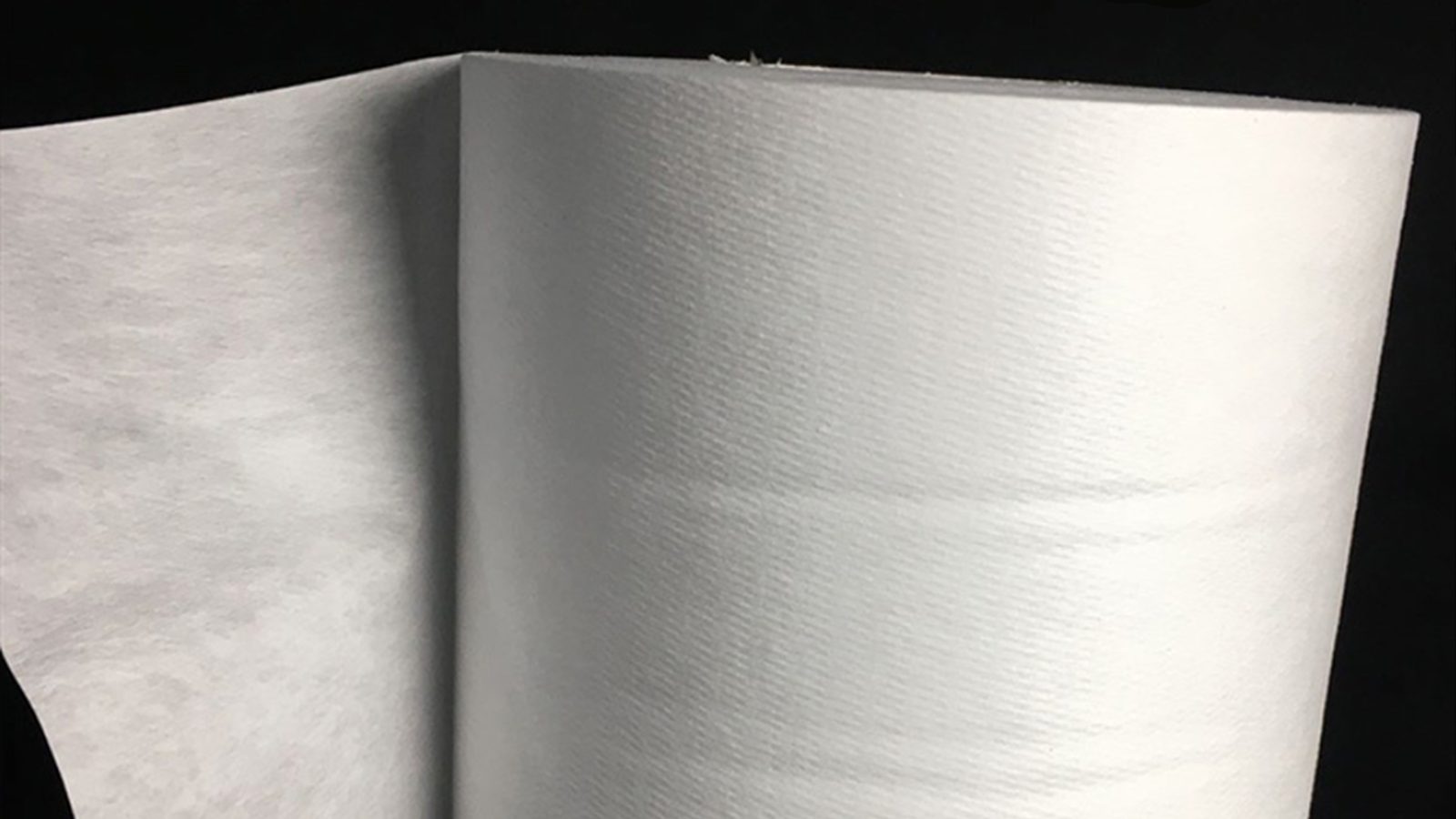 How do I choose the right gsm for my application? A working method for picking weight: start from the load and the liquid, then check opacity, tensile and cost. Typical weight bands by application. Read more
- What fabric are wet wipes actually made of? Spunlace dominates wet wipes, but fibre blend, weight and texture decide performance. What to specify and what the alternatives cost. Read more
-
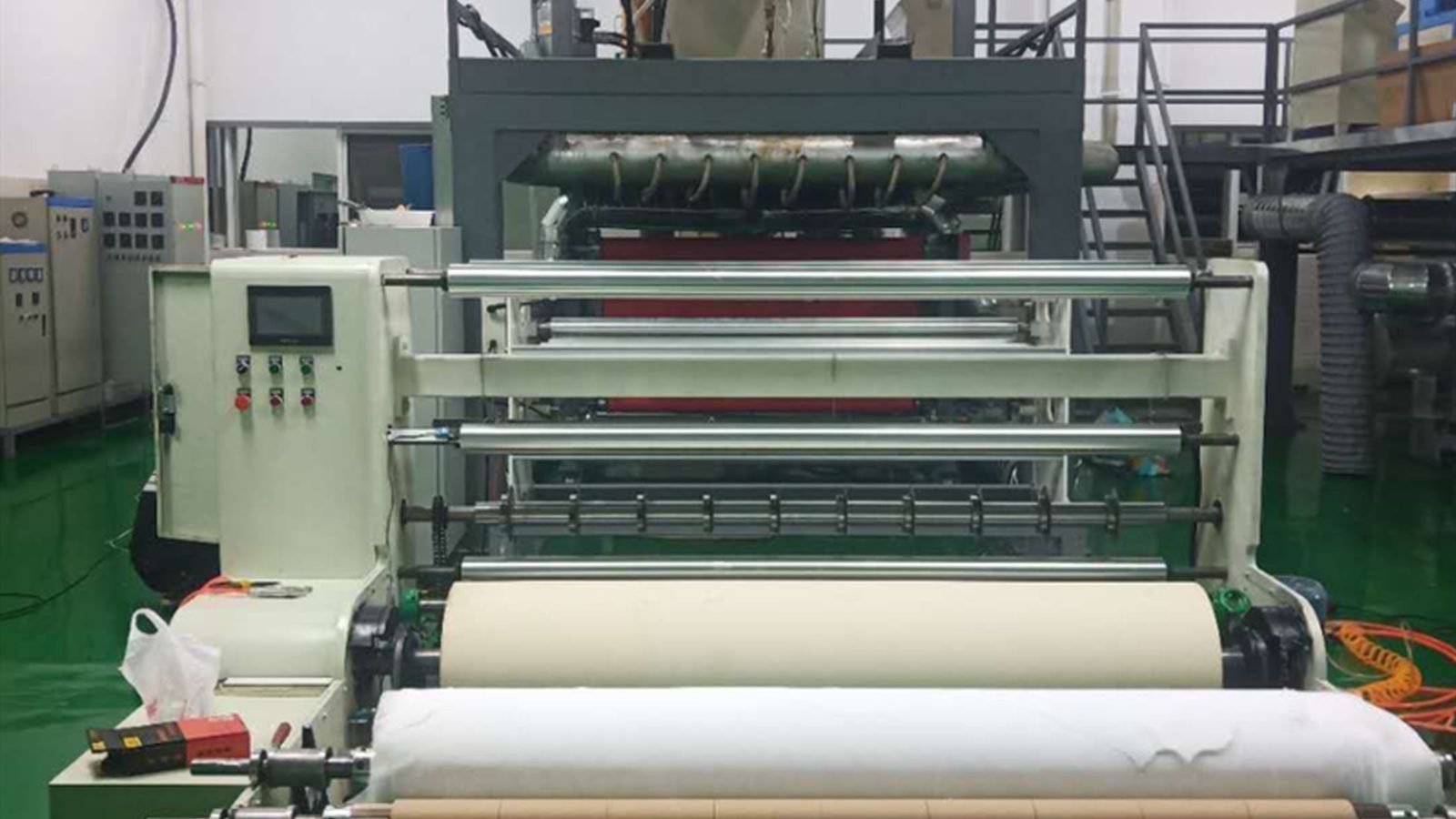 Is SMS fabric breathable or waterproof? SMS keeps air moving while blocking liquid. What hydrostatic head and air permeability mean together, and where SMS stops being breathable. Read more
- What does hydrostatic head actually measure? How hydrostatic head is measured, what 60, 90 and 150 mm mean in practice, and how to write the requirement so suppliers answer the same question. Read more
- What does a hydrophilic finish do? Hydrophilic finishes make polypropylene wet out. What changes, what it costs, and how to specify durability instead of a one-off lab result. Read more
-
 Why does print peel off some nonwoven and not others? Surface energy, dyne levels and why print and adhesive fail on untreated polypropylene. What to specify and how to test. Read more
- How are nonwovens laminated, and which method should I choose? Three ways to combine nonwoven with film or nonwoven, what each costs, and which one keeps breathability and hand feel. Read more
- Can nonwoven be printed, and how does it change the fabric? Which print methods work on nonwoven, what resolution and coverage to expect, and how print changes breathability and hand feel. Read more
- How is nonwoven coloured, and can I match a specific shade? How nonwoven gets its colour, why lot to lot variation happens, and what to write in the specification for white, blue and green grades. Read more
- Can nonwoven be made with recycled polypropylene? What recycled PP changes in strength, colour and compliance, and how to specify recycled content without breaking the product. Read more
- Is biodegradable nonwoven really biodegradable? Which nonwovens actually biodegrade, what PLA needs to break down, and why compostable claims fail in landfill. Read more
- How long can nonwoven rolls be stored? What degrades in storage, how humidity and light change performance, and the storage rules that keep a finished roll inside specification. Read more
- Why does white nonwoven fabric turn yellow in storage? Causes of yellowing in white nonwoven: oxidation, light, packaging and contamination, and how to diagnose which one you have. Read more
- Why does my nonwoven shed lint? Why some nonwovens shed fibre and others do not, how shedding is measured, and what to specify for cleanroom, printing and medical use. Read more
- What is the difference between absorbency rate and capacity? Two numbers buyers confuse: how fast a web takes liquid and how much it holds. Why a fast web can be the wrong choice. Read more
-
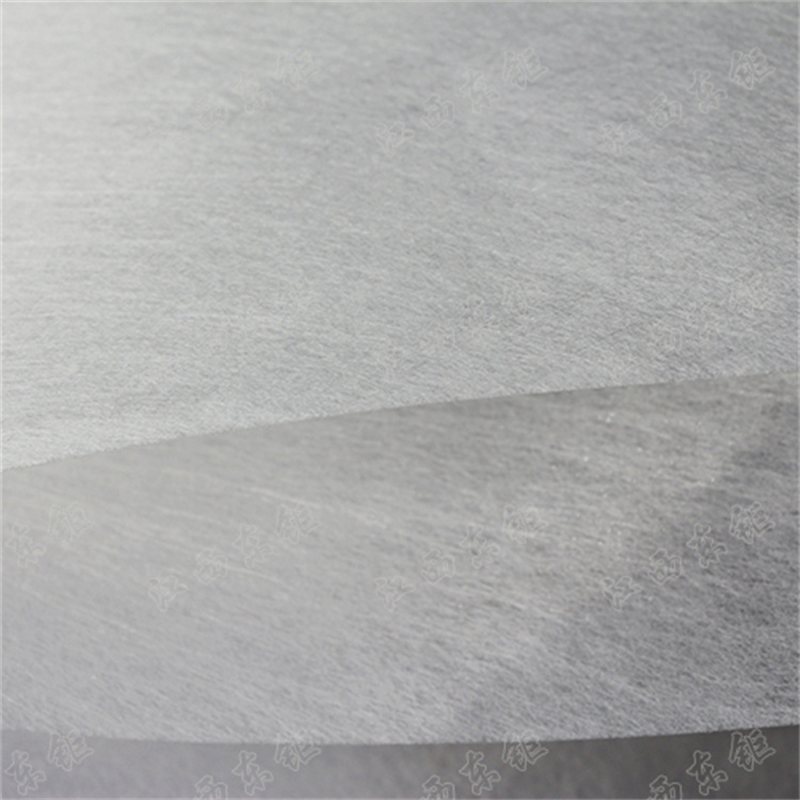 Can softness be measured, or is it just opinion? Softness is three properties: bending, compression and surface friction. Handle-o-meter, ring and compression tests explained. Read more
- Why does my nonwoven build up static? Static in nonwoven converting: why it happens, what antistatic additives do, and how they affect food contact and print. Read more
- Can nonwoven be made flame retardant? How FR nonwoven works, which standards apply, and why an FR additive changes strength, colour and cost. Read more
-
 What are the layers in a medical face mask? Three layers, three jobs: spunbond outer, meltblown filter, soft inner. What each layer contributes and what the standard measures. Read more
- How many nonwoven layers are in a diaper? Top sheet, acquisition layer, core wrap, back sheet and side panels: which nonwoven each uses and why the weights differ. Read more
Start where your problem is
If you are choosing between processes, start with the comparison guide. If you already know the process and need to write a spec, go to the GSM guide or the RFQ checklist. If a field or audit failure sent you here, the UV and barrier guides cover the evidence question rather than the material question.
Where to go for the technical detail
The articles here are the buying guides. Deeper technical and supply material sits in Resources: process comparison, parameter definitions, finishing, sampling, inspection and testing. Compliance documents, including REACH, OEKO-TEX and the EN medical standards, are explained in Compliance.
Need an answer for your own grade?
Send the application and the property that decides acceptance. We answer with the grade and the data behind it.