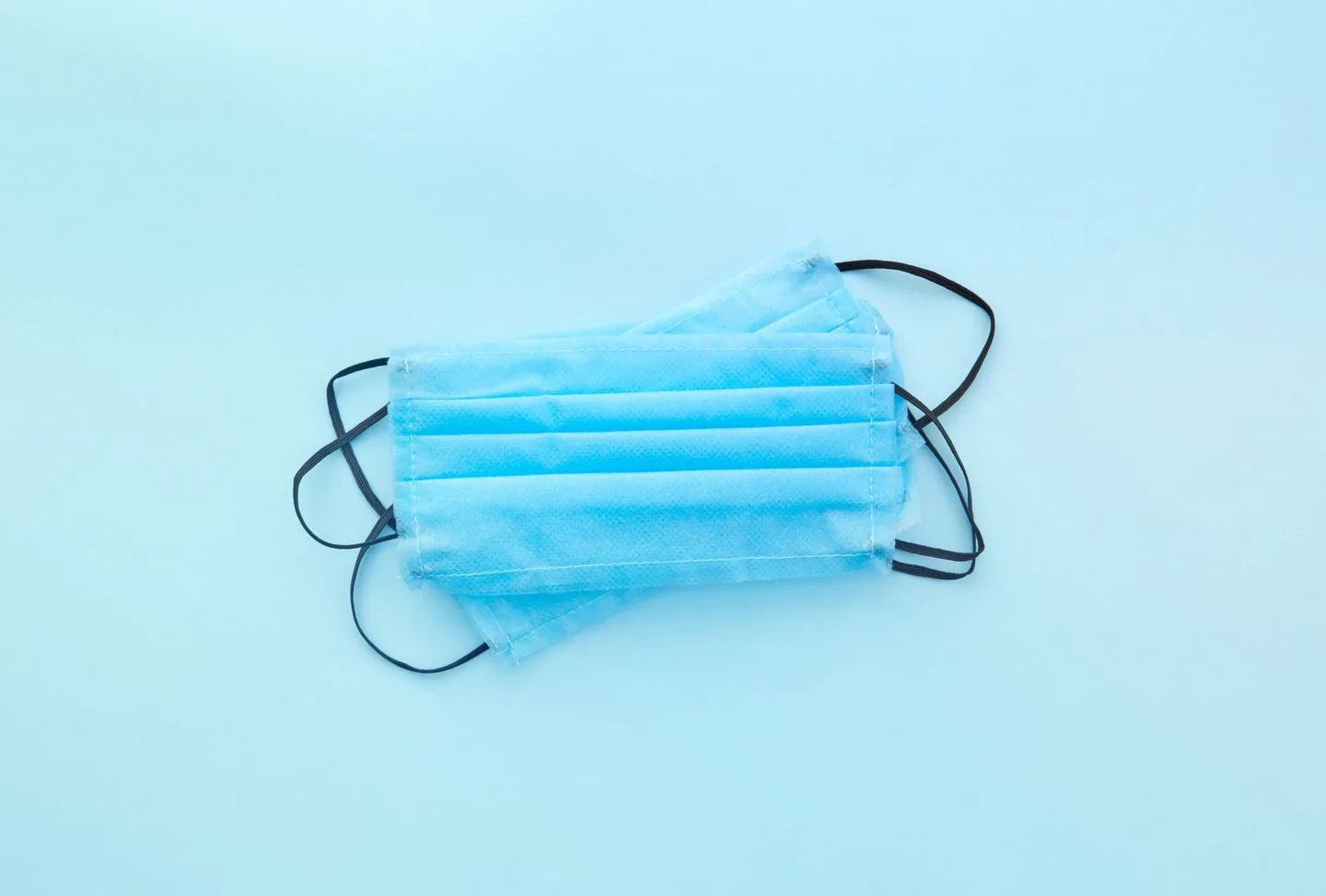
Standards
Medical grade vs hygiene grade: the difference that matters
The fabric can be identical and the product still not be medical. What separates the two is the standard the finished article must meet, and the documentation that proves it batch by batch.
At a glance
Specification at a glance
| Aspect | Hygiene grade | Medical grade |
|---|---|---|
| Governing standard | Buyer specification, market general rules | EN 13795 for drapes and gowns, EN 14683 for masks, national equivalents |
| Barrier performance | Defined by the buyer | Tested resistance to penetration, defined classes |
| Cleanliness | Visual and weight checks | Microbial cleanliness, particle release limits |
| Documentation | COA, packing list | COA plus test reports, declarations, traceability to batch |
| Change control | Buyer agreement | Formal change notification before production |
| Audit | Optional | Routine, including third party audits |
The standard applies to the article, not the roll
There is no such thing as certified medical fabric in isolation. EN 13795 covers surgical drapes, gowns and clean air suits as finished products, including the converting, sterilisation and packaging. A fabric supplier can provide material that a converter uses to meet the standard; the supplier cannot certify the drape.
That distinction decides who owns the claim. If the buyer converts and sterilises, the buyer owns it, and the honest supplier documents the material rather than implying the finished article is covered.
What changes on the supply side
Four practical changes: the specification is locked and changes are notified rather than made, test reports are issued per batch against the named methods, traceability runs from fibre lot to roll label, and audits are expected rather than resisted.
Cost rises accordingly. A medical programme pays for documentation and for the discipline that keeps a batch traceable years later.
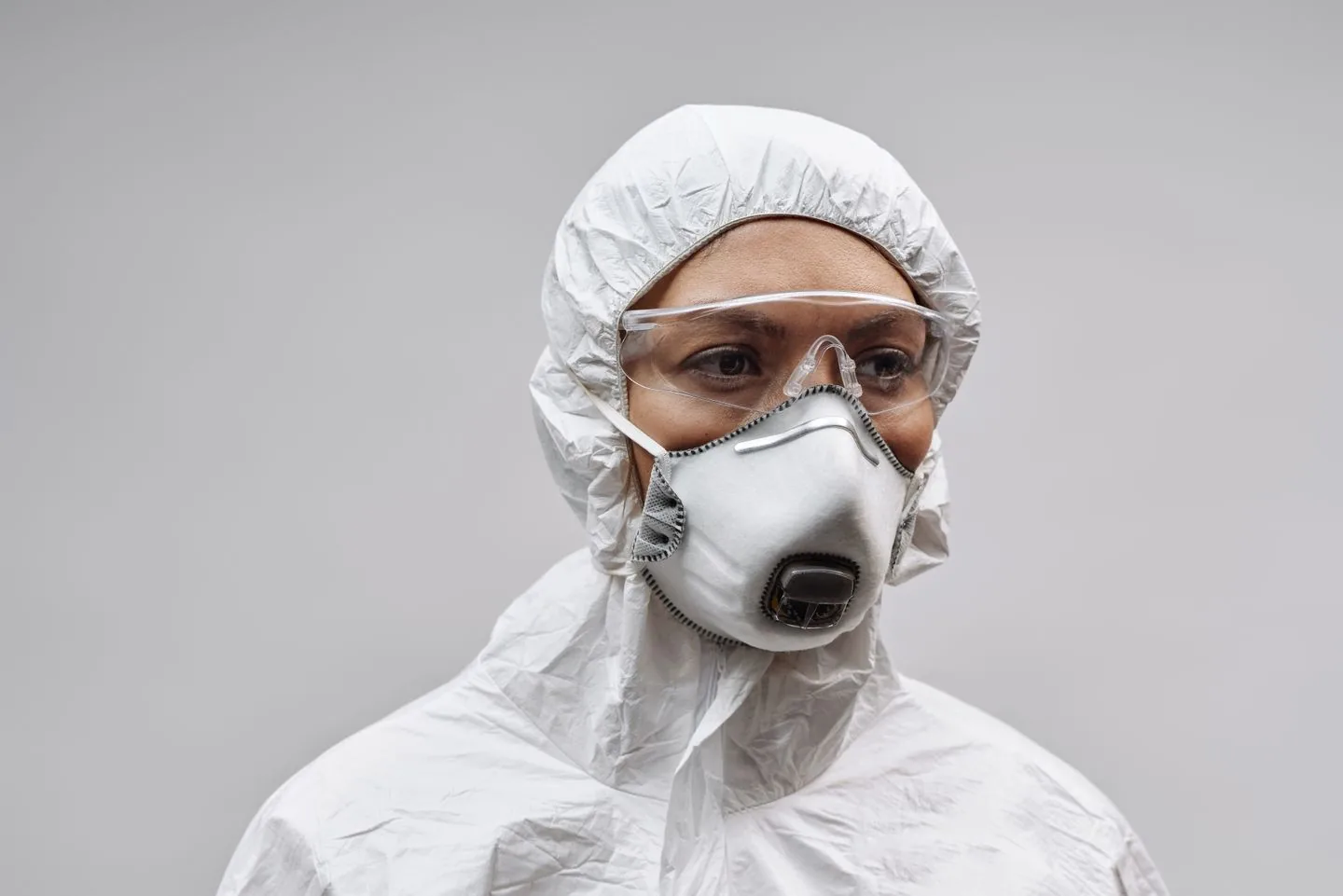
Where hygiene grade is the right answer
Diapers, sanitary products, wipes, protective covers and most personal care articles are hygiene products. They need consistency, cleanliness and documentation, but they are not medical devices and should not be sold with medical claims. The marketing temptation to say medical grade without the standard is the fastest way to lose a tender.
The audit questions that decide a tender
Can you trace this roll to a fibre lot, can you show the test report for the batch, and can you confirm nothing about the grade changed since the last delivery. Those three questions appear in almost every medical customer audit, and a supplier who answers them without a week of searching is worth more than a cheaper quotation.
Change control is the one most often missed. A finish adjusted for a supply reason, without notification, breaks the customer's validation even when the fabric is better.
Where the line sits between the two
A hygiene product becomes medical when it is marketed for a clinical purpose and must meet a medical standard. The fabric does not decide that; the claim does. Buyers should decide which one they are building before the first sample, because the documentation, the change control and the audit burden all follow from that decision.
Tell us the application and the acceptance test
The reply names a grade we can run, the tolerance we can hold and a lead time, or says plainly that we cannot make it.
Questions
Common questions
Can you supply fabric for EN 13795 products?
Yes, with the material test data the converter needs, and the documentation pack per batch. The standard certification belongs to the finished article, which the converter holds.
Is ISO 13485 required?
For the manufacturer of a medical device, in most markets yes. Ask which quality system certificate covers the site and read its scope before relying on it.
Do you provide sterilisation-compatible fabric?
The material can be compatible with common sterilisation methods, but compatibility is proven on the finished pack. Test it with your sterilisation partner before committing to a claim.