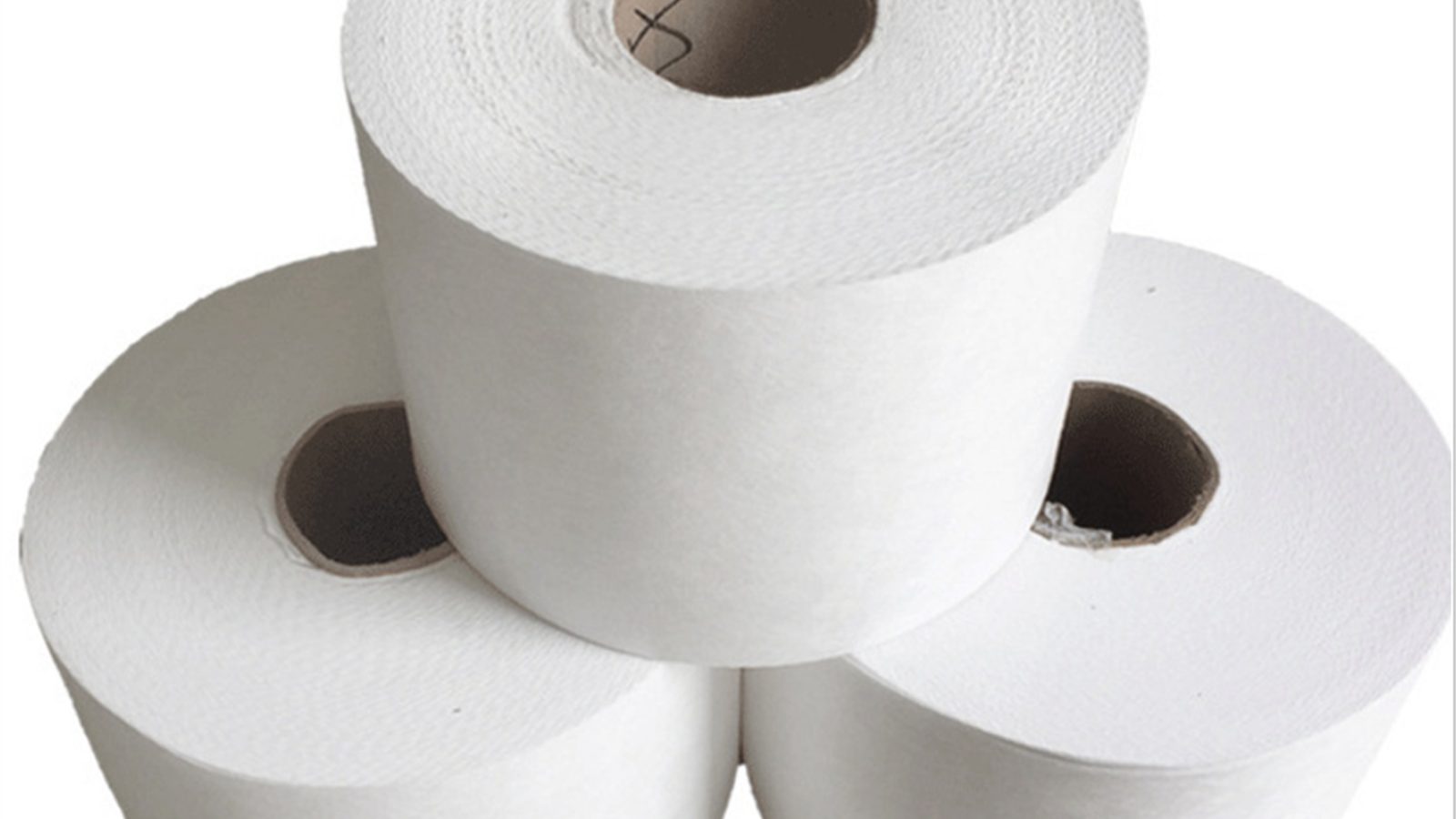
PP spunbond nonwoven fabric for B2B applications
Spunbond is made by spinning continuous filaments and bonding them into a web. It is the cheapest way to get strength per square metre, which is why it carries hygiene, packaging and agricultural products.
At a glance
Specification at a glance
| Parameter | Range offered for quotation | Confirm at enquiry |
|---|---|---|
| Structure | S, SS and SMS related structures | Which structure runs on which line |
| Basis weight | Light to heavy hygiene and agricultural weights | Range for the target weight |
| Width | Slit from 2.4 m and 3.2 m parent rolls | Slit plan |
| Colour | White plus masterbatch colours | Colour match and minimum run |
| Surface | Plain and embossed dot patterns | Pattern depth |
| Treatment | Hydrophilic or hydrophobic finishing | Target strike through or repellency |
S, SS and SMS: what the extra S buys
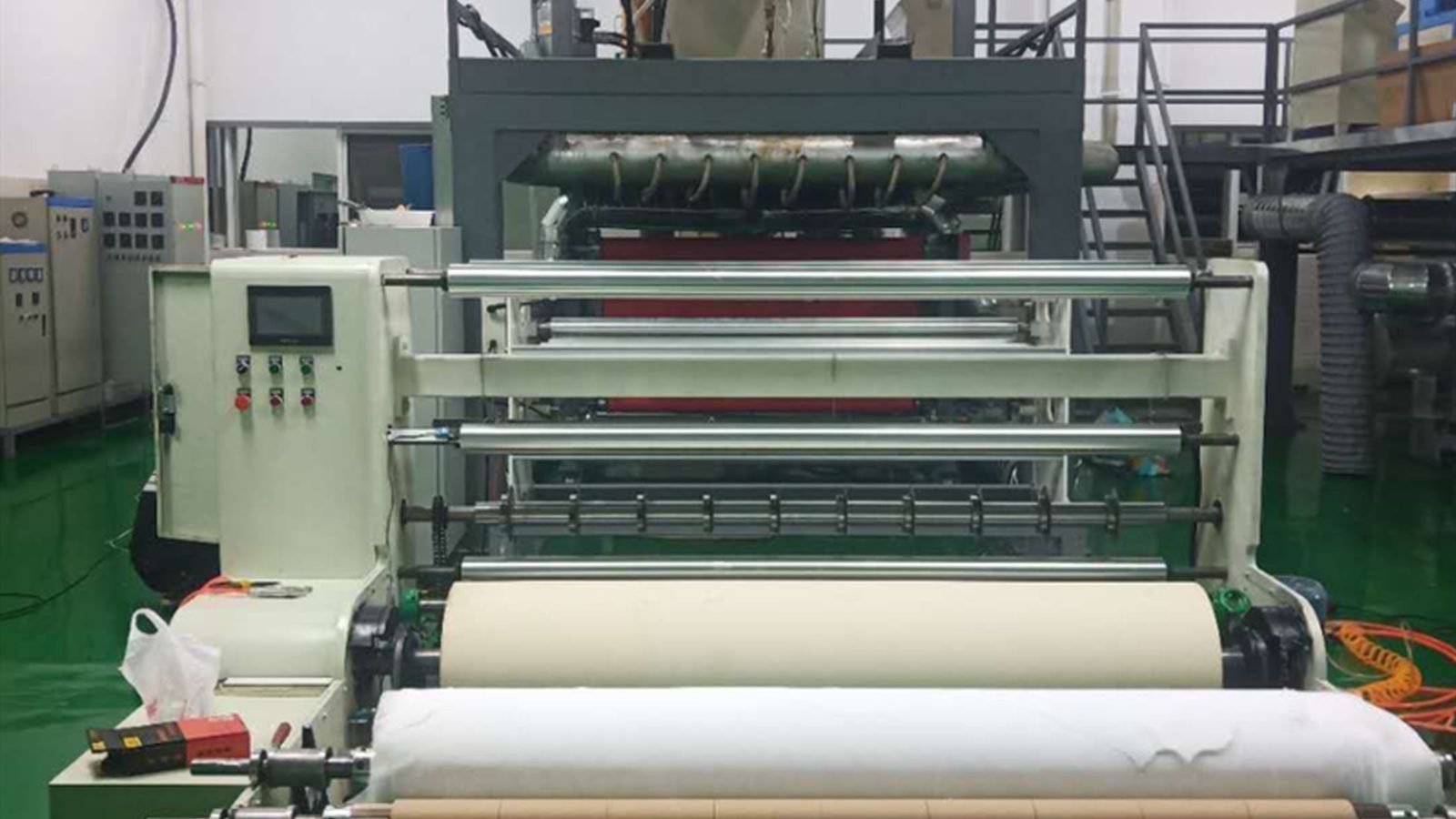
Each additional spunbond layer raises strength and puncture resistance for the same weight, and changes the drape. A single S layer suits light packaging and agricultural covers. SS and SMS suit hygiene products where the fabric must survive high speed converting without tearing.
Ask for the structure, not just the weight. Two 30 gsm fabrics with different layer counts are not interchangeable on a high speed line.
Hydrophilic and hydrophobic finishing
Hygiene buyers usually need one side to pass liquid quickly and the other to resist it. That is a finishing question, and it is measured by strike through time and runoff rather than by a visual check.
Tell us which side faces the skin and what liquid the product must handle. A finish that suits a baby diaper topsheet behaves differently from one for an adult incontinence product.
Agricultural grades and UV
Agricultural covers are a different specification family. UV stabilisation, colour and expected outdoor life are set by the climate, the crop and the installation method. Service life claims must come from an ageing test, not from the additive percentage alone.
Read the agricultural application page before you order a UV grade, because most failures there are specification failures rather than manufacturing ones.
Grades in this range
The weights below are the ones quoted most often. Each has its own test values and its own failure modes, so the grade is chosen against the converting line and the end use, not against the price per tonne.
- 15 gsm spunbond - 15 gsm spunbond covers the most area per kilogram of any grade we quote. It is chosen when.
- 20 gsm spunbond - 20 gsm is the grade most hygiene laminates are built on: light enough for coverage, strong.
- 25 gsm spunbond - 25 gsm is the standard outer layer of a three-ply medical mask and the body of most dispos.
- 30 gsm spunbond - 30 gsm is the grade where spunbond becomes a structural fabric: mattress pocket springs, f.
- 40 gsm spunbond - 40 gsm is the heavy end of standard spunbond: bags that carry weight, separator layers und.
Send the structure and the weight
S or SS, gsm, width, colour and application are enough to start. We will confirm what the line can hold.
Questions
Common questions
What is the difference between spunbond and spunlace?
Spunbond bonds continuous filaments thermally, spunlace entangles staple fibres with water jets. Spunbond is stronger per gram, spunlace is softer and more absorbent. Our knowledge page compares the two property by property.
Can you match a Pantone colour?
Colour matching is possible with masterbatch, subject to a minimum run. Send the reference and we will confirm the closest achievable shade.
Do you supply laminated spunbond?
Lamination with film or another nonwoven is quoted per structure after a technical check.
Is the fabric printable?
Yes. Printing is done downstream and quoted with the finished requirement, because the ink system is chosen for the end use.