
Material comparison
SMS vs SMMS: structure and what it buys
SMS is spunbond, meltblown, spunbond. SMMS adds a second meltblown layer. The extra layer buys barrier, and costs breathability and money. Choosing between them is a specification exercise.
At a glance
Specification at a glance
| Structure | Barrier | Breathability | Cost | Typical use |
|---|---|---|---|---|
| SMS | Moderate to high | Good | Baseline | Hygiene, light medical, protective wear |
| SMMS | High | Lower | Higher | Higher barrier medical, surgical use |
| SMMMS | Very high | Low | Highest | Specialist barrier products |
What each layer does
The spunbond layers carry strength, abrasion resistance and the surface the product is built on. The meltblown layer or layers carry the barrier, because fine fibres create a tortuous path for liquid and particles.
More meltblown means more barrier at the same total weight, and less air movement through the sheet. That trade is the whole decision.
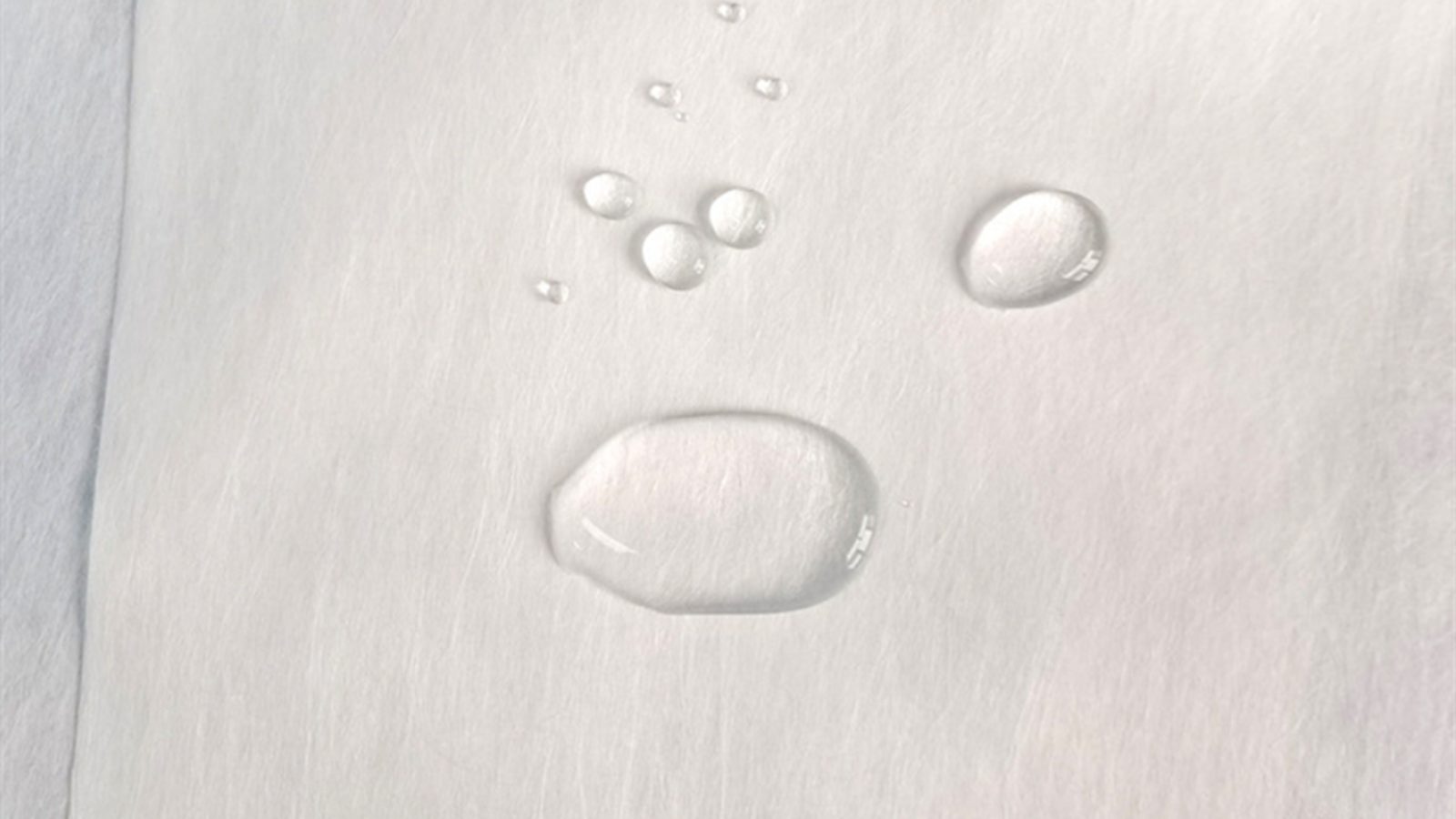
Why the test method decides the answer
Hydrostatic head, synthetic blood penetration, bacterial filtration and particle filtration are different tests measuring different things. A fabric that passes one does not automatically pass another, and a pass level quoted without a method cannot be compared with anything.
Write the standard and the method into the specification. If your buyer or your regulator names a standard, that standard is the specification.
Comfort and the end user
Barrier fabrics are worn or handled by people. Higher barrier usually means lower breathability, and lower breathability over a shift is a comfort and compliance problem, not a technical detail. For protective clothing, the specification conversation should include how long the garment is worn.
For hygiene products the equivalent question is strike through and rewet: does the structure move liquid away fast enough to keep the surface feeling dry.
When SMS is enough
If your test passes on SMS at an acceptable weight, SMMS is money spent on a property you are not measuring. Ask for both options priced against the same test and let the data choose.
If the test only passes on SMMS, the decision is made and the only remaining question is which total weight reaches the level most economically.
Send the standard with the requirement
With the test method and the pass level we can tell you whether SMS or SMMS is the economical answer.
Questions
Common questions
Is SMMS stronger than SMS?
Usually similar in tensile if the spunbond layers are unchanged; the difference is barrier and breathability.
Can SMS be sterilised?
Sterilisation compatibility depends on the method and the device. The device manufacturer validates that, not the fabric supplier.
What is the difference between hydrostatic head and blood penetration?
They measure different challenges: water pressure versus a biological fluid under defined conditions. Passing one does not imply the other.