Application
Selecting UV stabilised nonwoven fabric for agriculture
Agricultural covers are the one nonwoven product where the buyer's question is about time: how many seasons will this last. Answering it needs a test, not an adjective.
At a glance
Specification at a glance
| Factor | Effect on service life | What to specify |
|---|---|---|
| UV package | Primary driver | Additive type and level, with test |
| Weight | Wind and abrasion resistance | GSM suited to the exposure |
| Colour | Light and heat transmission | White, black or green by purpose |
| Permeability | Condensation and disease risk | Air and water movement |
| Installation | Point loading at fixings | Tension and fixing method |
| Storage | Degradation before use | Shaded, dry, off the ground |
What UV stabilisation actually does
Polypropylene degrades under ultraviolet light. Stabilisers slow that degradation by intercepting the chemistry that breaks the polymer chain. How long they succeed depends on the additive package, the film or fibre thickness, the climate and the mechanical stress the sheet carries.
This is why a percentage of additive is not a service life. Two grades with the same additive level can differ by a season because one is handled roughly at installation.
The evidence to ask for
Ask for the accelerated ageing method, the irradiation level, the property measured after ageing and the retention threshold. A useful answer reads like this: tensile retained above a stated percentage after a stated exposure in a stated test.
An answer that reads long life or multi season is not evidence. It is a marketing word, and it will not help you when a grower claims a lost crop.
Installation decides as much as the fabric
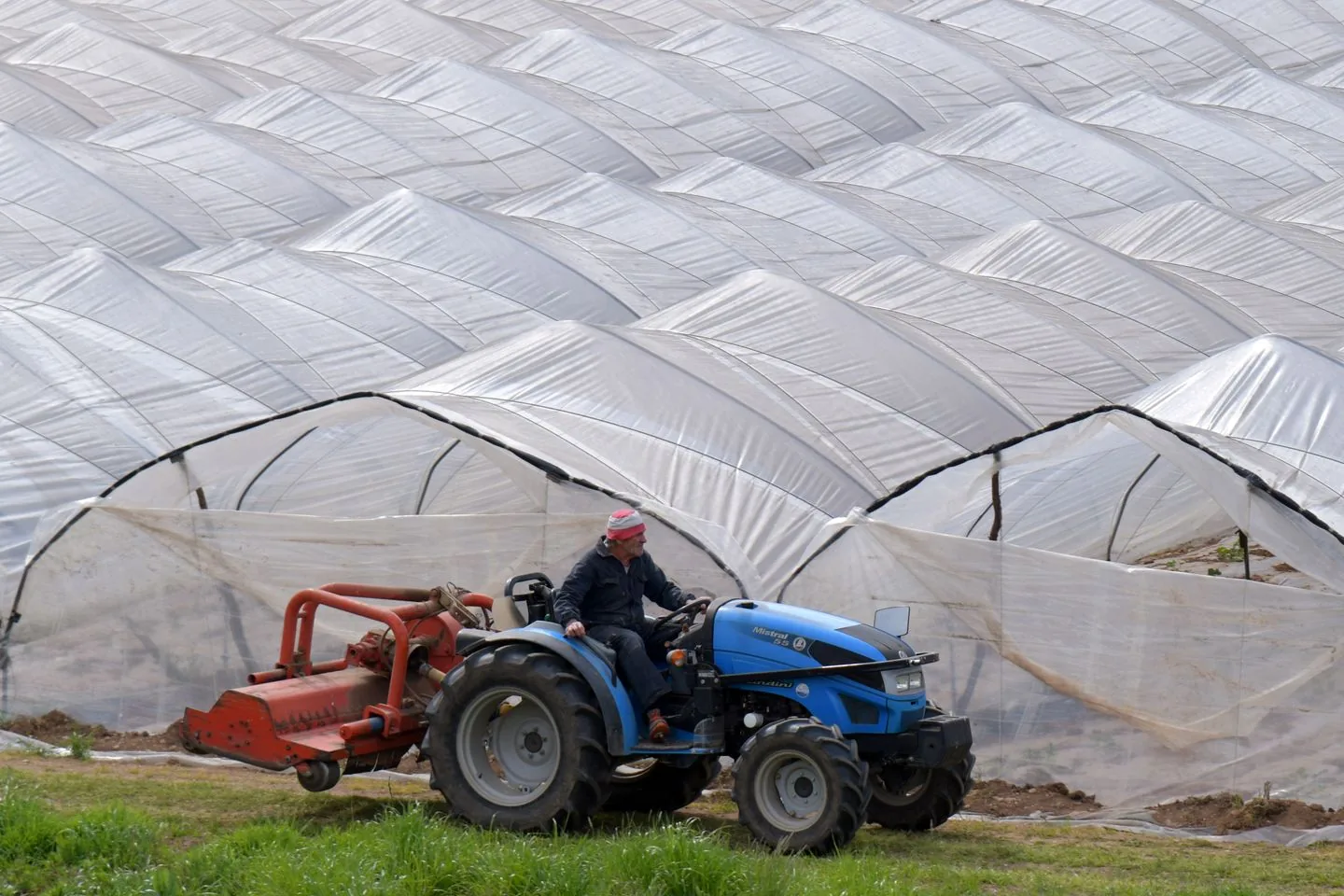
Covers fail at fixings, edges and abrasion points. Sharp wire, over tensioning and reusing the same fixing hole all shorten life regardless of the additive package. In windy sites, a heavier sheet with correct tensioning usually outperforms a lighter, better stabilised sheet that flaps.
Write the fixing method into the order discussion. It is the cheapest life extension available.
Choosing weight and colour
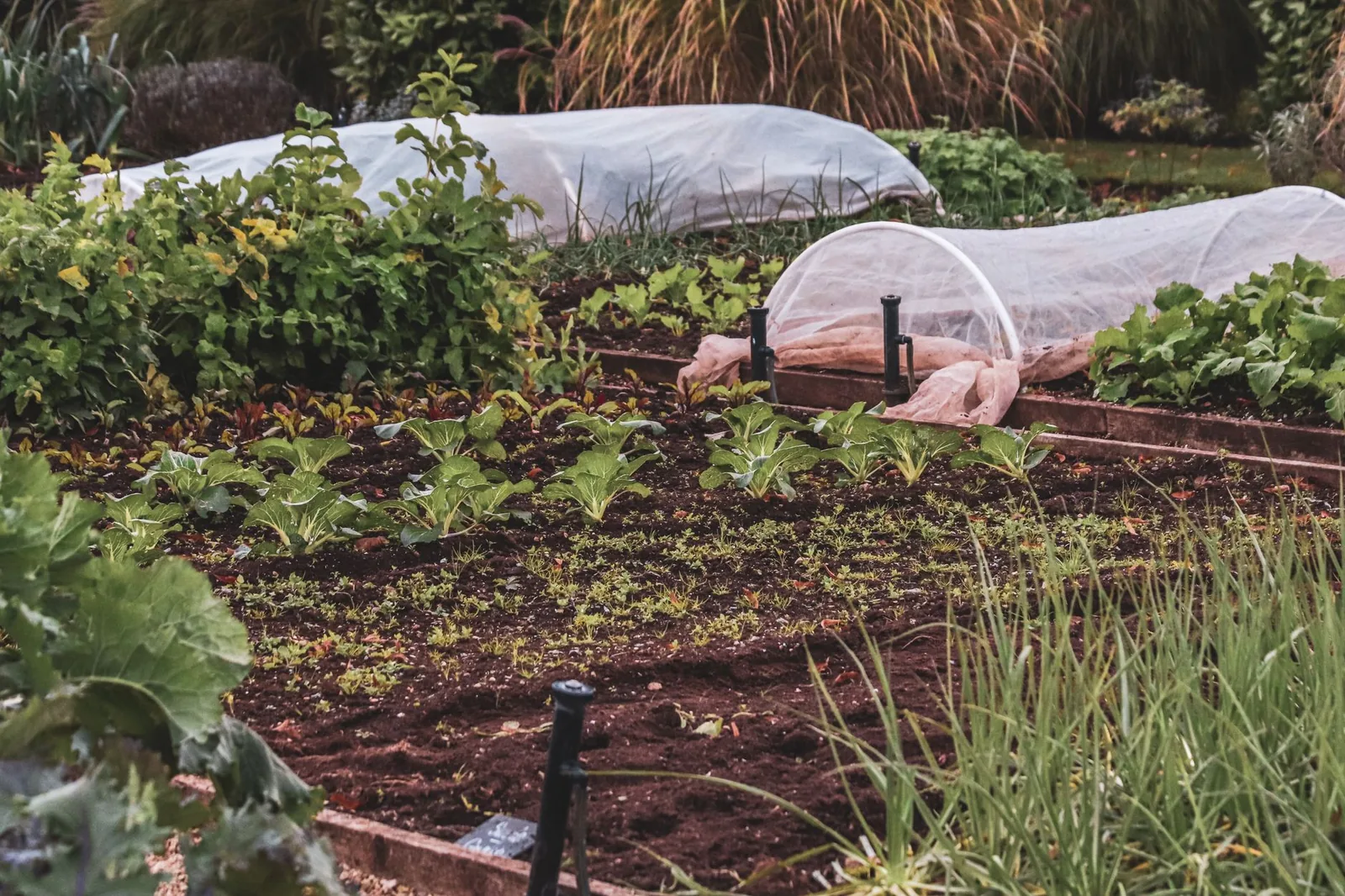
White covers transmit light and raise temperature, black suppresses weeds, green balances both. Weight follows the exposure and the installation: direct on crop needs a lighter sheet, hoop supported can take heavier.
Ask for the weights available for the width you need, then choose the lightest sheet that meets the wind and abrasion requirement. Extra weight costs money on every hectare.
Planning an agricultural order?
Send the crop, climate, field size and fixing method. We will propose a weight and the ageing evidence available.
Questions
Common questions
How many seasons will a cover last?
It depends on the UV package, the climate and the installation. Ask for ageing data and plan a conservative replacement cycle rather than trusting a claim.
Is black fabric UV stabilised too?
Carbon black can contribute to UV resistance, but the package still has to be specified. Do not assume colour equals protection.
Can covers be reused?
Often for a second season if removed carefully, stored dry and out of sunlight. The ageing test tells you the risk.
What weight for a hoop tunnel?
Heavier than a direct cover, because the hoop contact points create abrasion. Send the structure and the wind exposure.