Technical education
What GSM means in nonwoven fabric
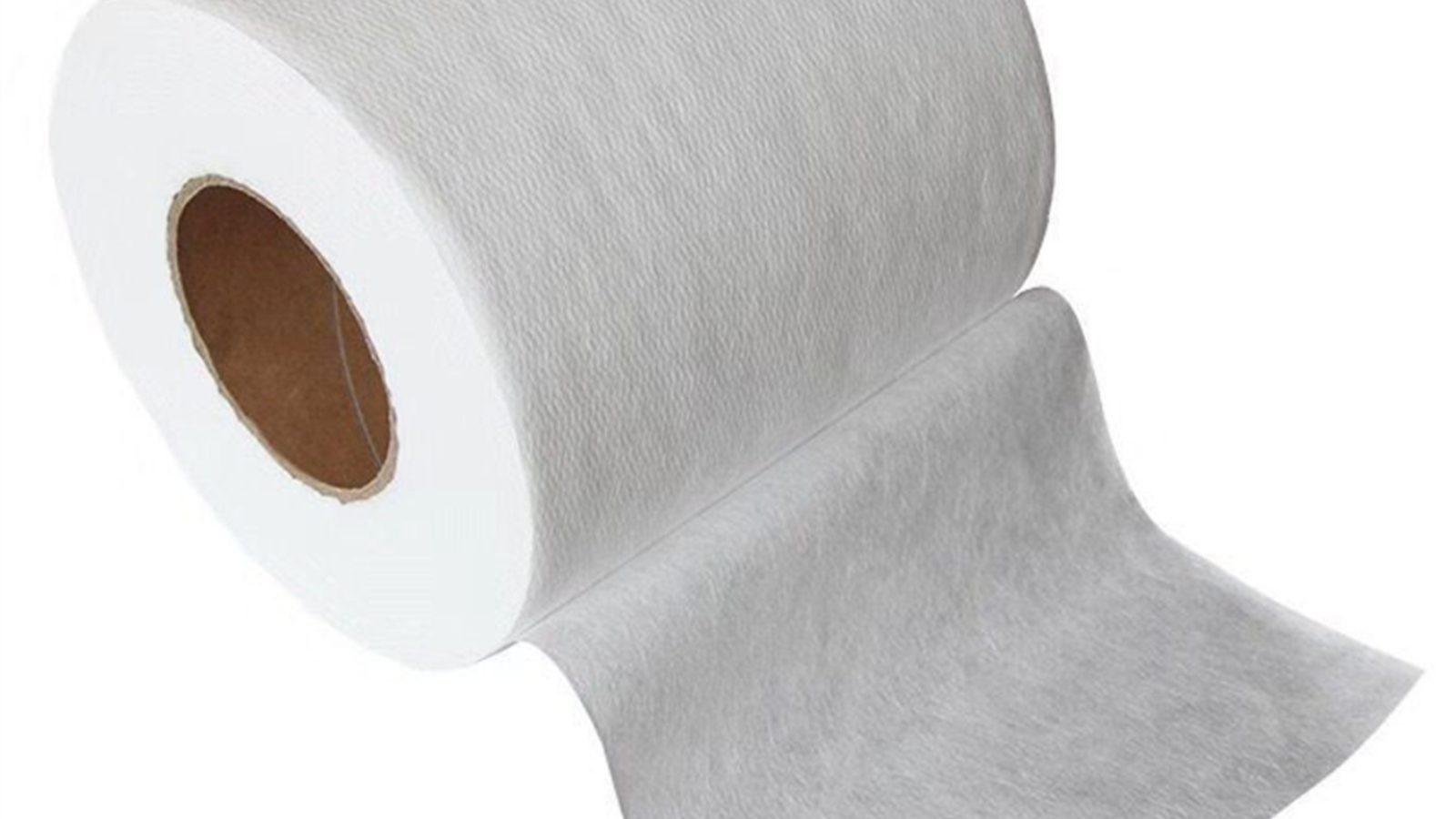
GSM is grams per square metre. It is the single most quoted number in a nonwoven enquiry and the least understood, because it describes weight and buyers think it describes performance.
At a glance
Specification at a glance
| Application | Common weight band | Driven by |
|---|---|---|
| Baby and facial wipes | 40 to 70 gsm | Wipe size, lotion load, strength |
| Industrial wiping | 50 to 90 gsm | Solvent load, reusability |
| Hygiene topsheet | 15 to 25 gsm | Softness, strike through |
| SMS barrier | 30 to 60 gsm | Barrier test level |
| Agricultural cover | 17 to 60 gsm | Wind load, crop, season |
| Pocket spring cover | 40 to 80 gsm | Weld strength, machine fit |
What the number actually measures
GSM is mass per unit area. It says nothing directly about thickness, strength, softness or barrier. Two fabrics at 50 gsm can differ in thickness by a factor of two and in tensile strength by a factor of three, because GSM is a mass measurement and performance comes from structure.
That is why a supplier who answers a performance question with a weight has not answered the question.
Tolerance matters more than the target
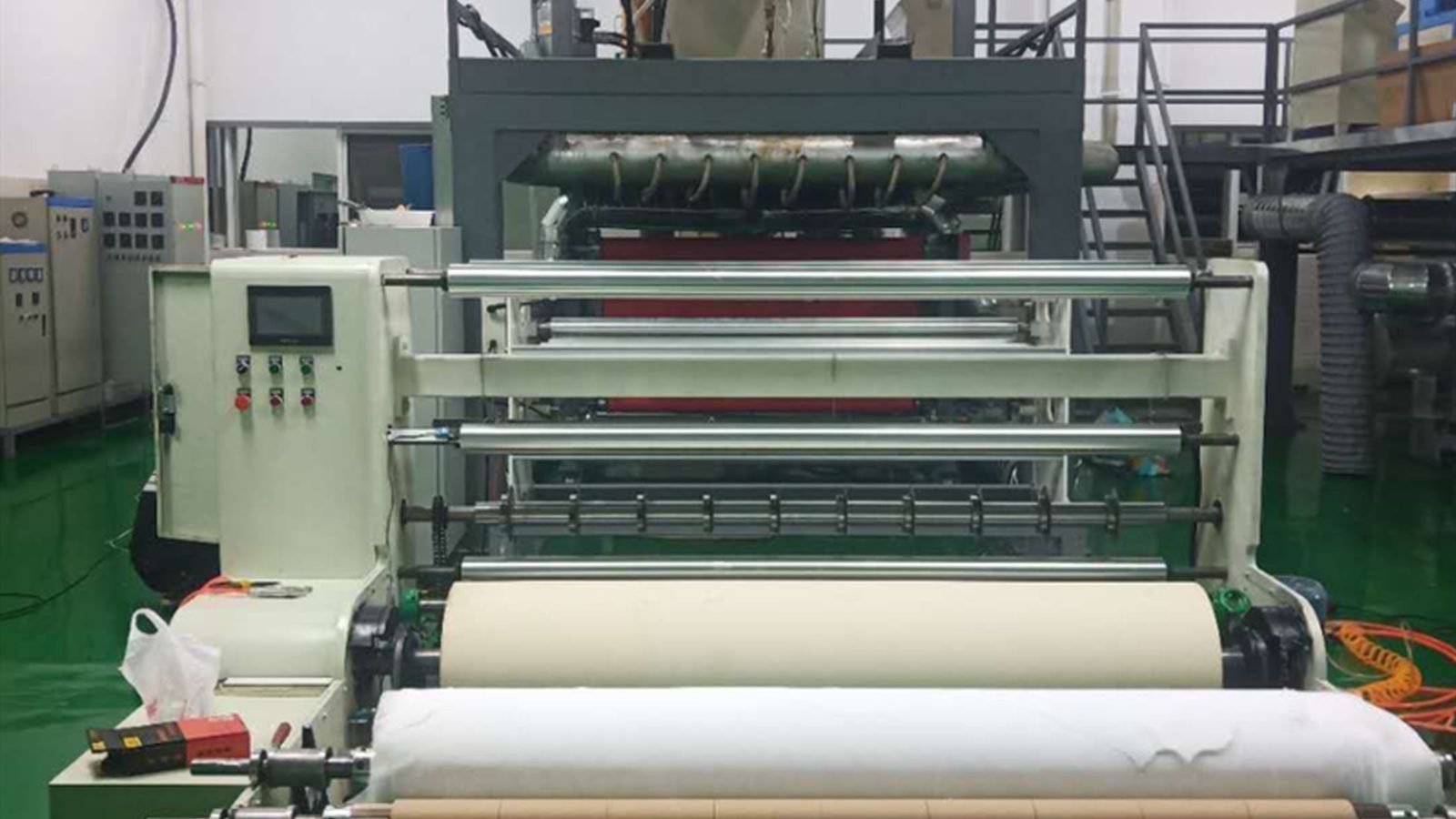
No line holds a weight perfectly. The commercial question is the band, not the number: plus or minus how much, measured how, over what width.
A 50 gsm fabric held at plus or minus 5 percent is a different product from the same fabric held at plus or minus 10 percent, and the price should reflect it. Write the tolerance into the order, because the delivered roll average is not the same as the local weight at any point across the width.
How to choose a weight
Work backwards from the failure mode. If the product tears when wet, raise weight or change blend. If it feels thin in the hand, raise weight or add a layer. If it is too stiff to fold, lower weight or change the bonding.
Do not start from the weight your previous supplier used. Start from the property that failed or the property that must pass, and let the weight follow. Suppliers see a lot of enquiries that specify a weight copied from a competitor's data sheet for a completely different product.
Weight and cost, honestly
Material cost scales roughly with weight, so a 20 percent weight reduction looks like a 20 percent saving. It is only a saving if the line still runs and the product still passes.
Run the trial at the lower weight before committing a programme to it. The roll that saves money and stops the line twice a shift is the most expensive roll in the warehouse.
Not sure which weight to specify?
Tell us the failure mode or the property that must pass and we will propose a band.
Questions
Common questions
Is higher gsm always stronger?
Not reliably. Structure and bonding decide tensile strength; weight only scales it once the structure is fixed.
How is gsm measured?
By weighing a known area, with the sample conditioned. Method and sample size should be in the specification, because a small die sample and a full width strip give different numbers.
Can gsm be measured on the roll?
It can be estimated from roll weight, width and length, but the accepted value comes from a measured sample, not from the roll label.
What tolerance is normal?
It depends on the process and the weight band. Ask what the line can hold for your grade and write that into the order confirmation.