Buying questions
Why does my nonwoven build up static?
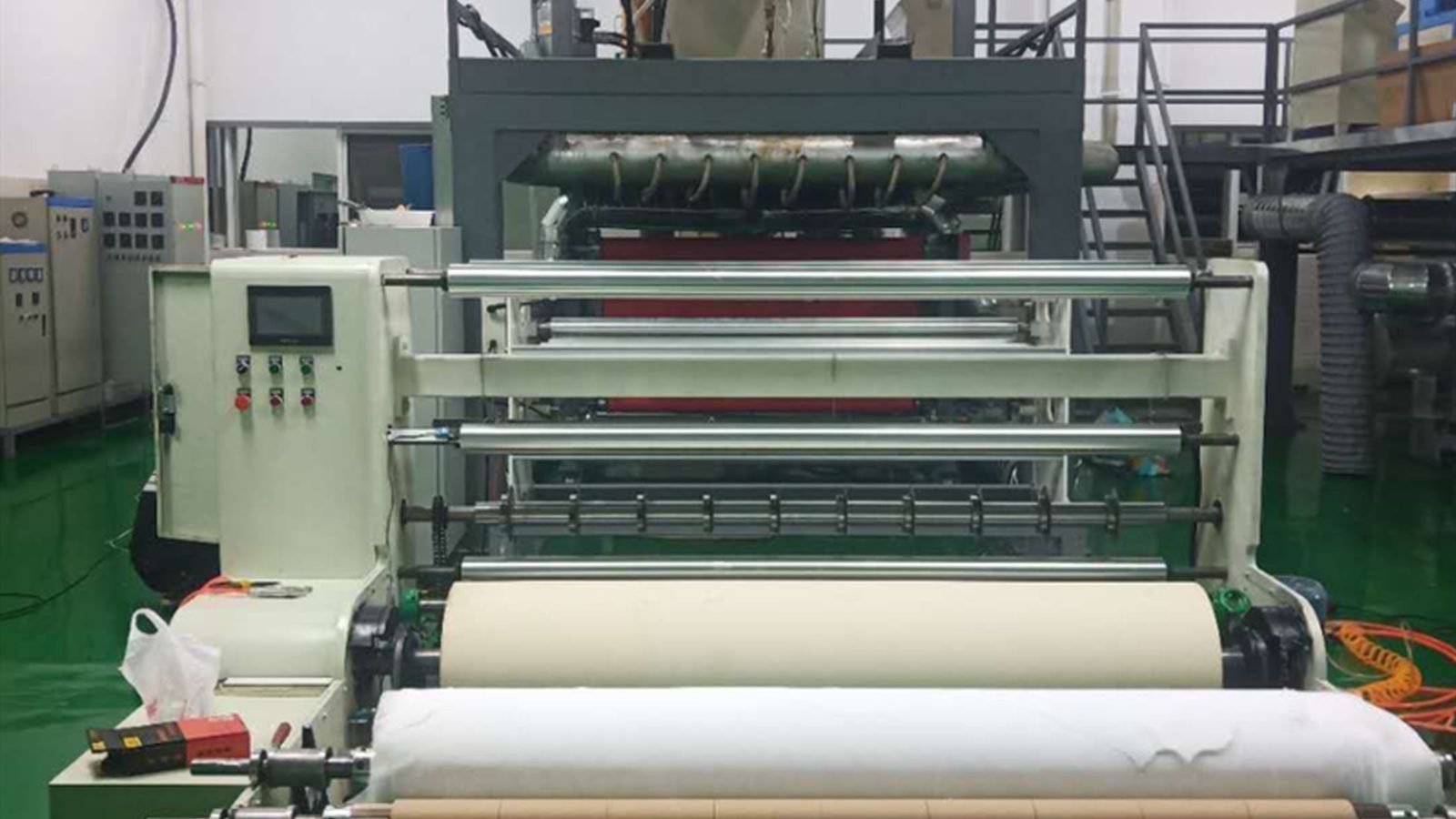
Polypropylene is an insulator. At low humidity, friction on a converting line generates charge that will not dissipate, causing web cling, dust attraction and shocks.
At a glance
Specification at a glance
| Approach | Effect | Note |
|---|---|---|
| Antistatic masterbatch | Internal, durable | Affects food contact declaration |
| Topical spray | Fast, temporary | Can interfere with print |
| Humidity control | Reduces generation | Cheapest first step |
| Ionising bars | Neutralises at line | Equipment, not fabric |
Fix the line before the fabric
Most static complaints are solved by raising relative humidity above 45 percent and adding ionising bars at the unwind. Changing the fabric is the expensive answer and often not the necessary one.
When the fabric has to change
If the product is used in a dust-sensitive area or near electronics, an internal antistatic additive is the durable answer. Check the food contact declaration, because many antistatic chemistries are not approved for direct contact.
Check the claim before it goes on the pack
Send the claim you want to make and the market it sells in. We reply with what the material can support and what it cannot.
Questions
Common questions
Does antistatic affect print?
Internal additives usually do not. Topical sprays can interfere with ink adhesion.
Is antistatic fabric food safe?
Only specific chemistries. Ask for the declaration for the grade, not for the family.
Can static be measured?
Yes, surface resistivity or charge decay. State the method and the limit if it matters.